Smokeless Stoves: The Simalaj Family

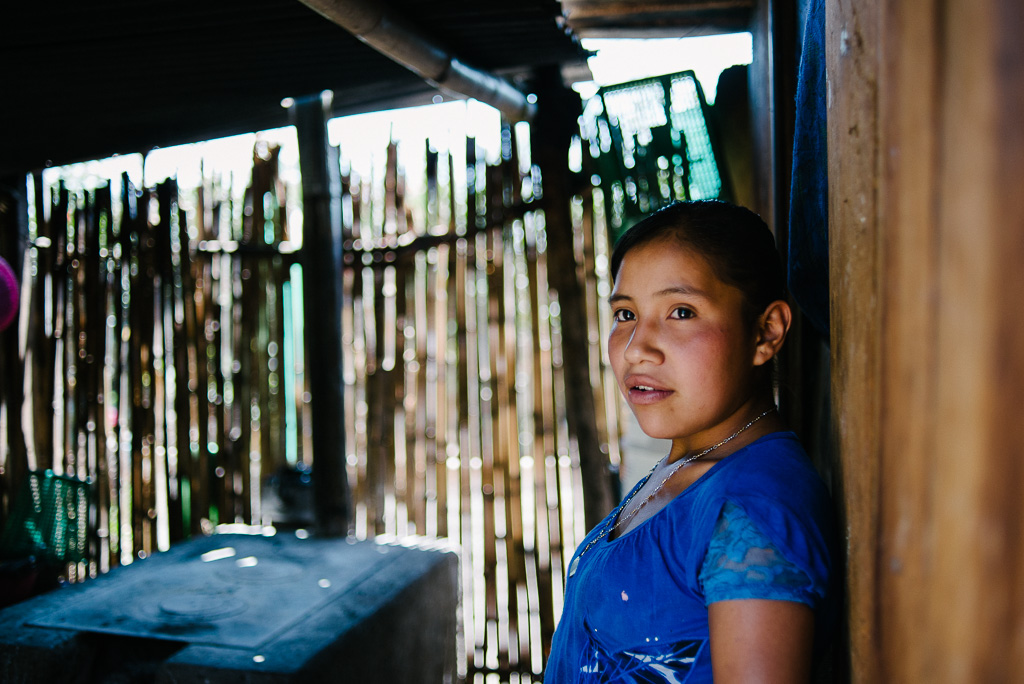
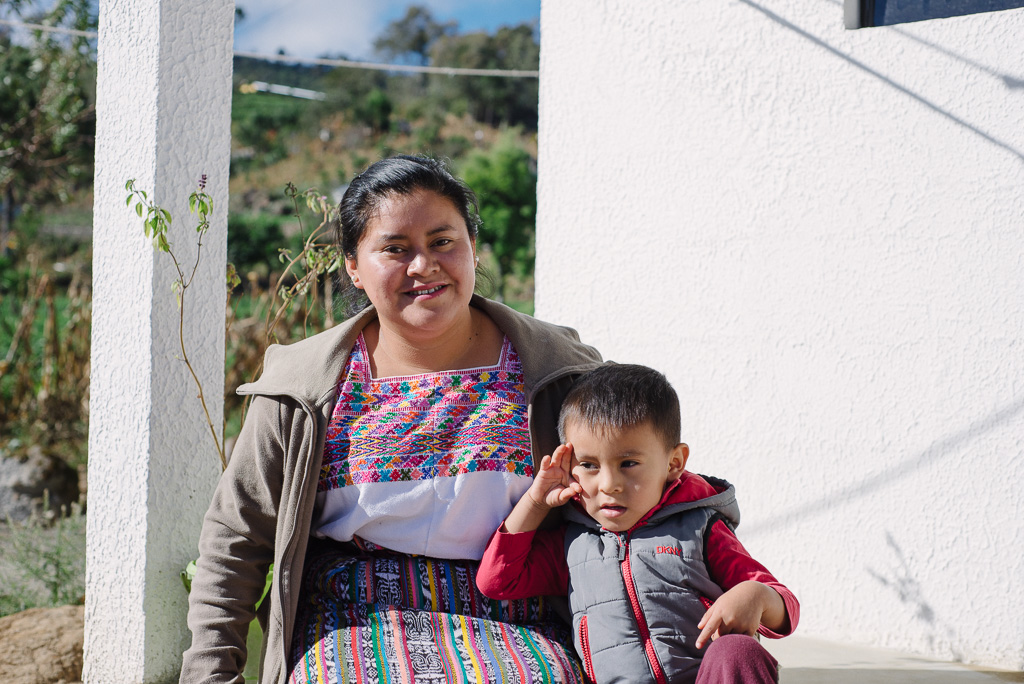
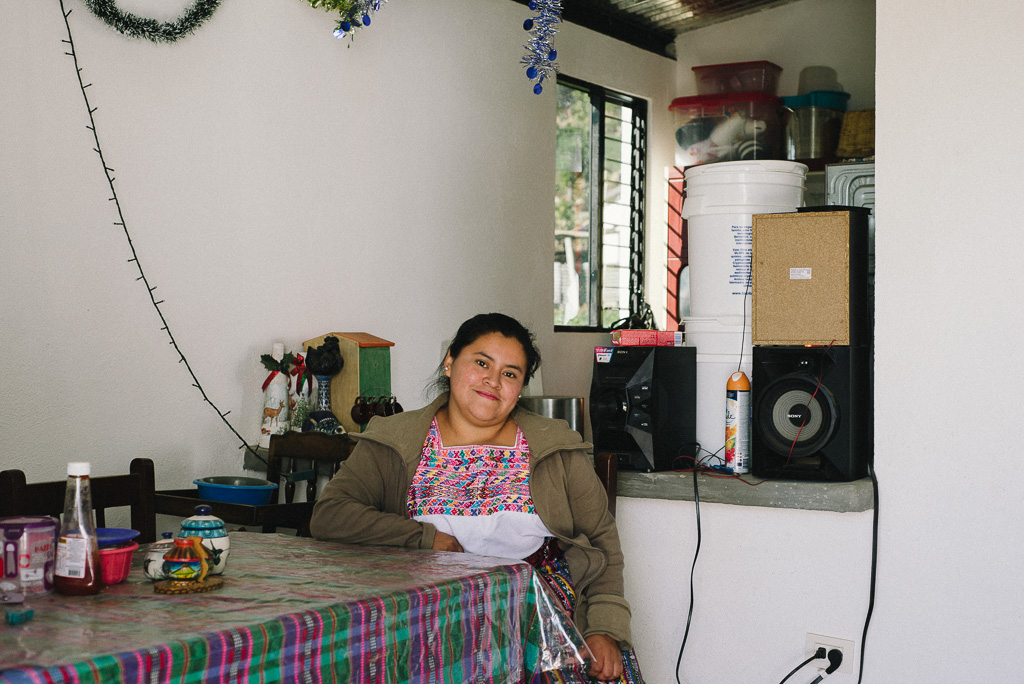
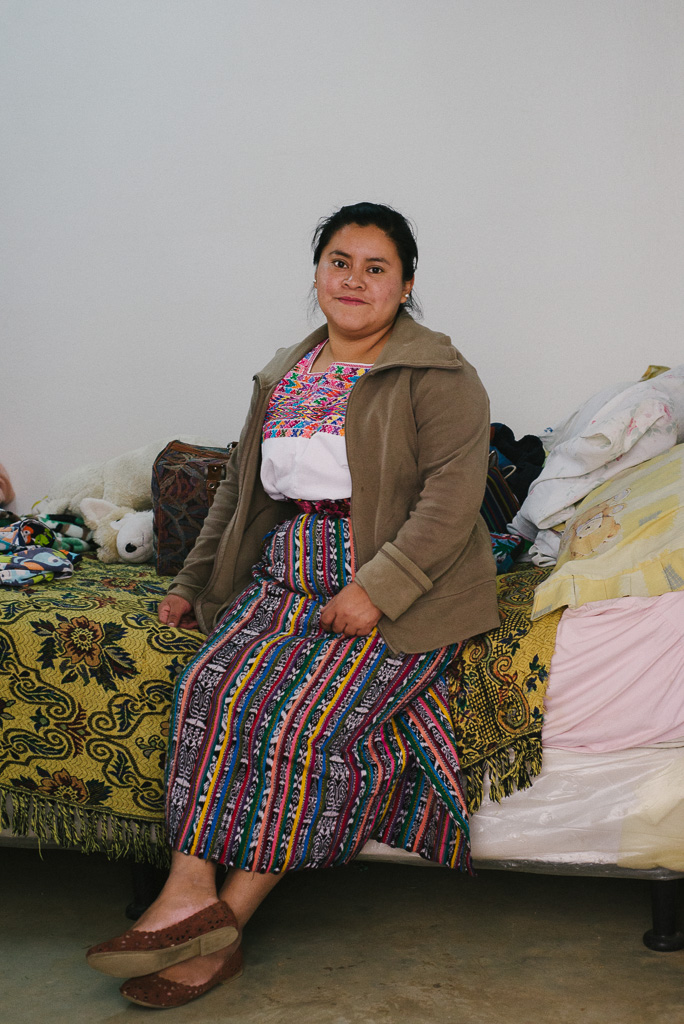
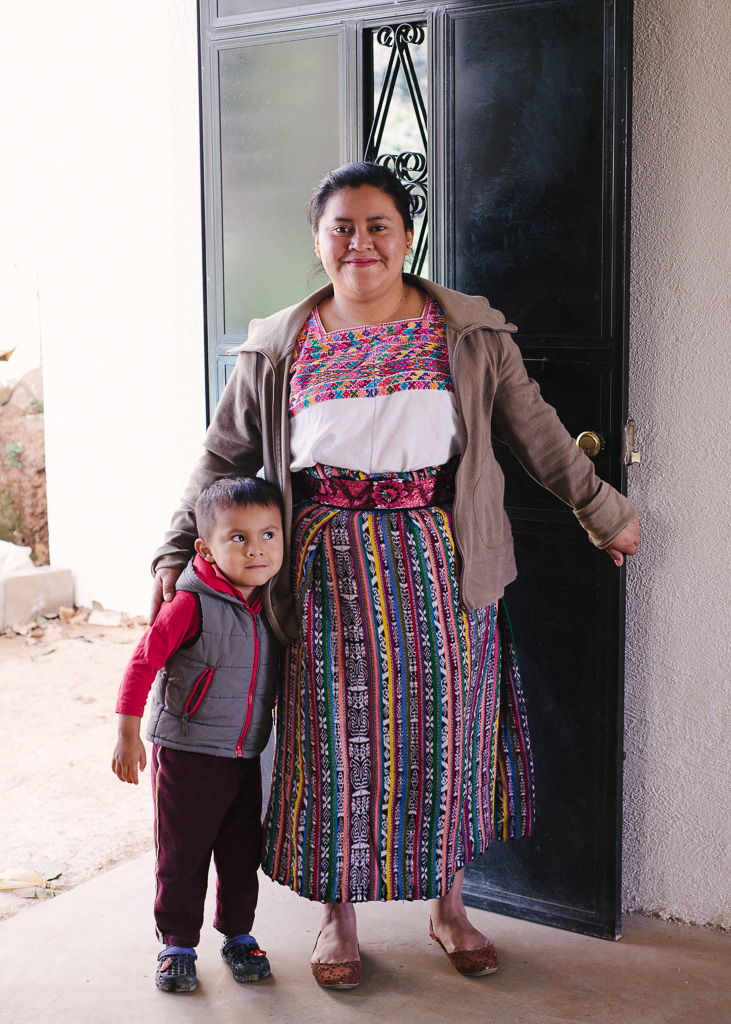
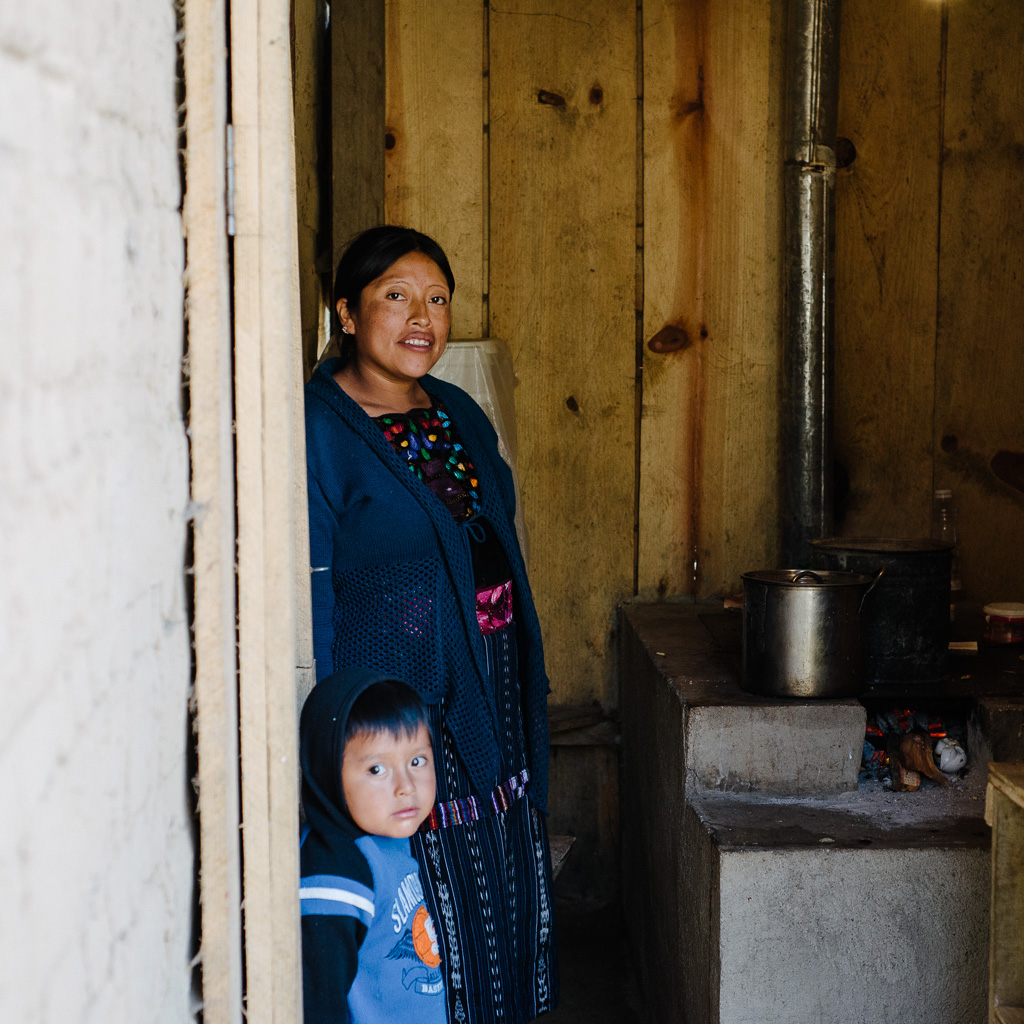
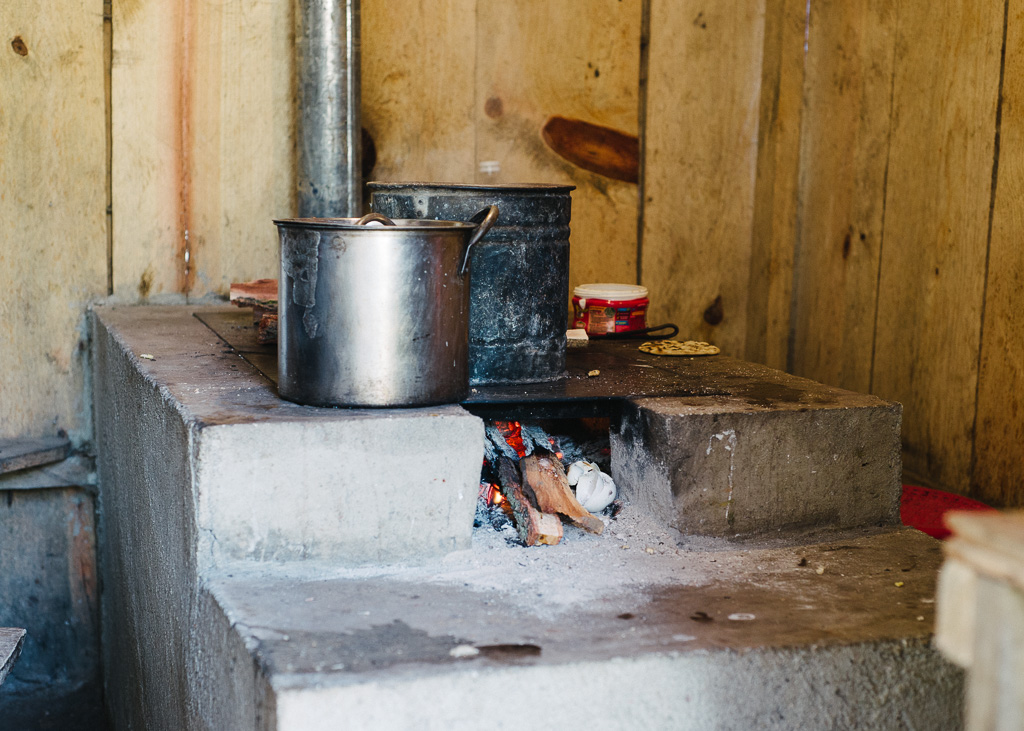
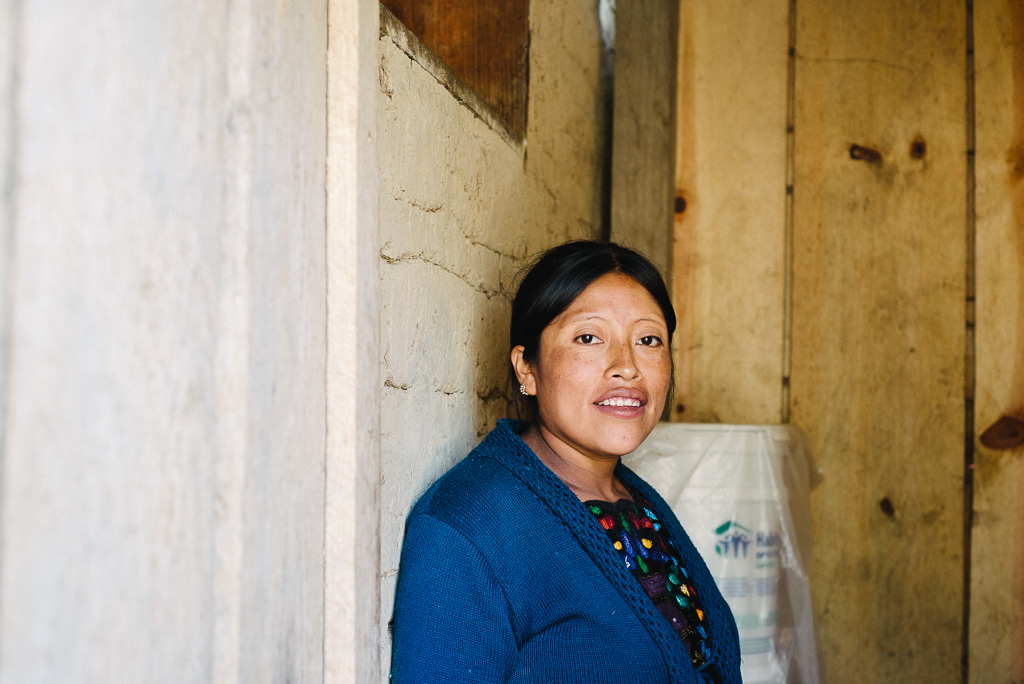
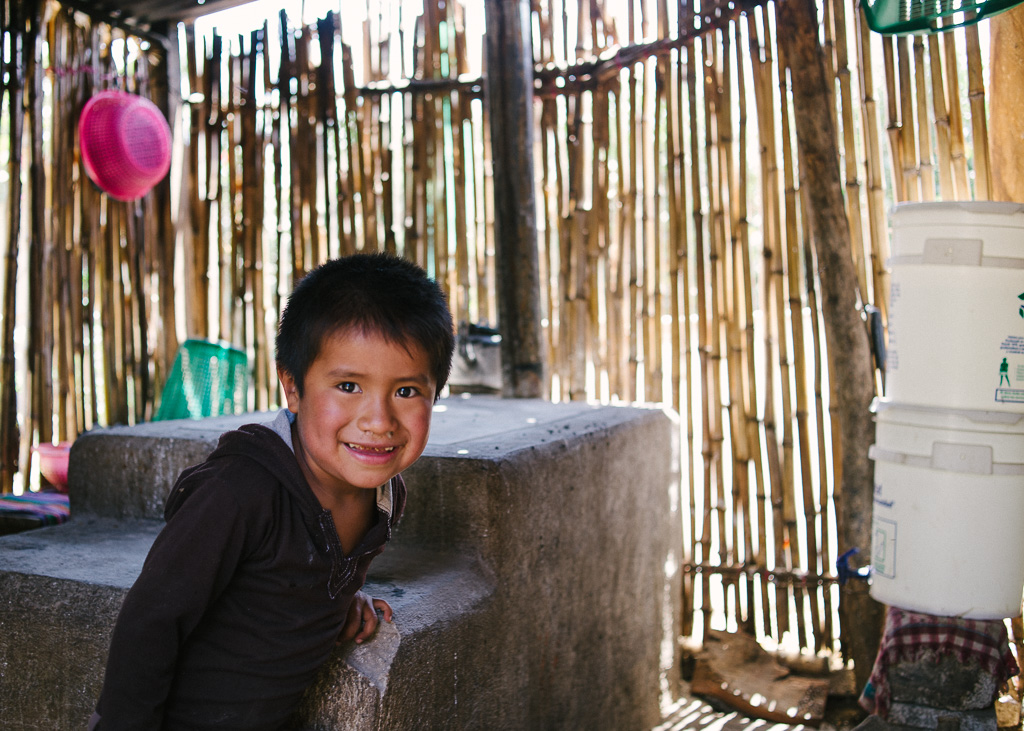
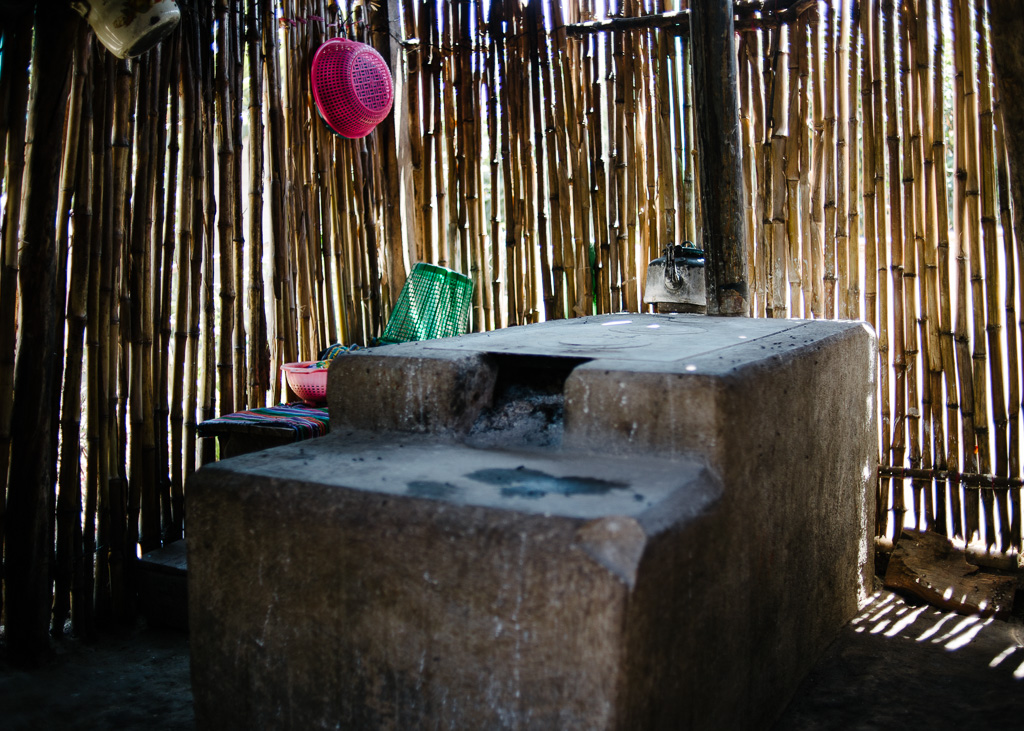
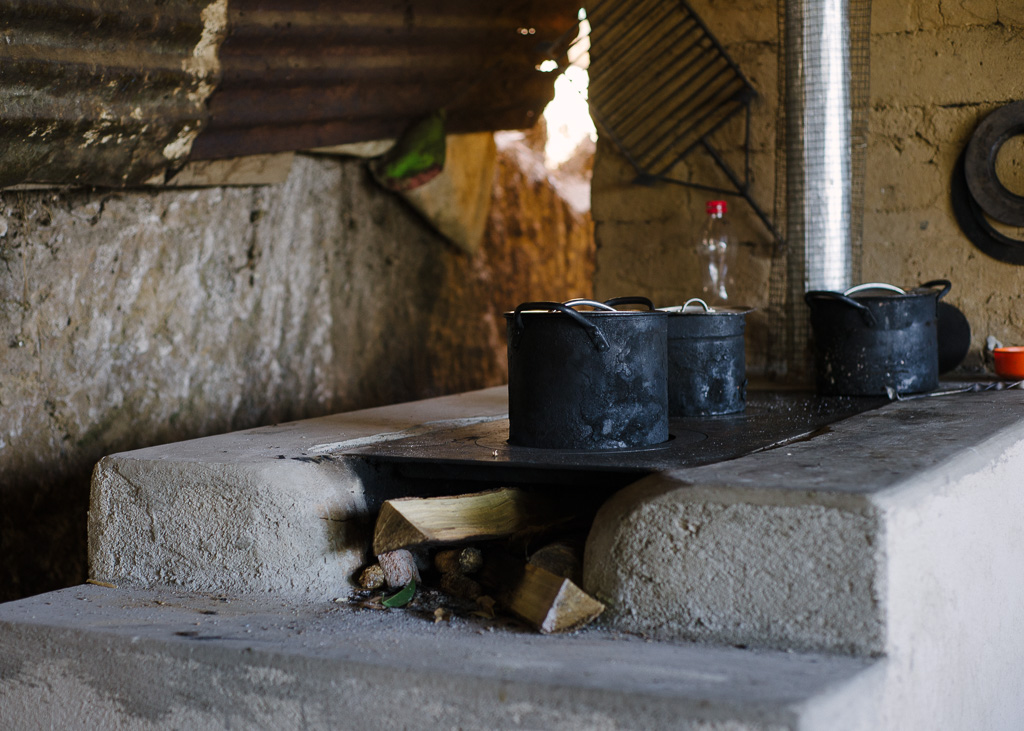
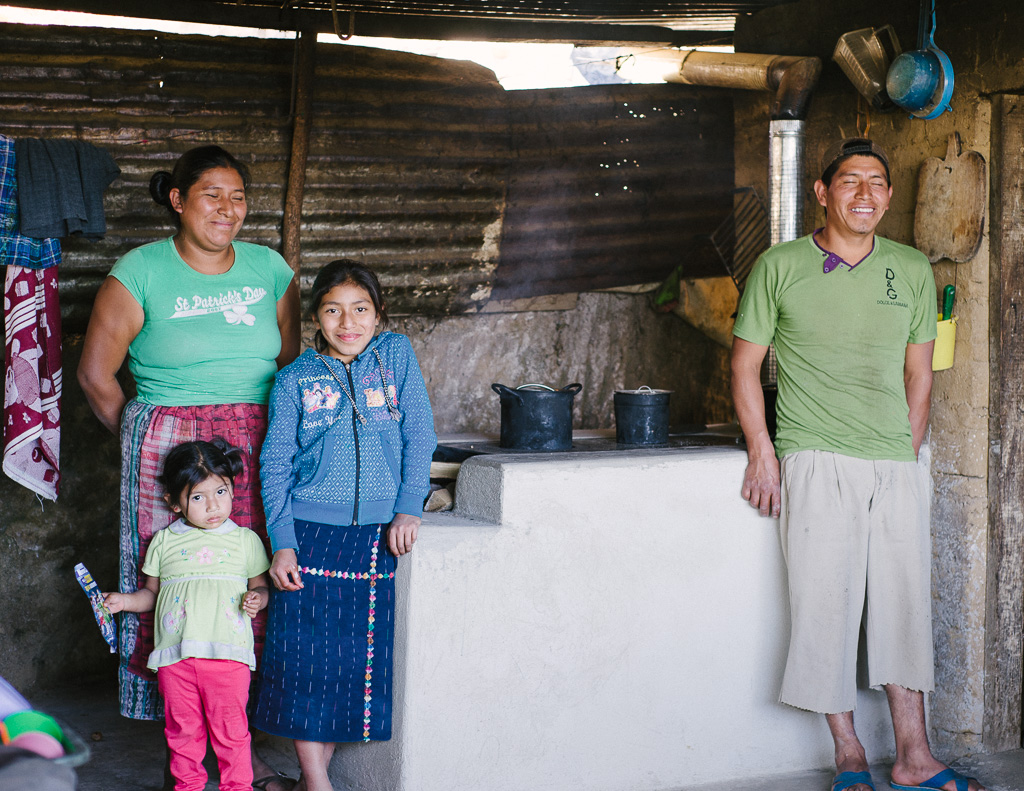
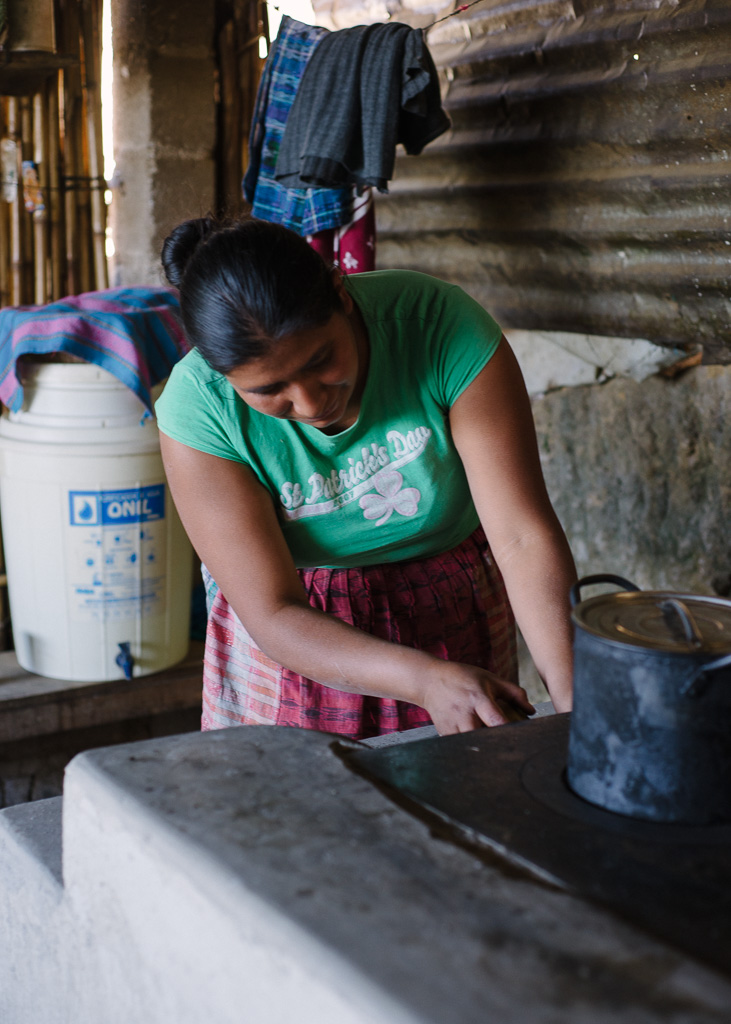
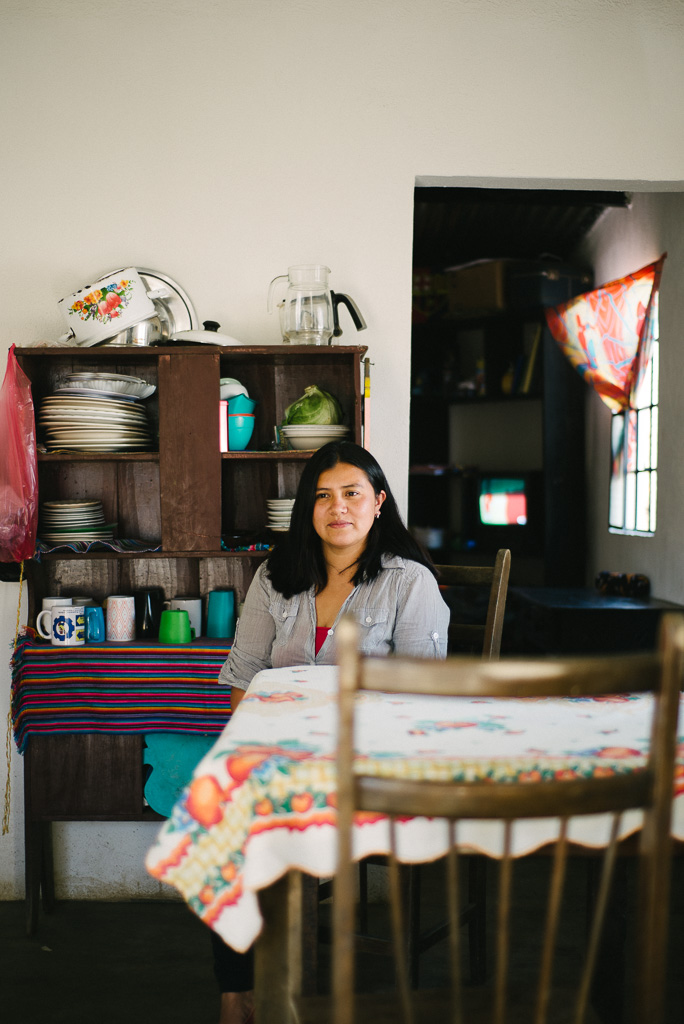
“My new stove works so well–it cooks my tortillas fast and they turn out well!”, Carolina Simalaj explains. “My old stove burned food, used much more wood, and created a lot of smoke. The smoke bothered my eyes while I was cooking.”
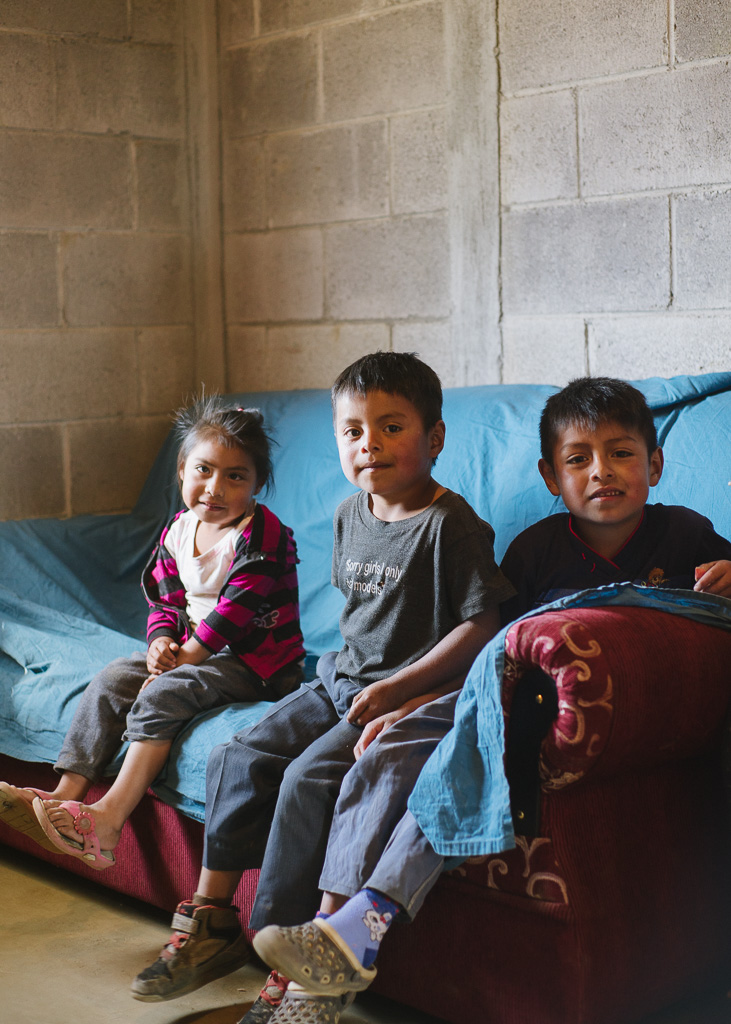
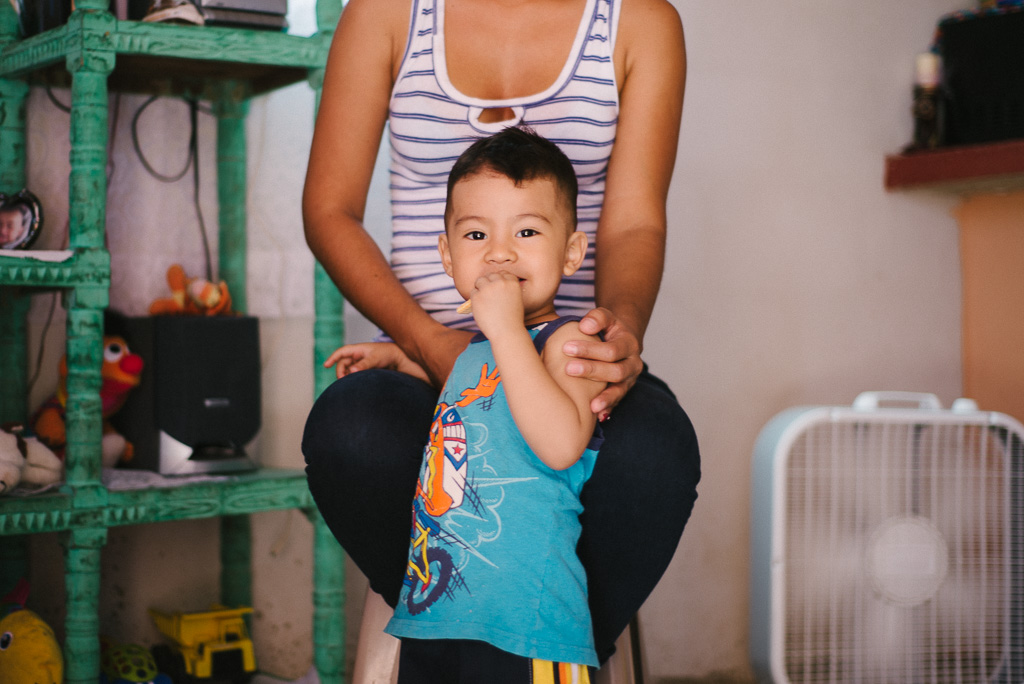
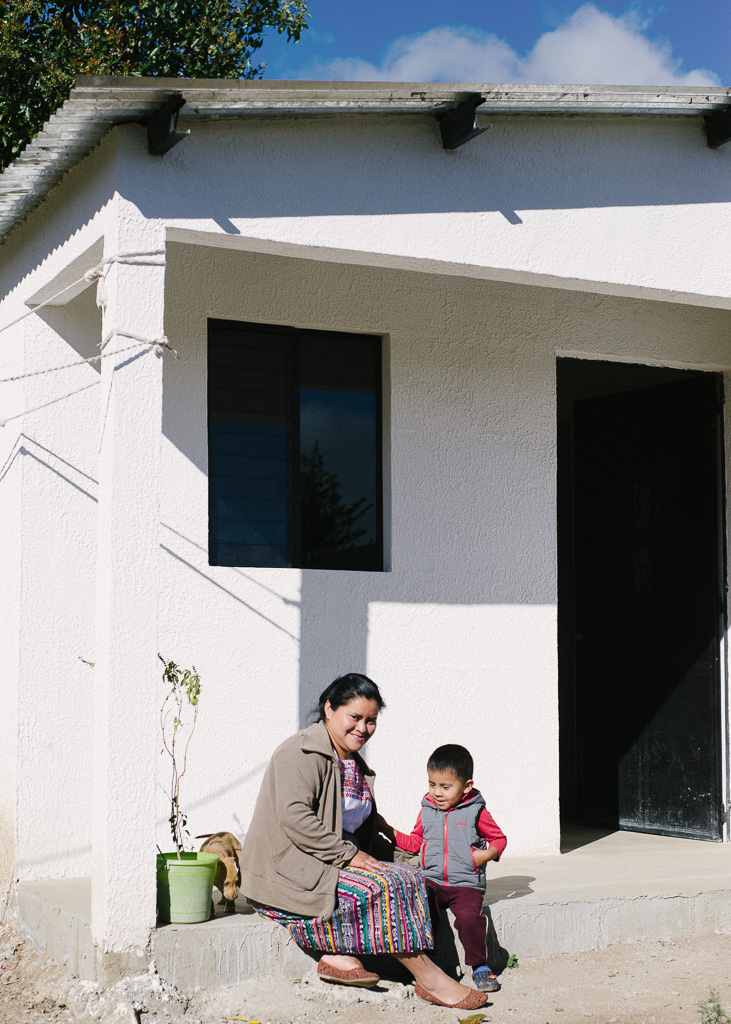
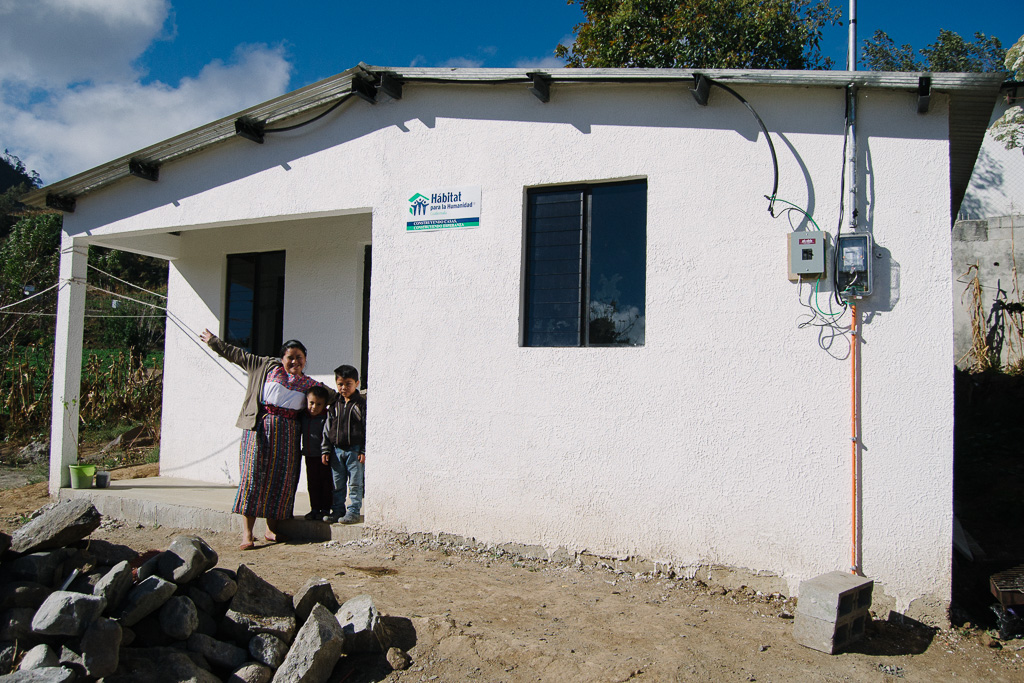
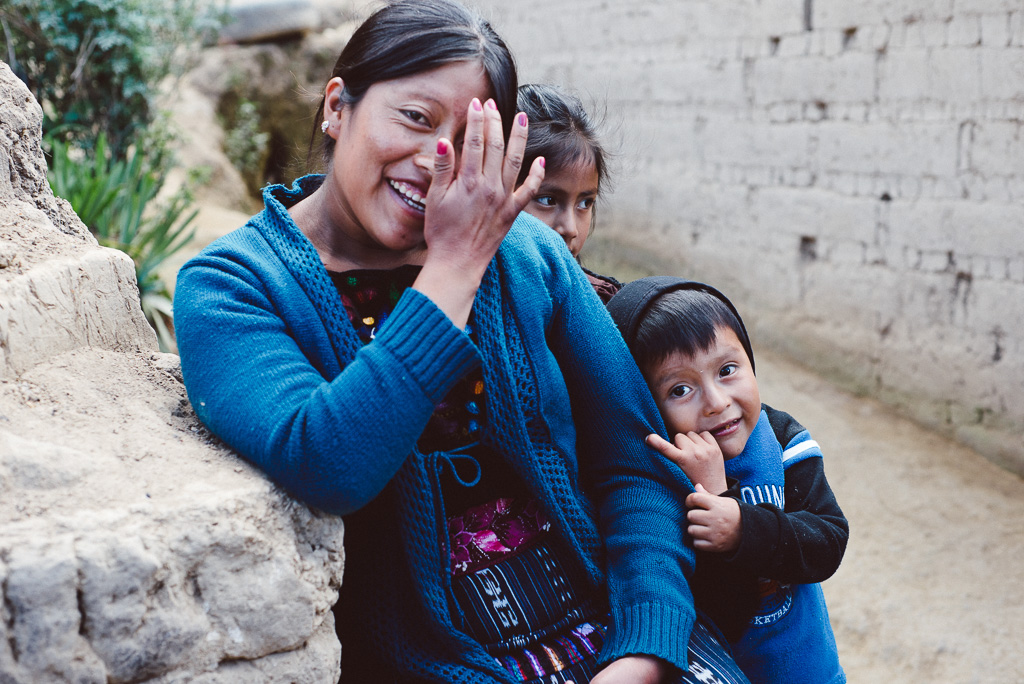
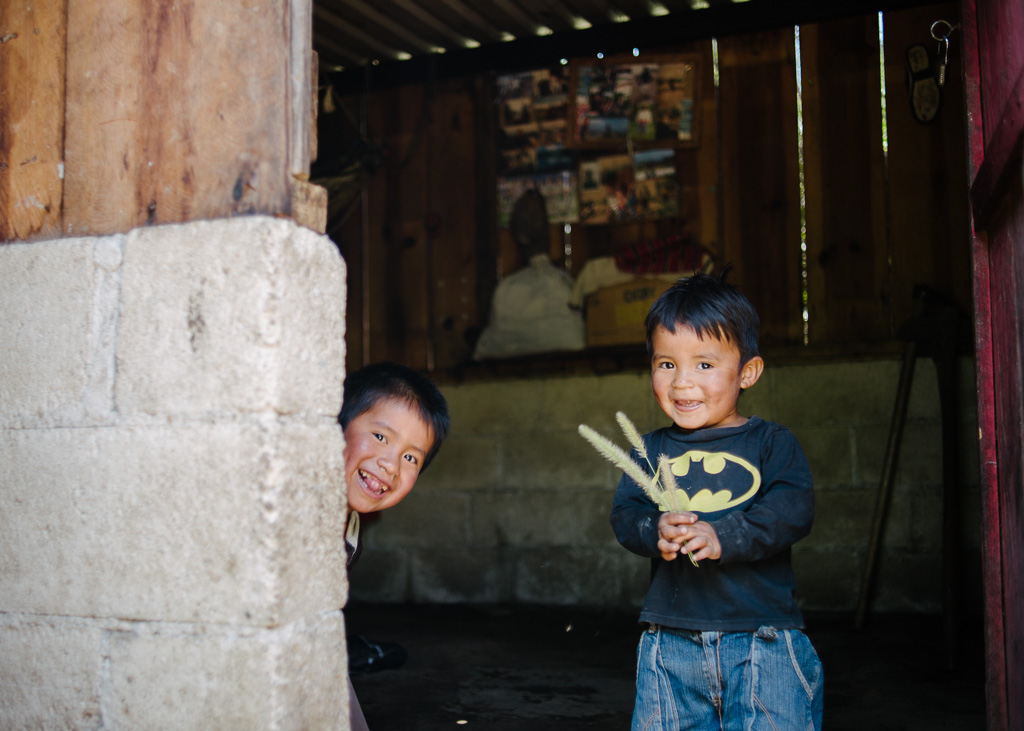
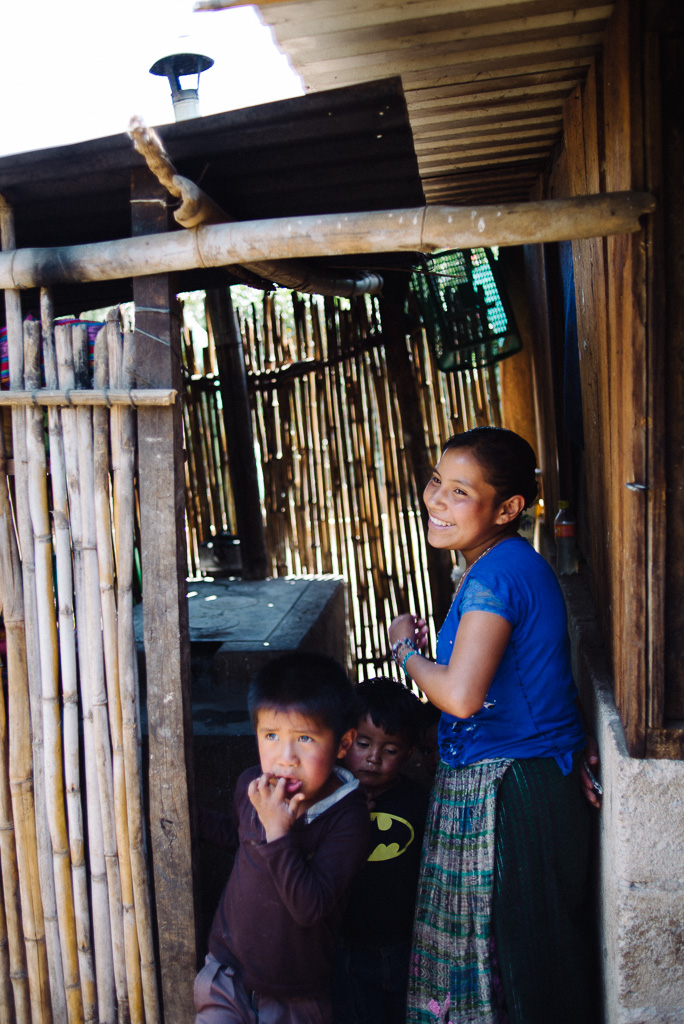
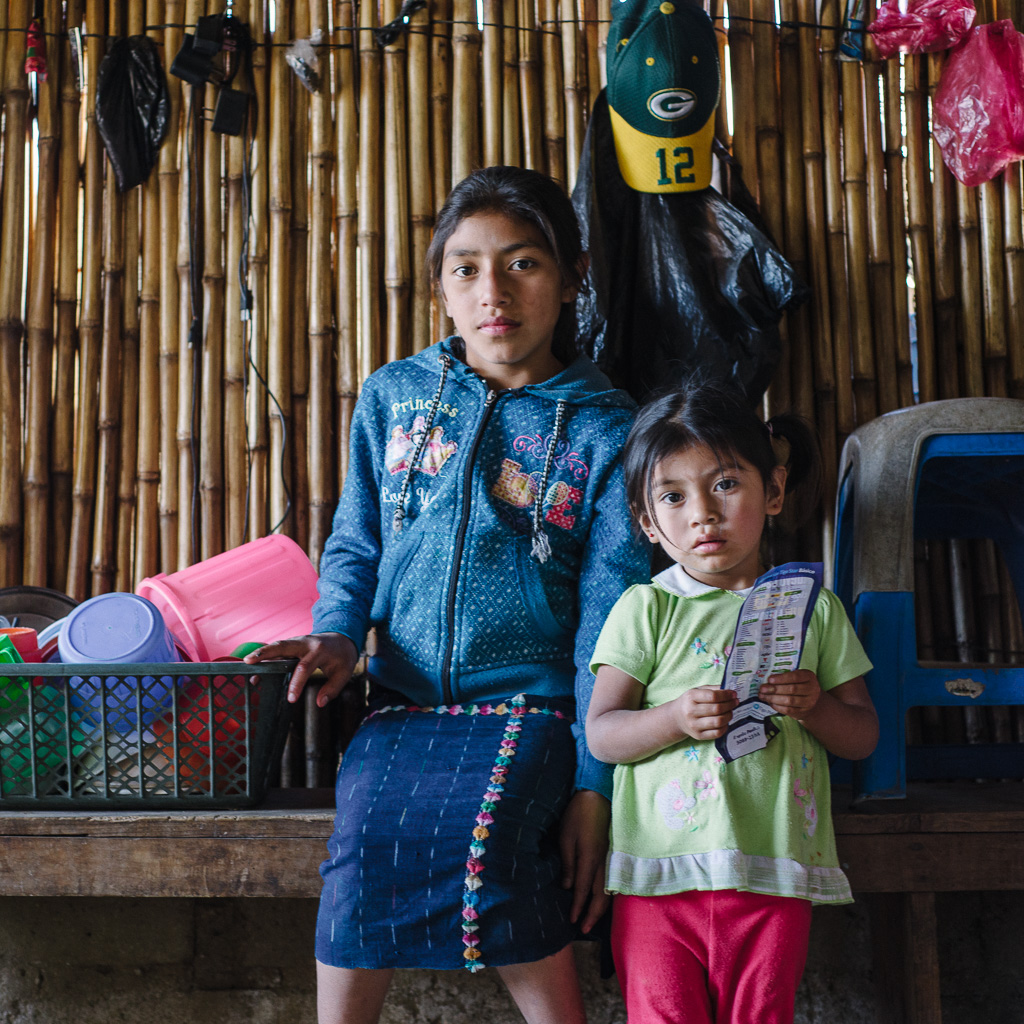
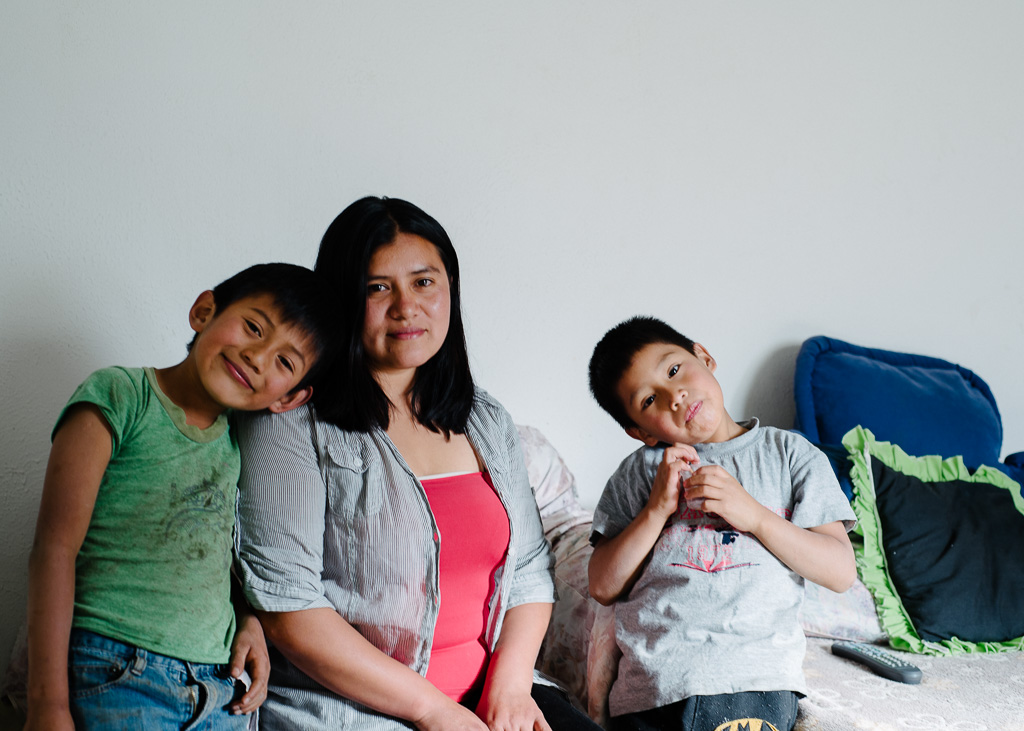
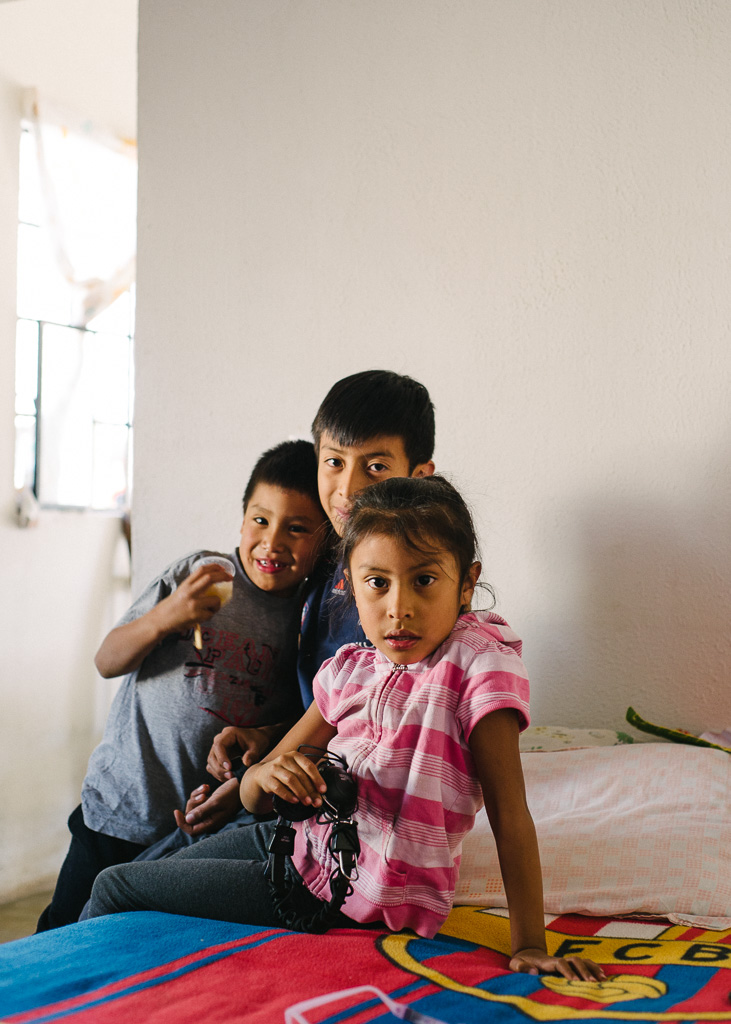
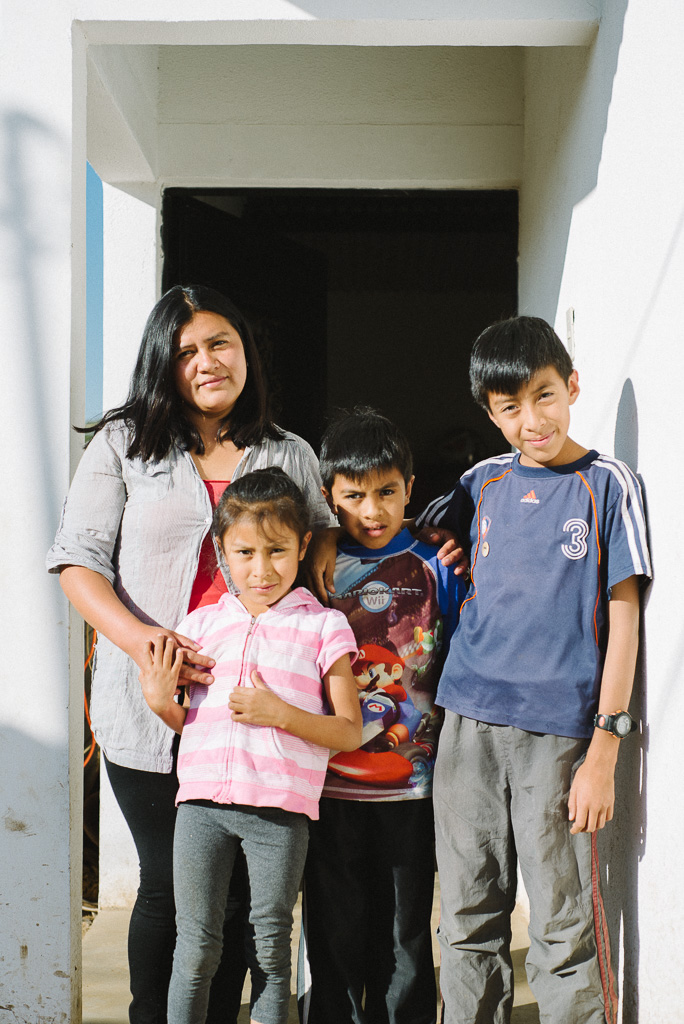
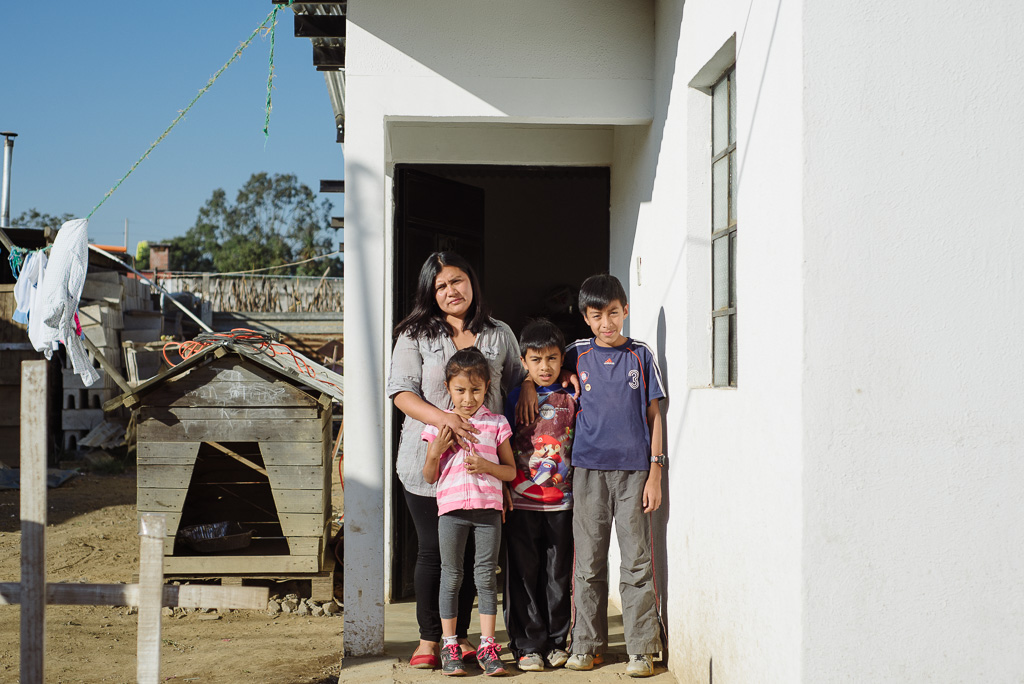
Carolina lives with her husband Isaias and their three sons: 5 year old Peter, 3 year old Christian, and 1 year old Ivan in Sololá. They are Healthy Home Kit beneficiaries and in addition to a new smokeless stove, they also now have a sanitary latrine and a water filter.
The family is also very happy to have a water filter. 95% of water in Guatemala is contaminated which leads to a variety of parasites and illnesses. “Before we had a water filter our stomachs hurt often,” Carolina says. With a water filter, this is no longer an issue and Carolina is happy that her boys no longer have to experience stomach pain as a result of drinking contaminated water.

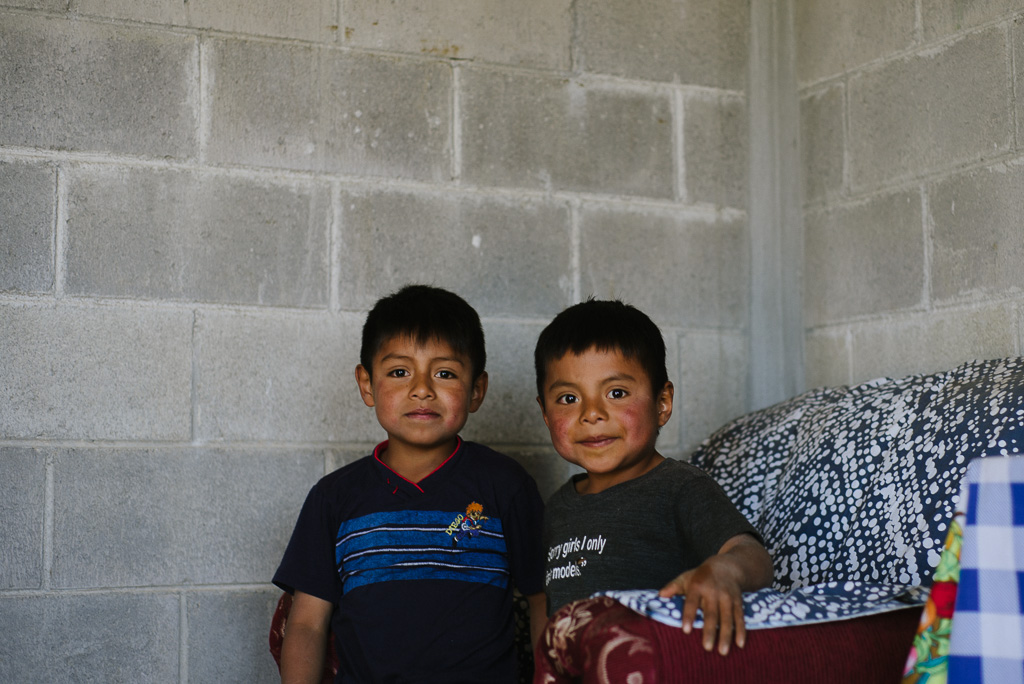
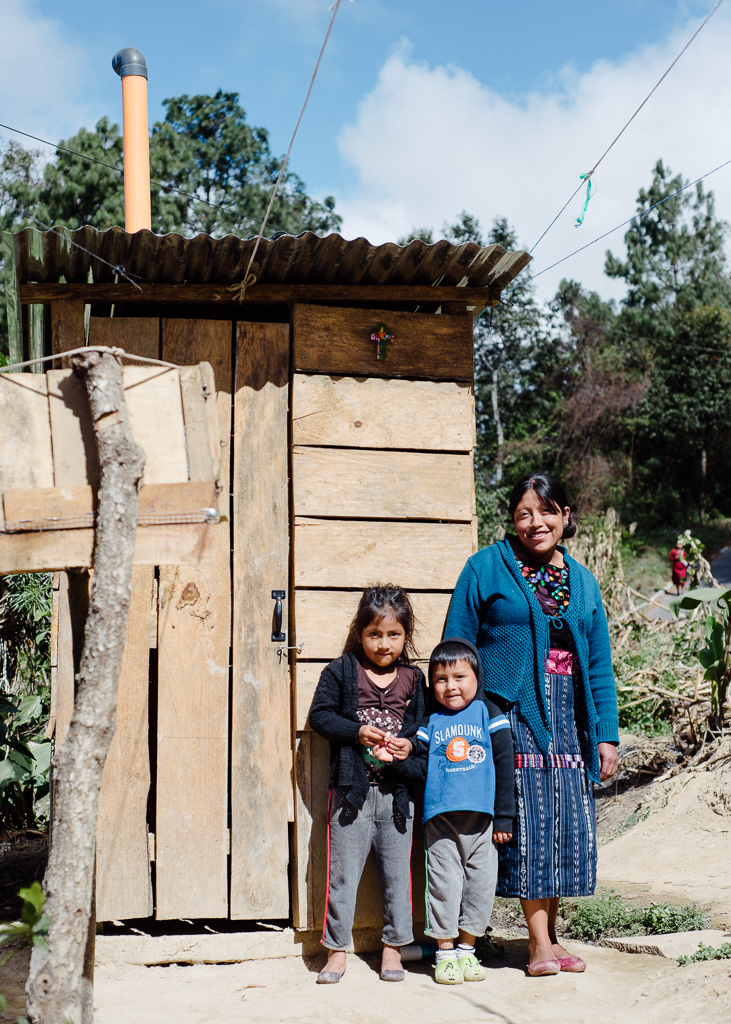
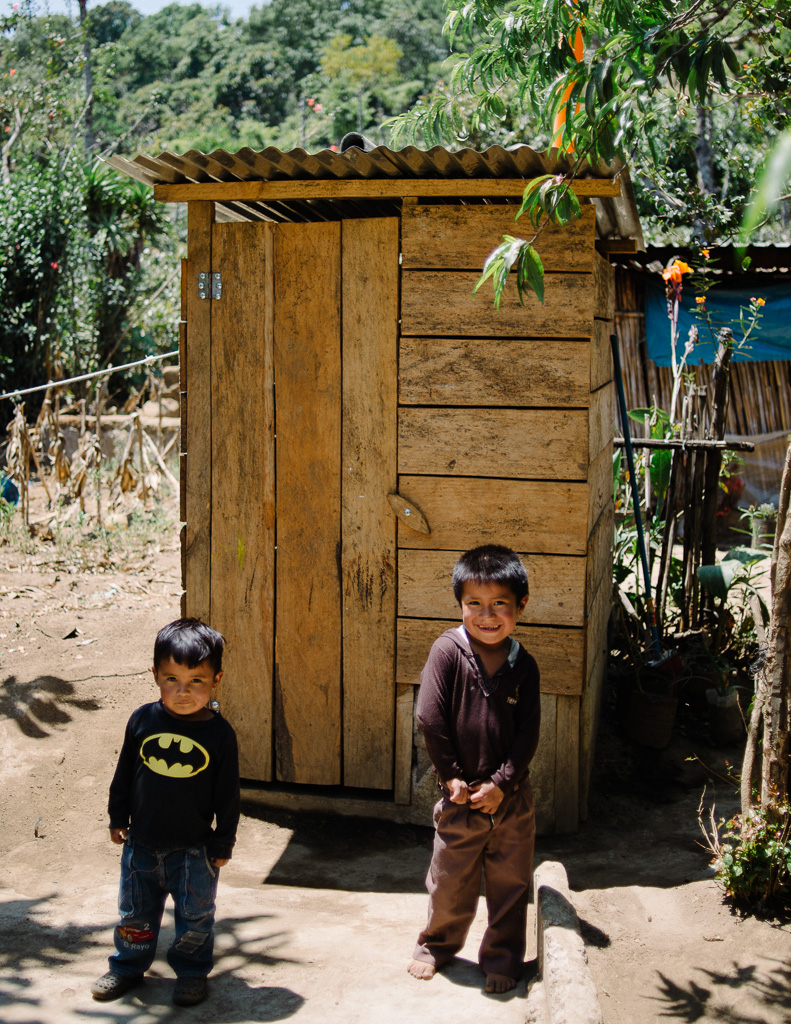
Christian, age 3, and Peter, age 5, with their new sanitary latrine.
“The new latrine is much more comfortable; it’s clean and healthy.”, continues Carolina. The old latrine, shown below, was made of sugar cane stalk and various cloth materials. Now, the family has a stable structure made from wood and metal that provides protection from the elements. This is especially important during Guatemala’s rainy season, during which it rains heavily for several hours a day.
Carolina also wants to thank the volunteers who supported her family by volunteering to build the latrine and stove. “Thank you for your support!” she concludes.





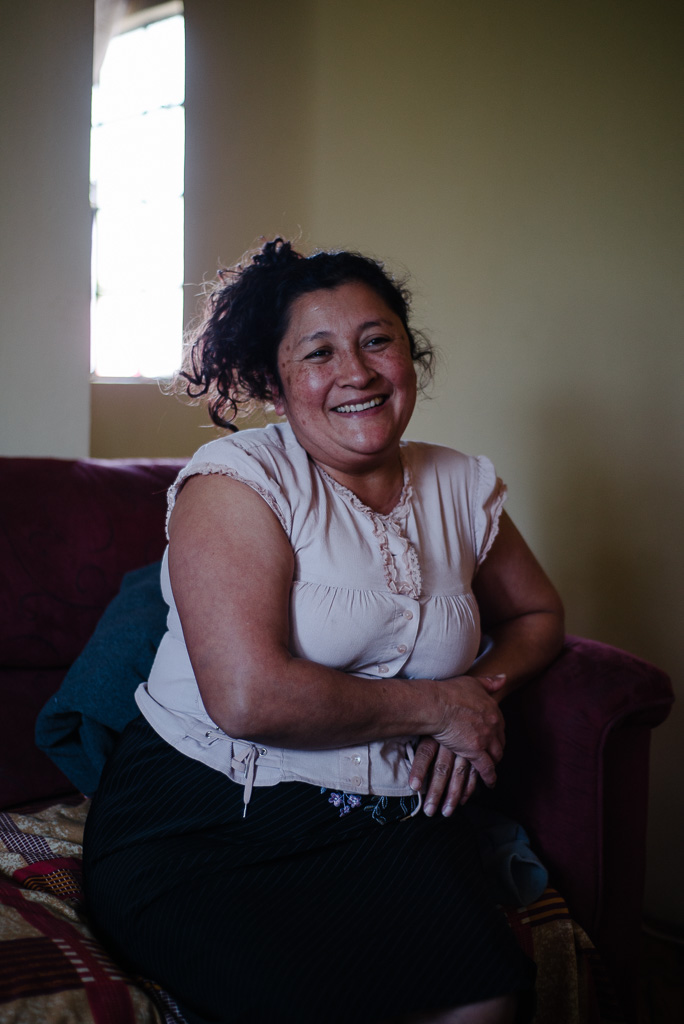
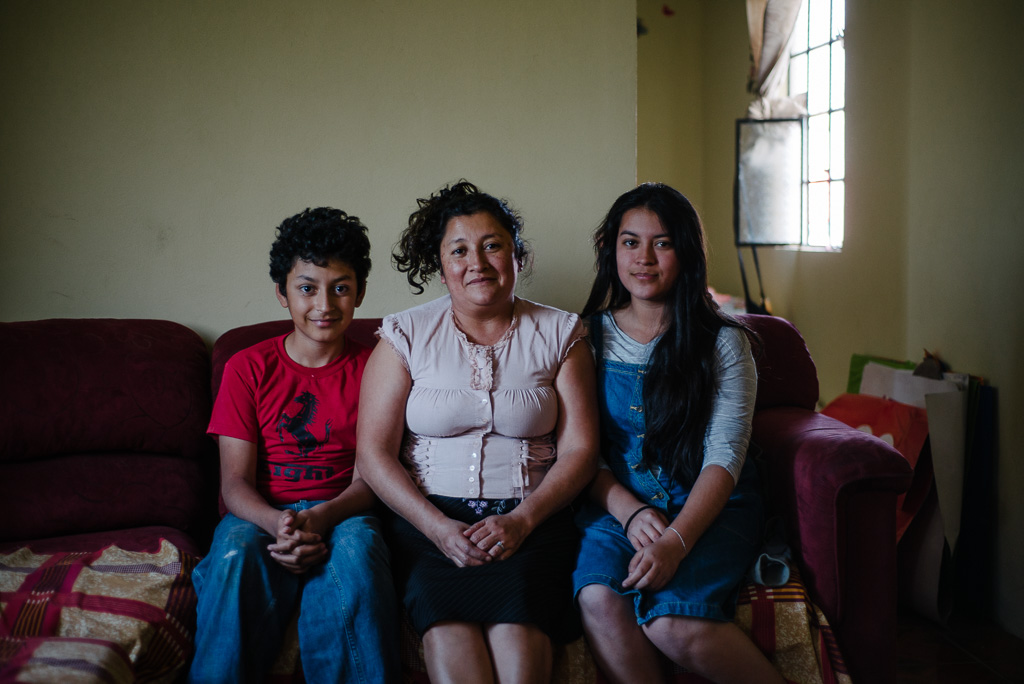





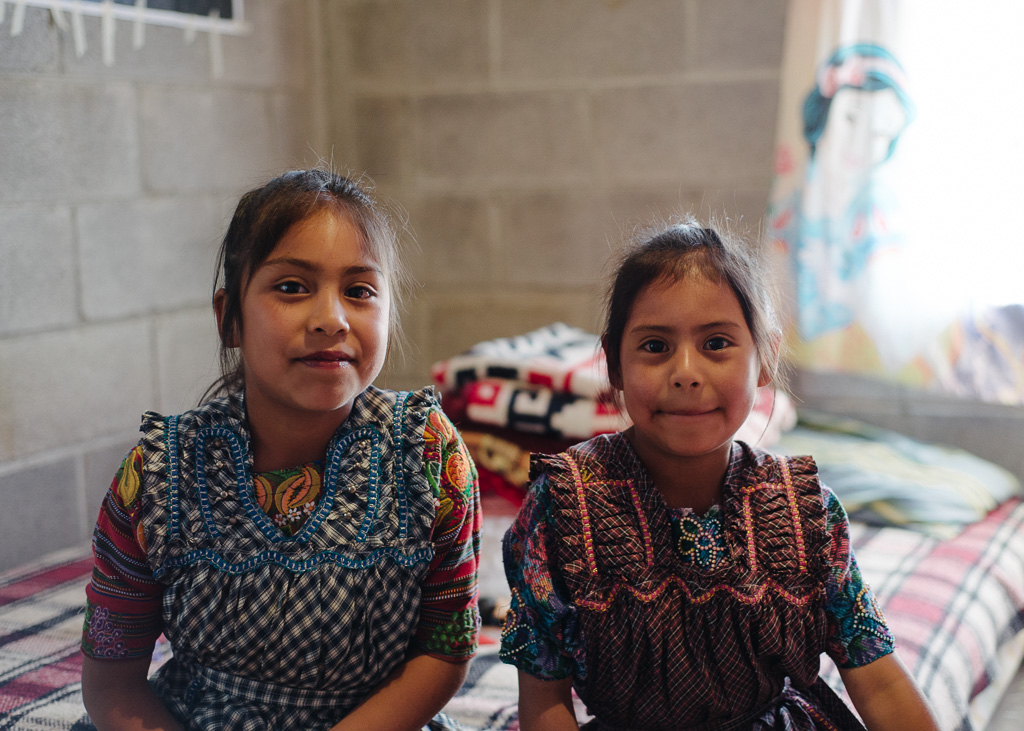

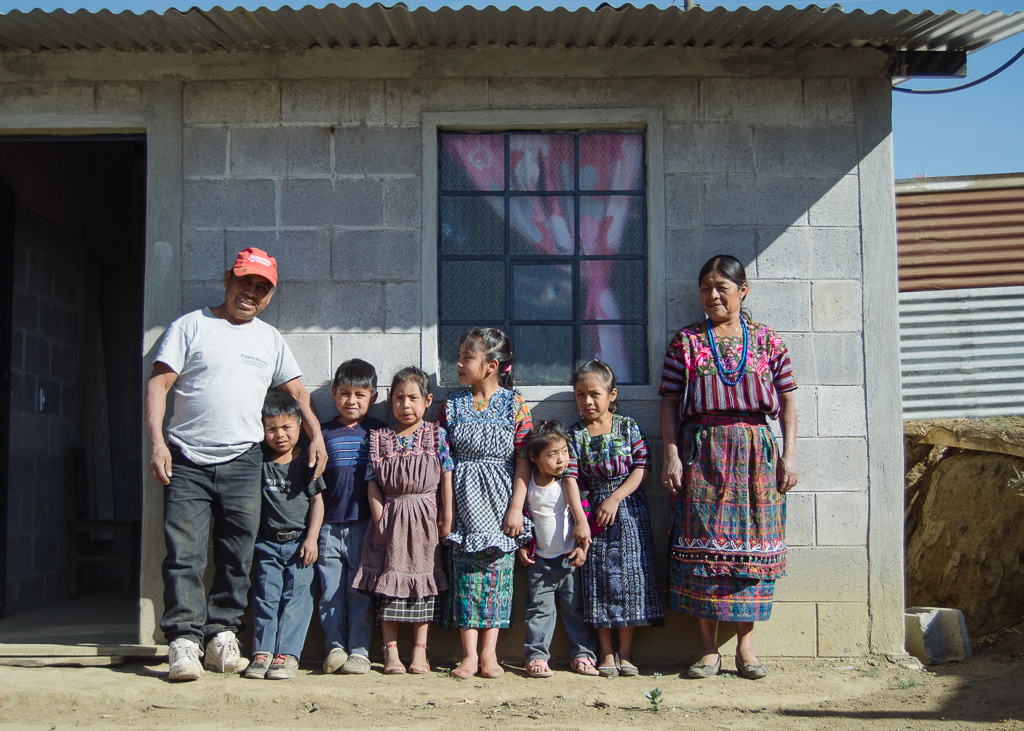


 Francisco explains Ingrid’s story: “After her husband passed away, Ingrid found work in the capital to provide for her family. She wanted to build a home for her daughters so that they would have a home in the future. I gave her the land to build the house on. The girls are little so they stay in our home while their mother works, and when she visits every fifteen days the girls stay with her in their home.”
 The sister’s houses are a only short walk apart. Standing outside Elma’s house, Francisco and Teresa explains her situation: “The never comes to see them anymore,” he says. “And neither do their grandparents.” Teresa chimes in: “There is nothing we can do about that: it is the way it is,” she says. Francisco continues: “So Elma found work with her sister and also comes home every fifteen days to see Luis and Mynor.”
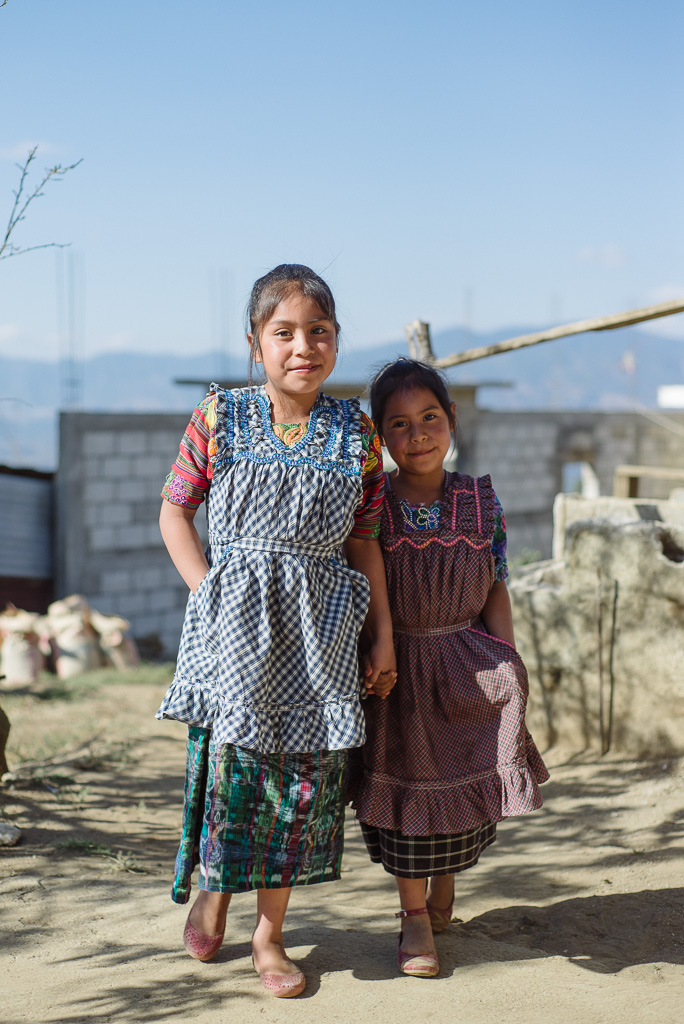
 The love and care that Francisco and Teresa have for their grandchildren is evident. As they talk, they occasionally pause to talk to their children in Kaqchikel–while Lesli and Lidia are in school and have started to learn Spanish, the younger children do not speak Spanish yet. This is common in Chimaltenango; while more and more indigenous people are learning Spanish, the older generation values their culture and strives to pass their mother tongue down the younger generations.