María Esperanza

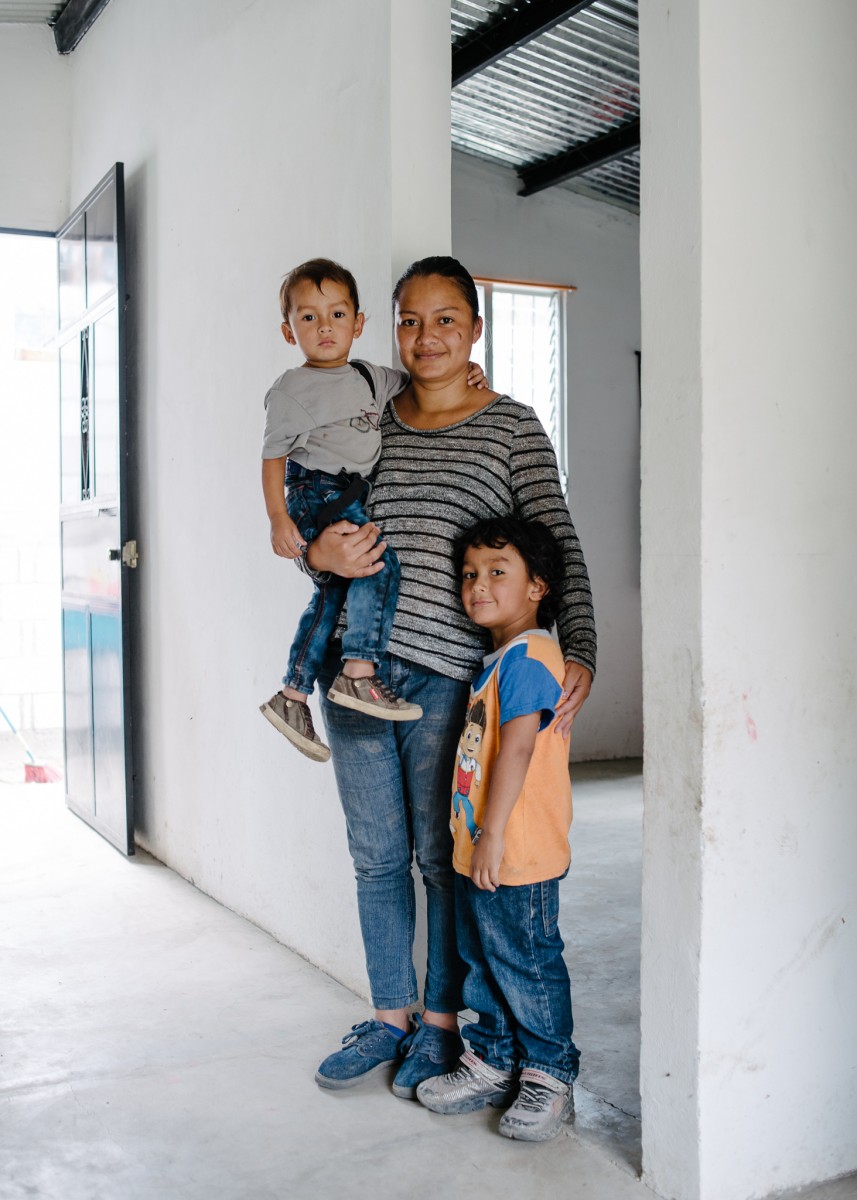
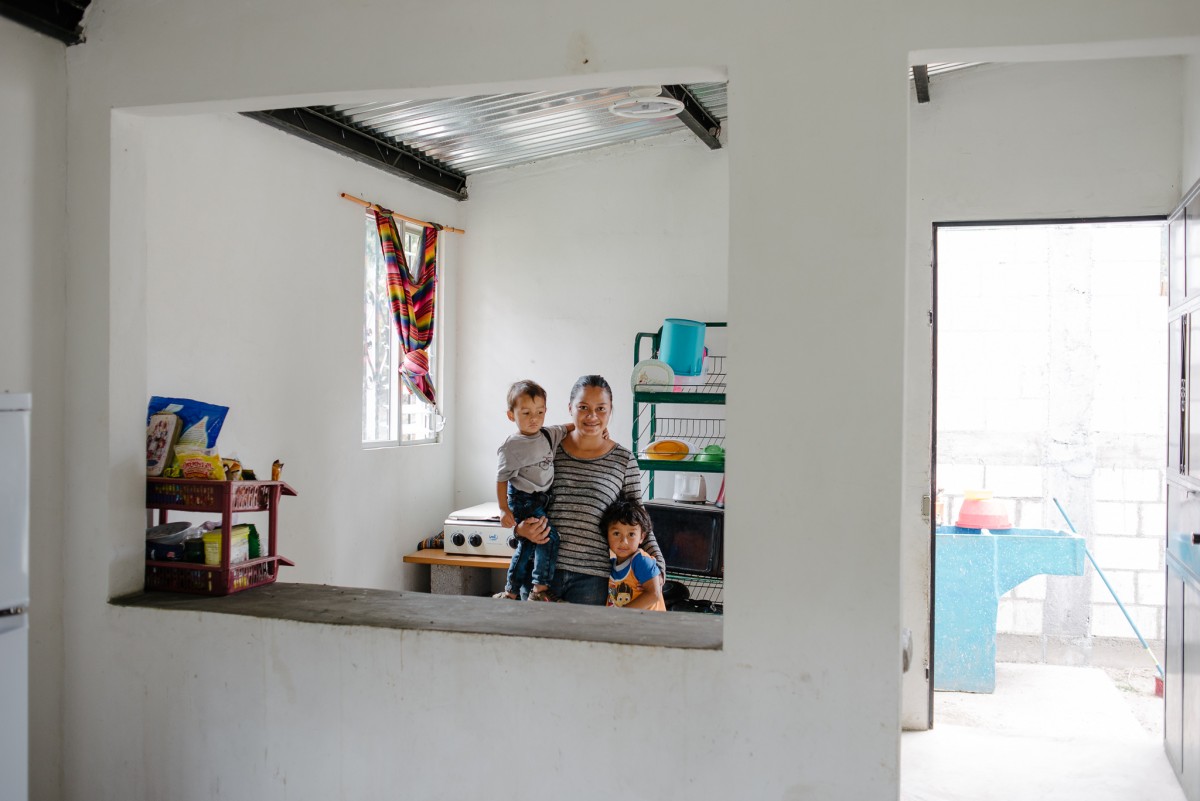
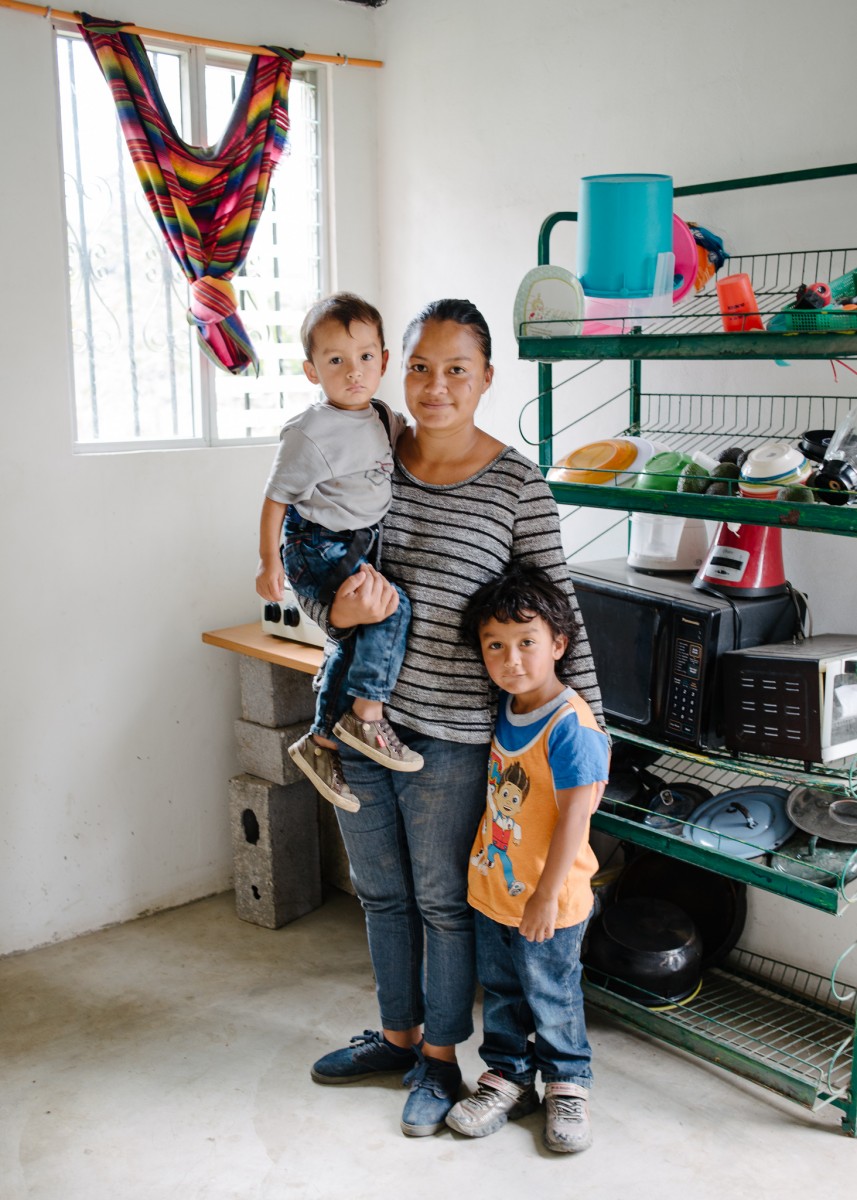
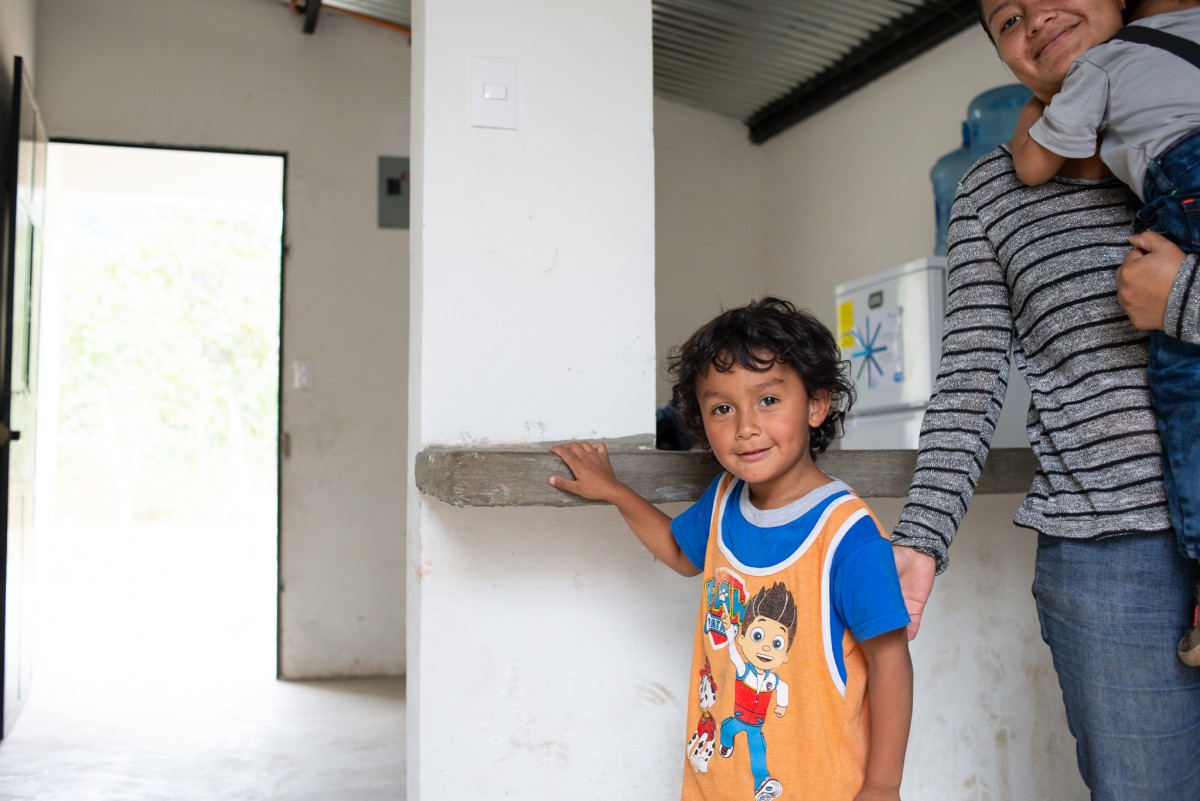
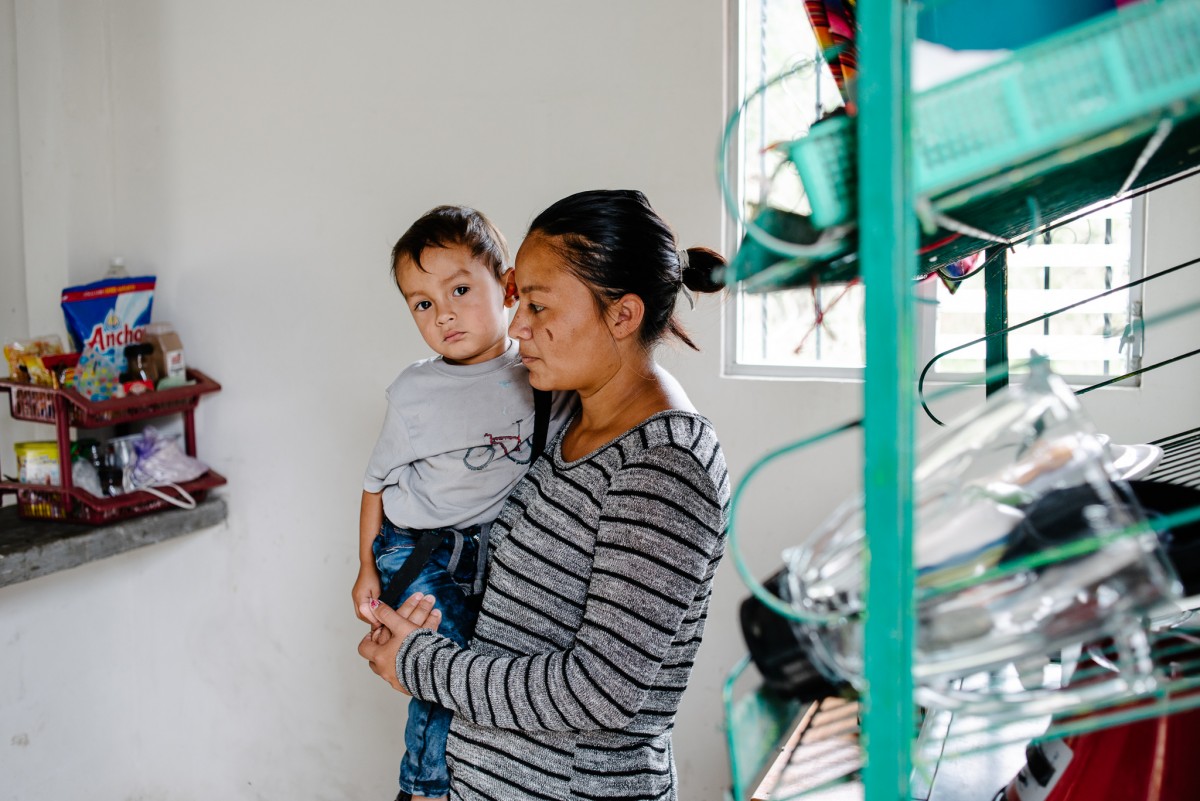
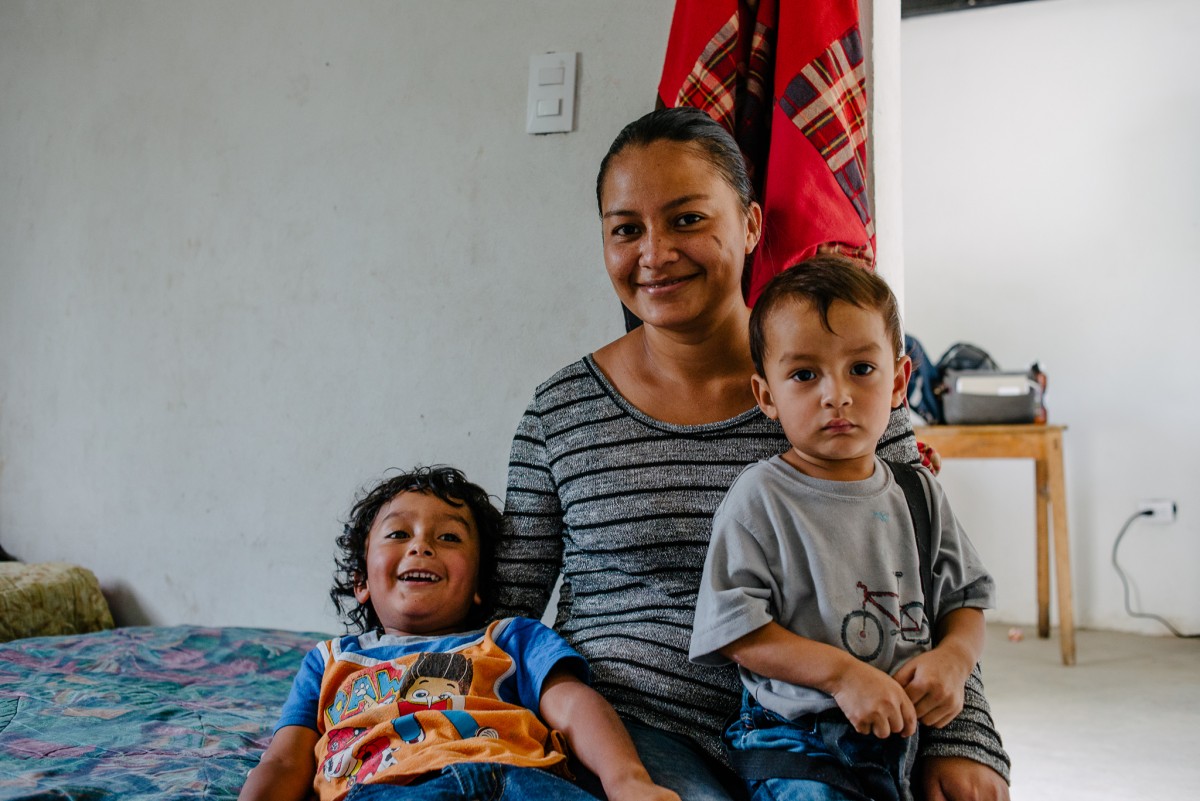
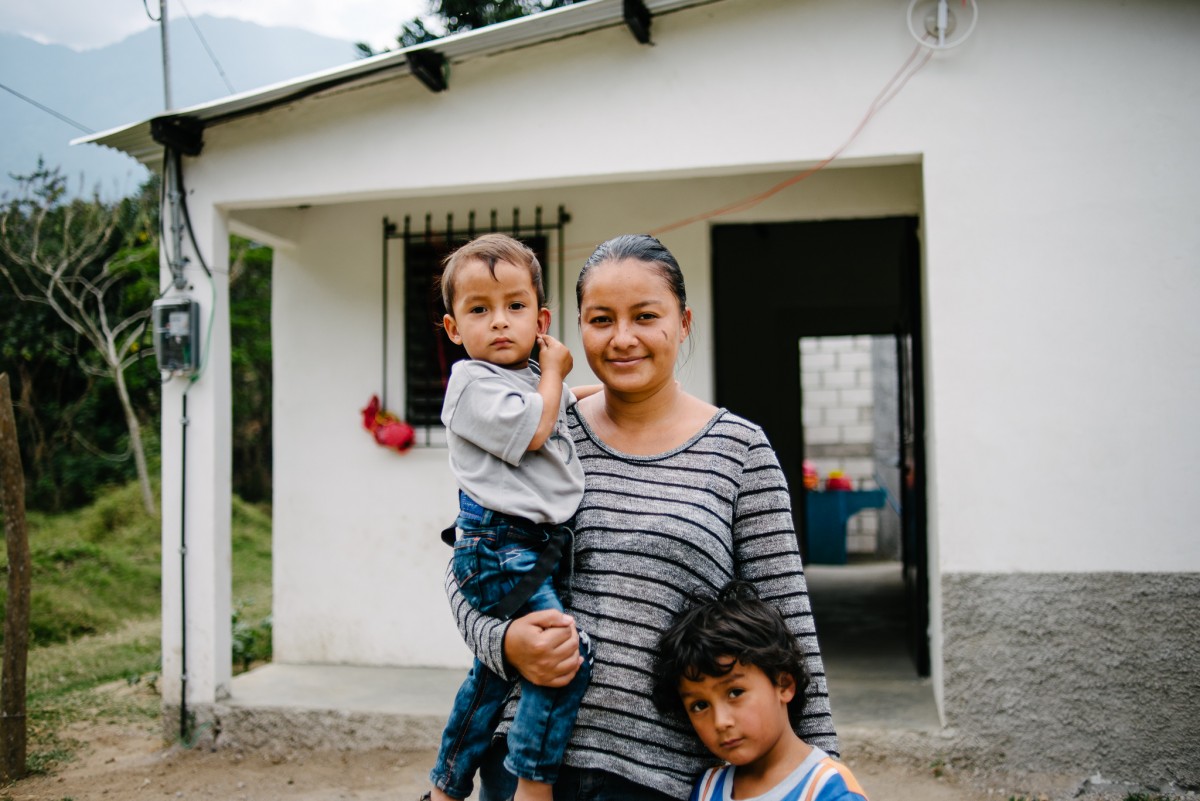
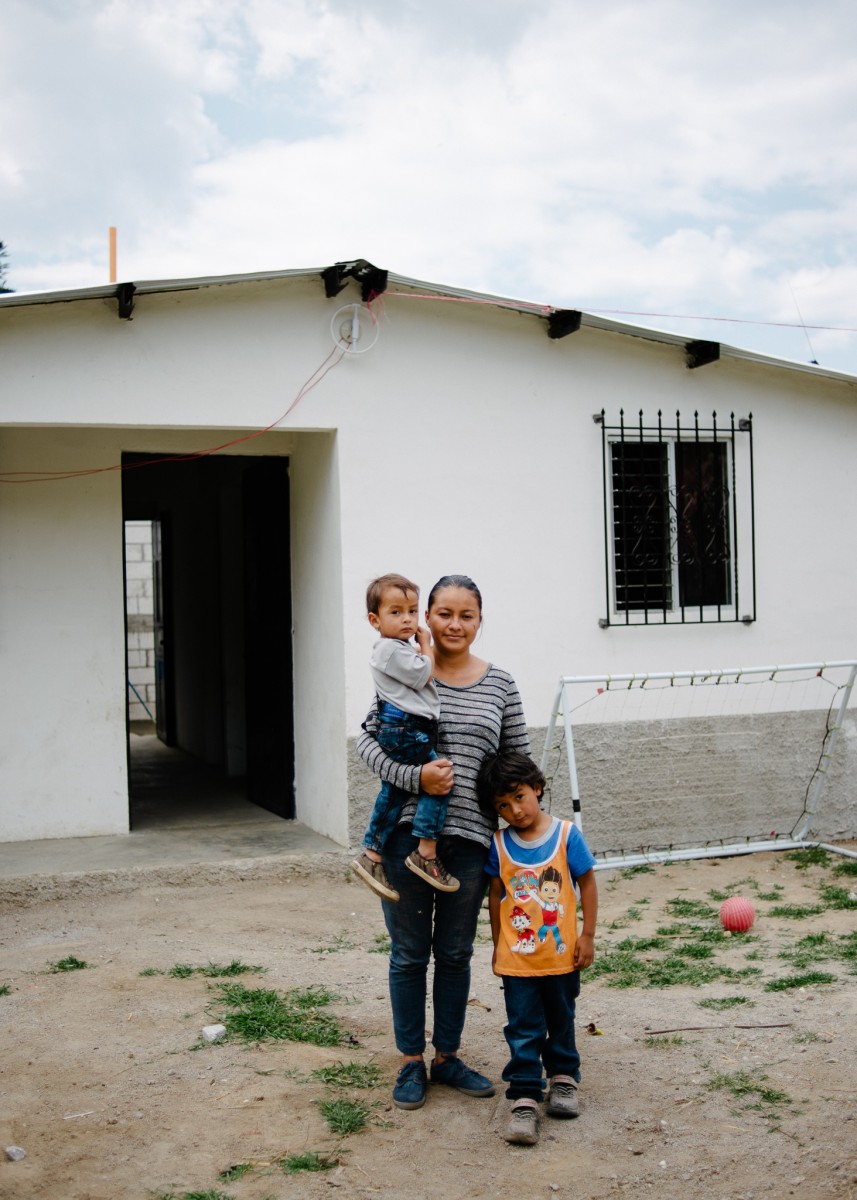
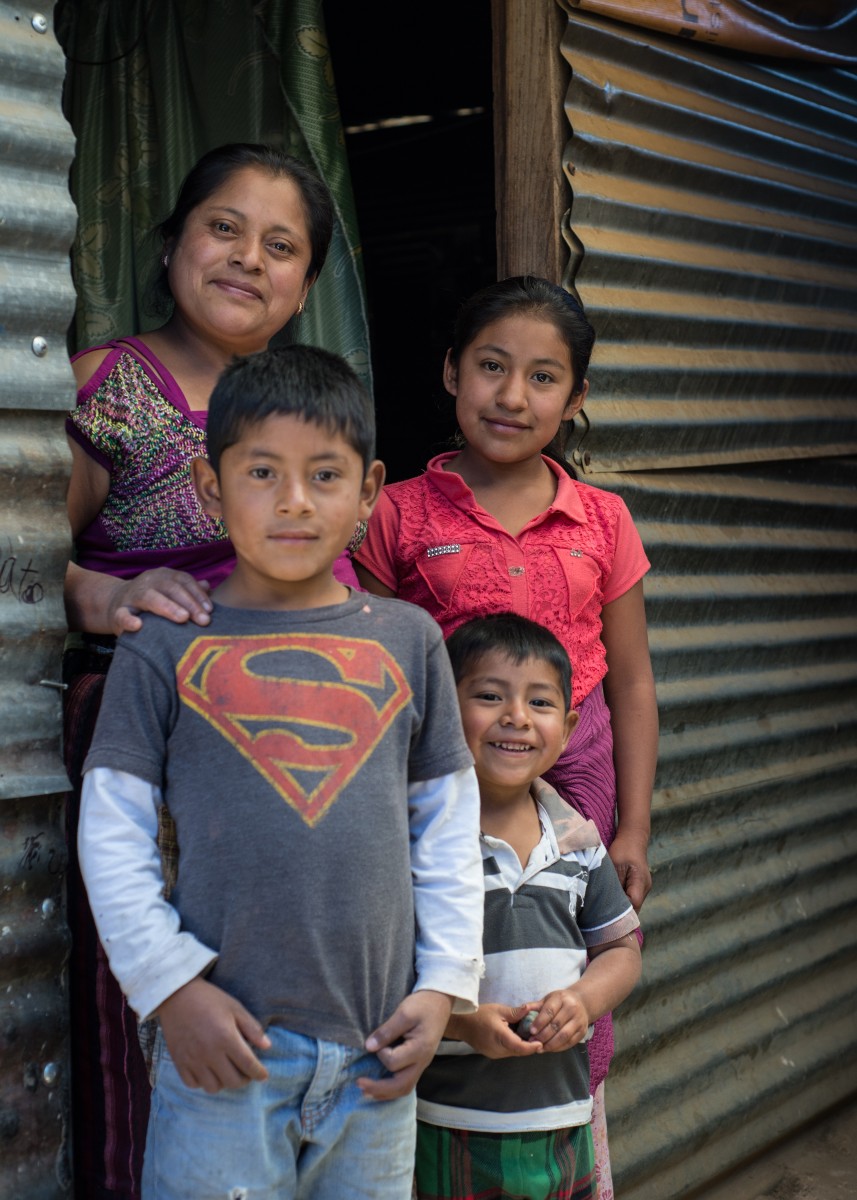
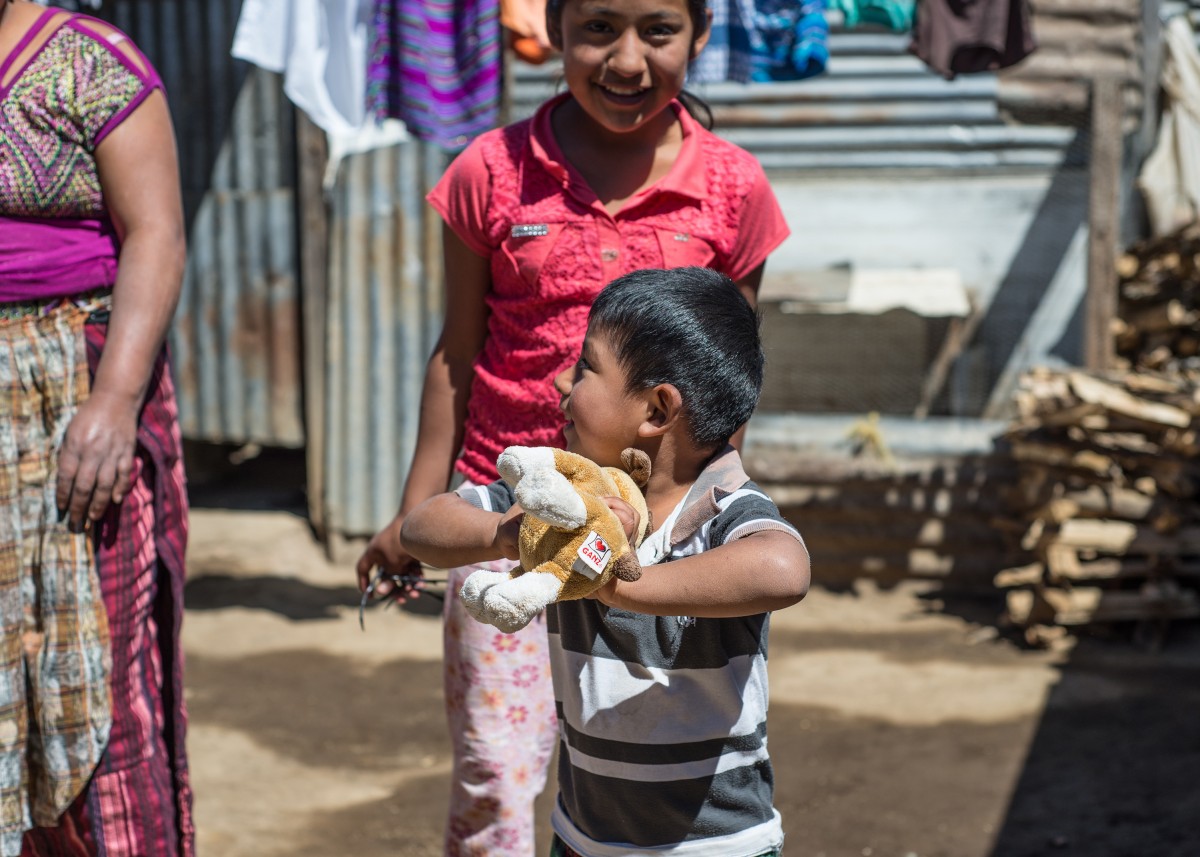
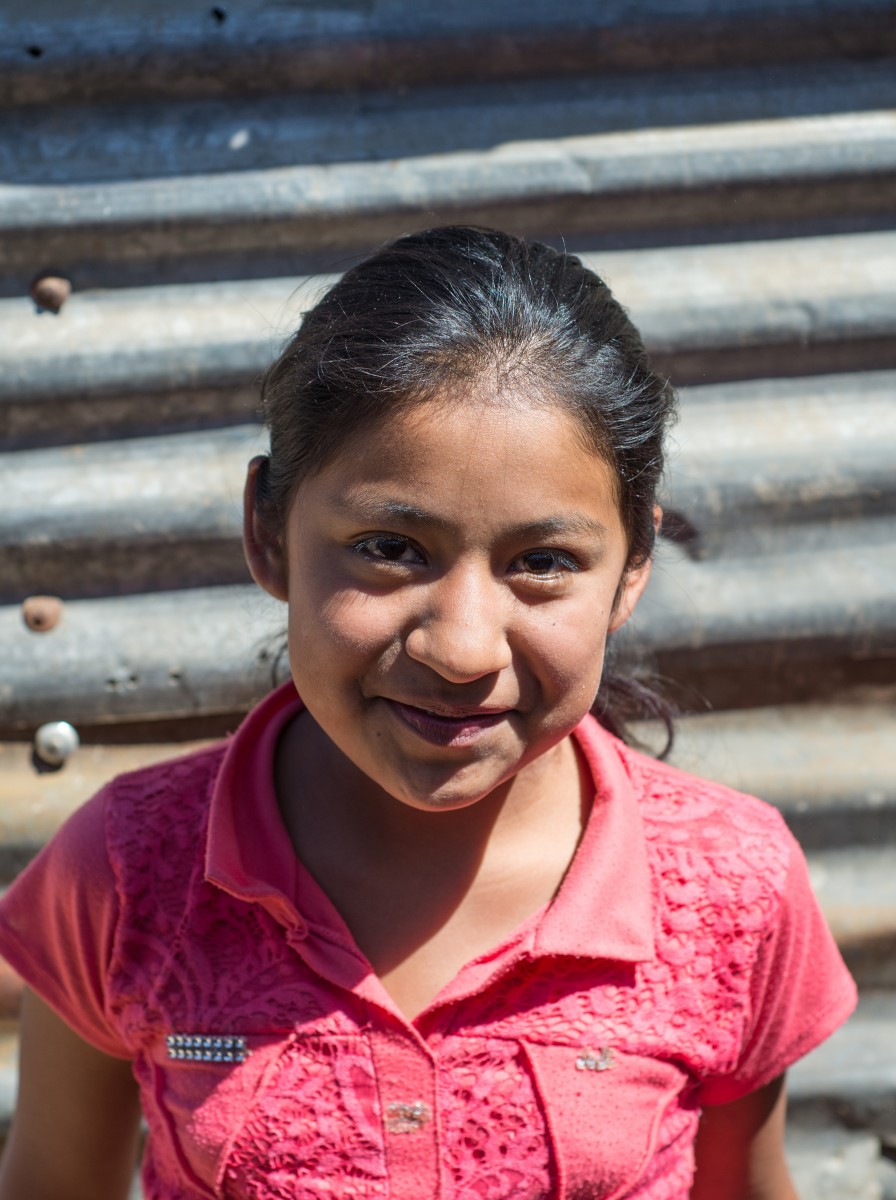
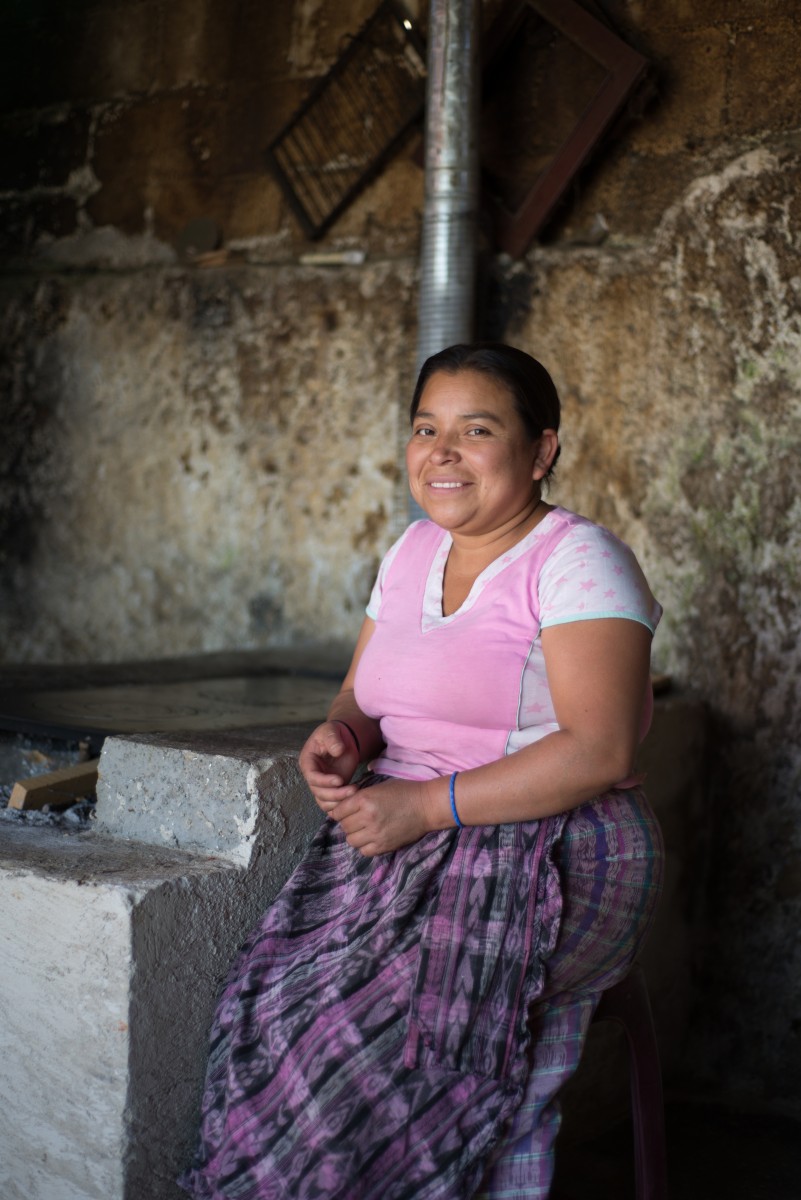
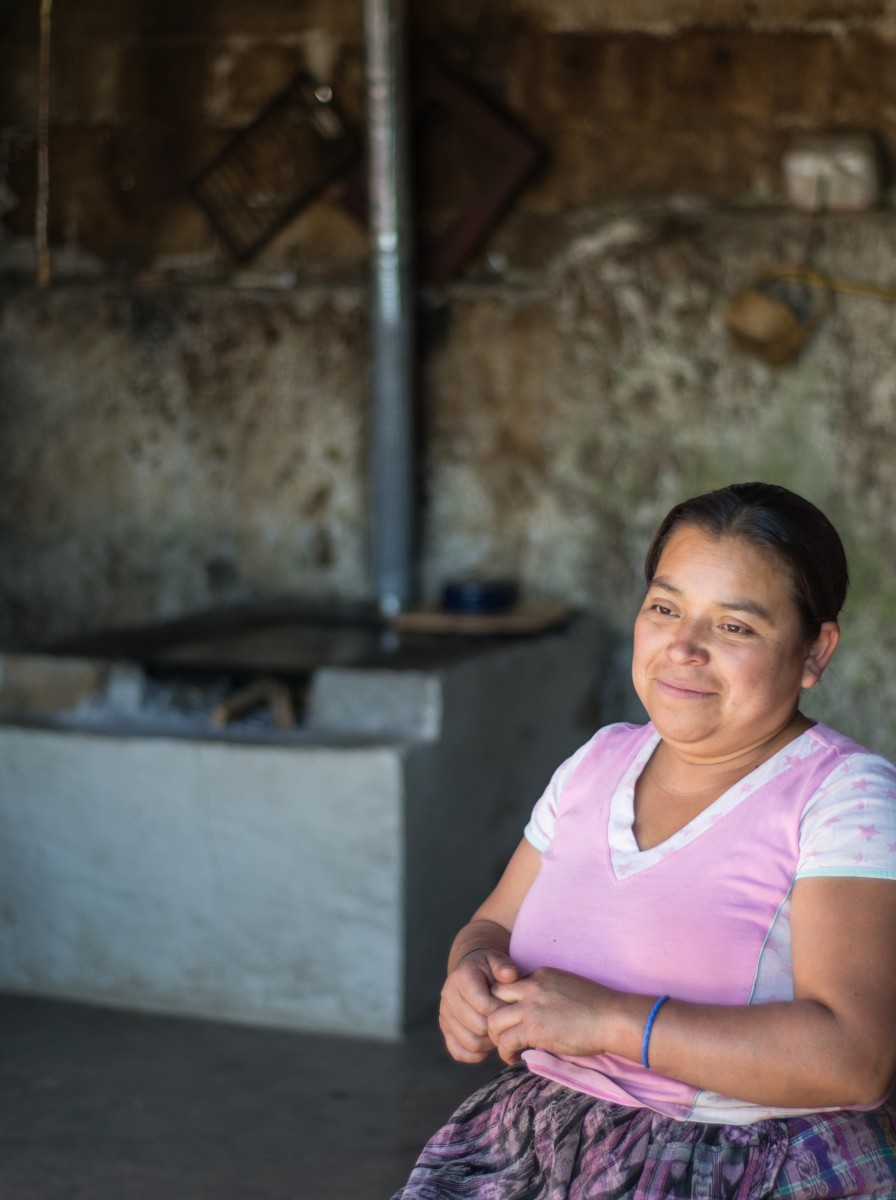
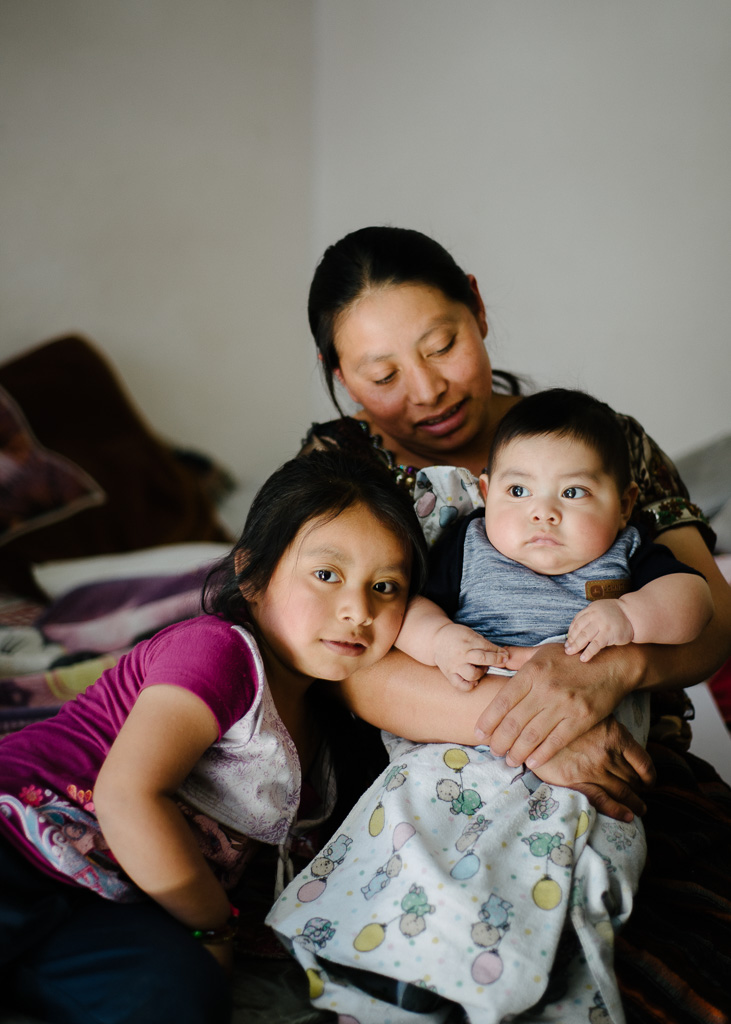
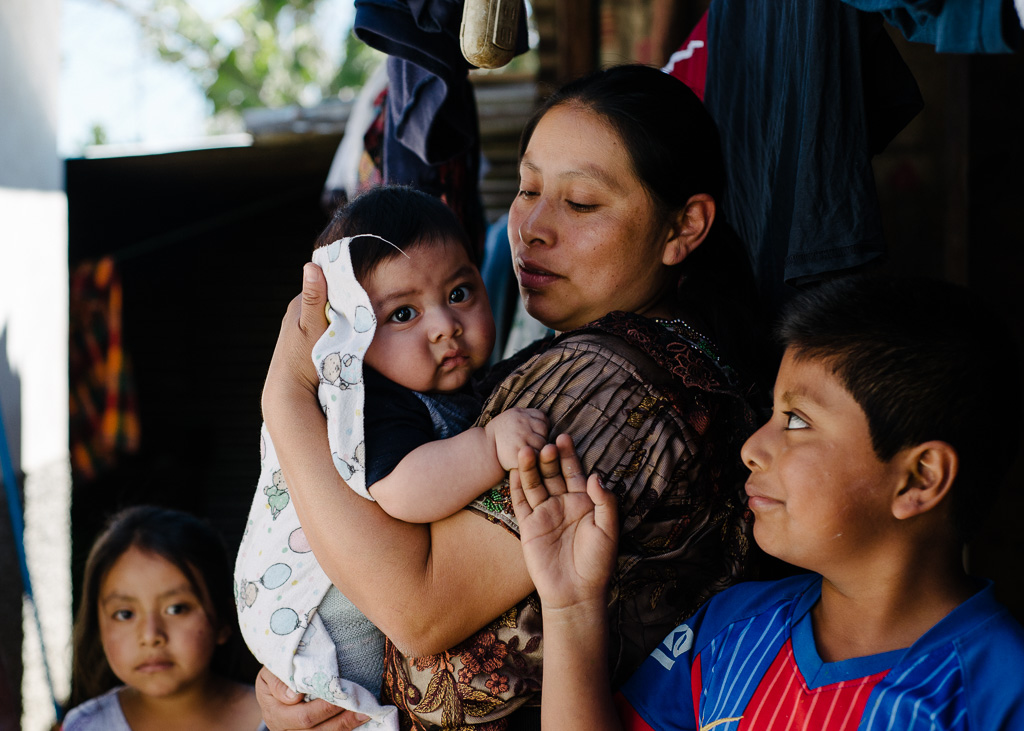
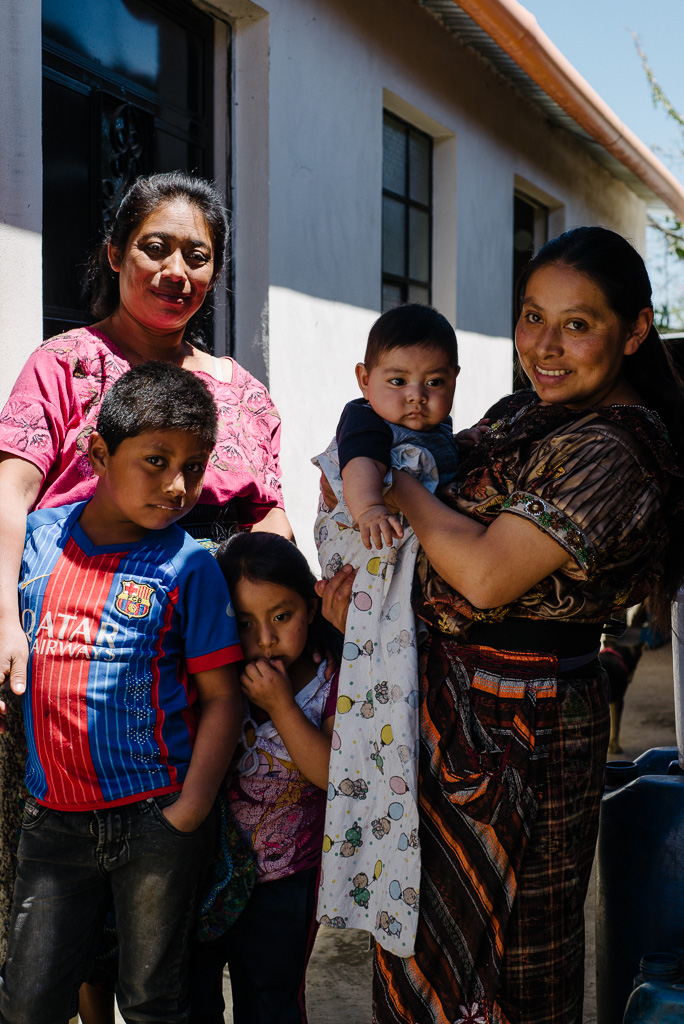
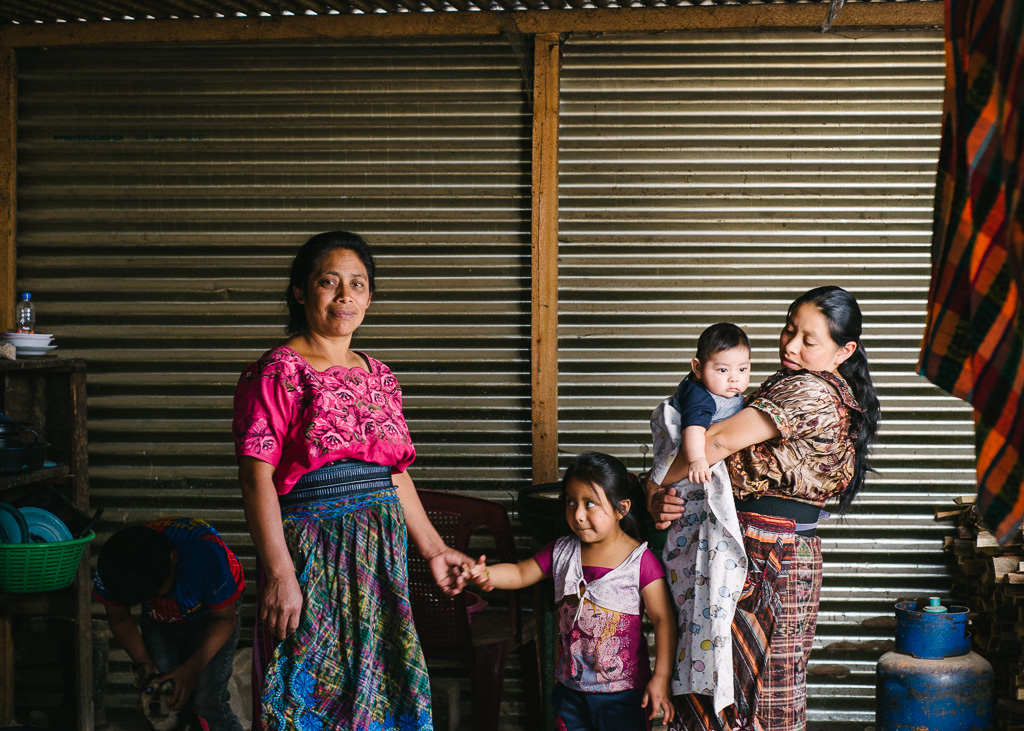
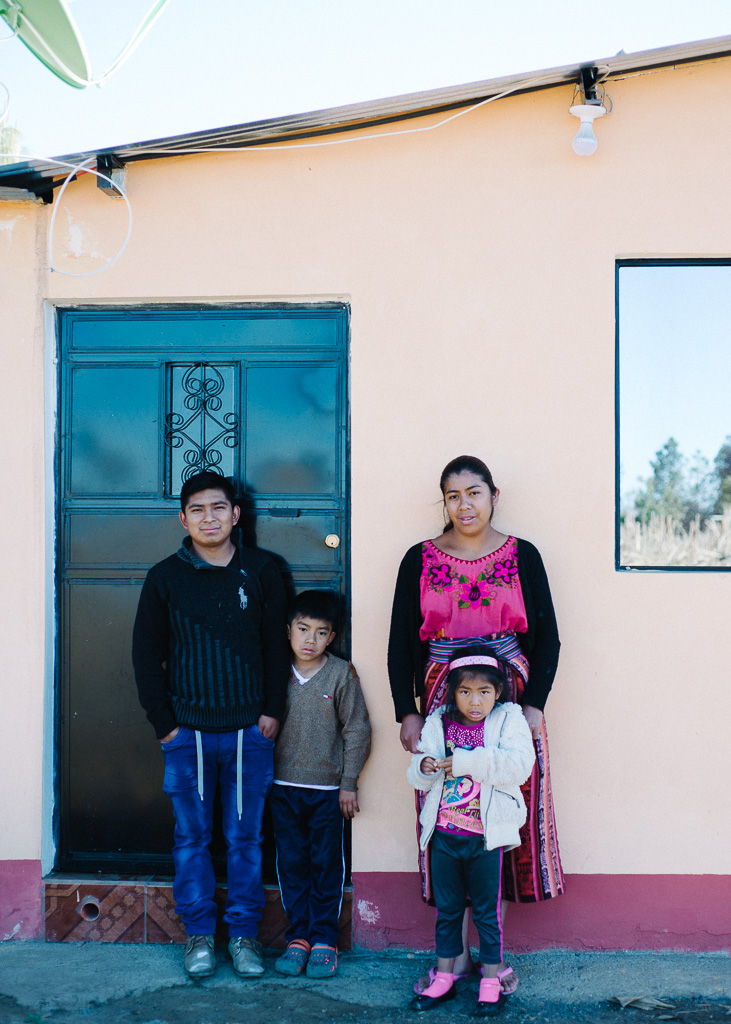
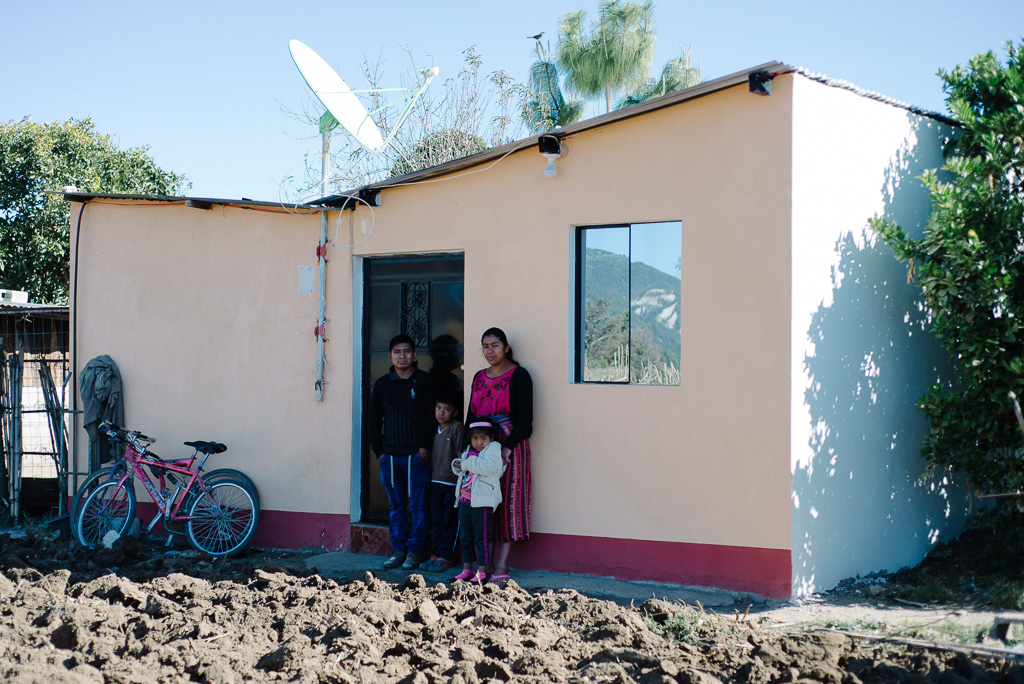
María Esperanza is a single mother of two adorable boys, 5-year-old Paulo and 3-year-old Diego. She owns a shop in Panajachel and before she built her home in San Lucas, she rented a home for her family. When she found affordable land in the San Lucas area, she knew it was a good opportunity to stop renting and build a house, allowing her to save financially and invest in the future of her family.

María explains how owning her own home has improved her life: “Having my home is so different! When I rented a house, we only had two rooms. Now we have more space, I can do what I want with my home, and I don’t have to worry about my boys breaking something in a house that isn’t mine!”
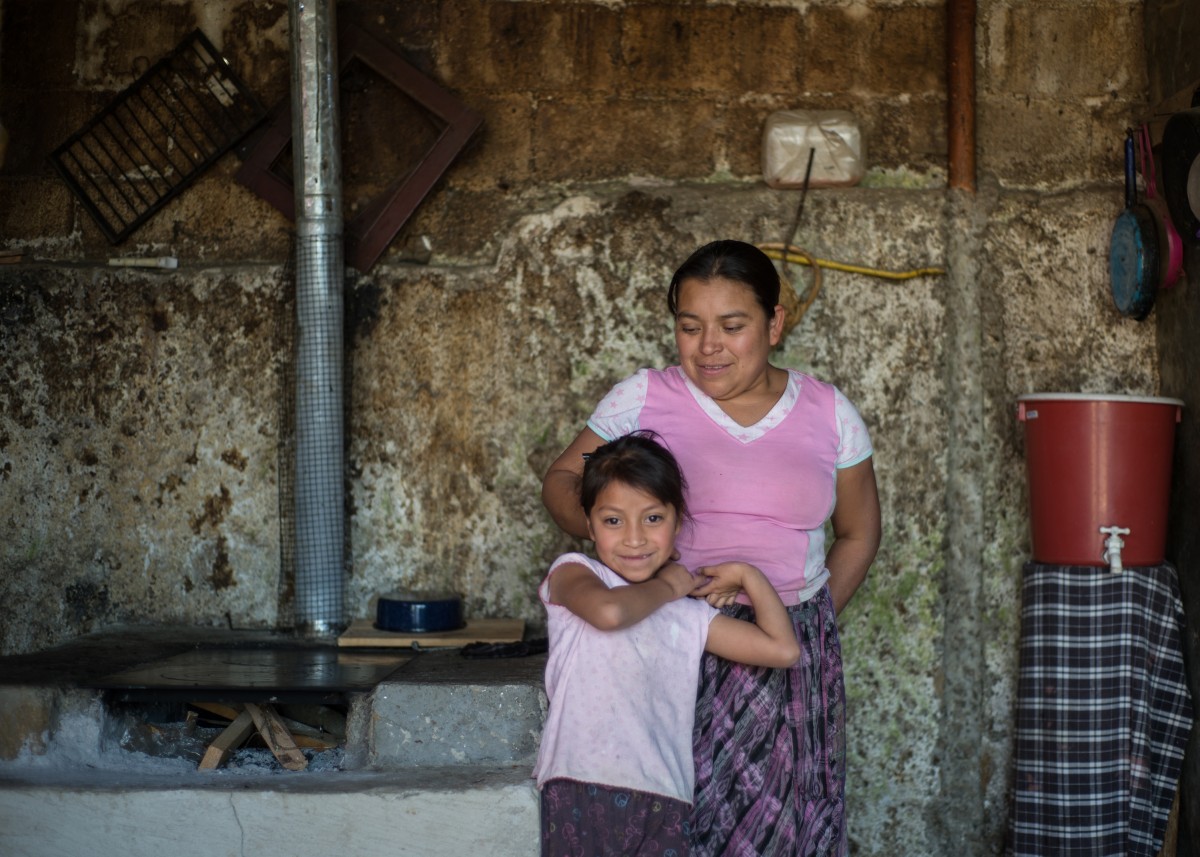
María wants to send a message to the two groups who volunteered to help build her new home: “It was a big help to have the volunteers! I want to say thank you to both groups for their time. It helped speed up the building process so that we could move into the house sooner.”

Smokeless Stoves: Vicenta and Luis

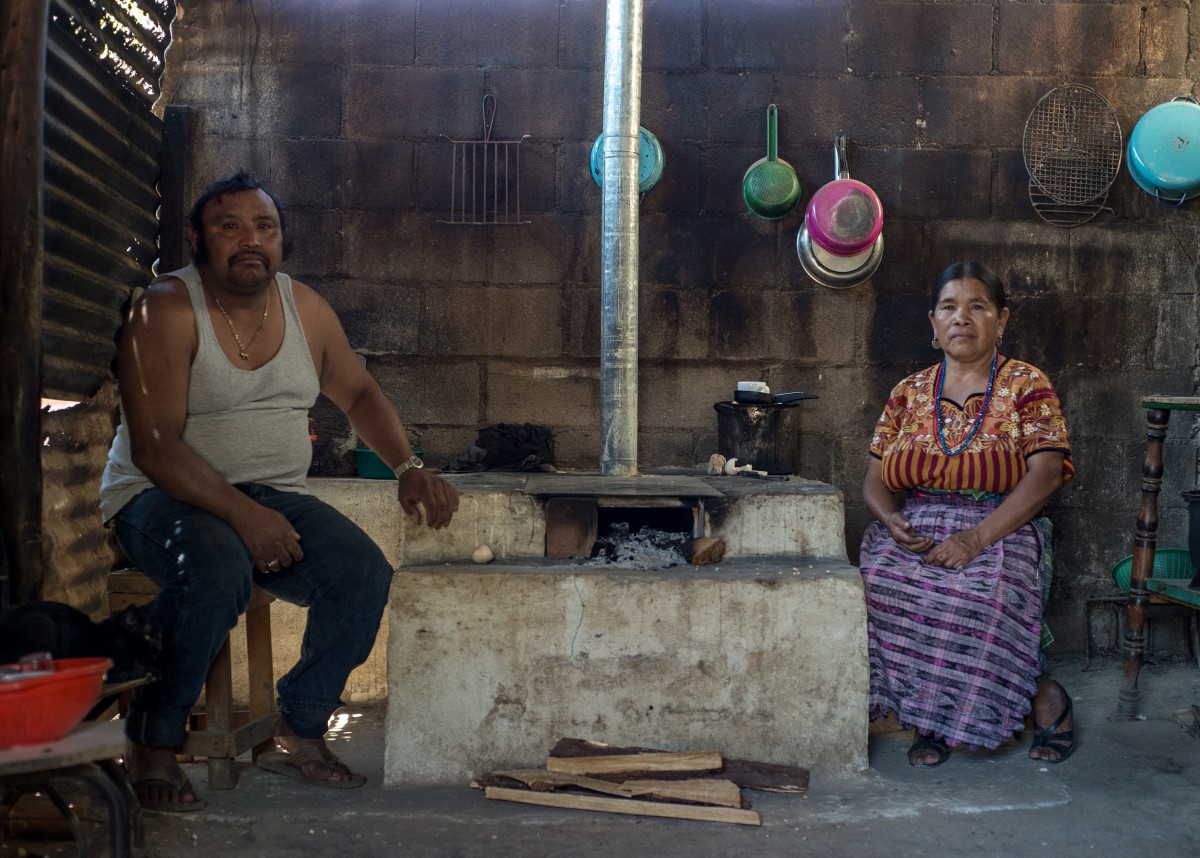
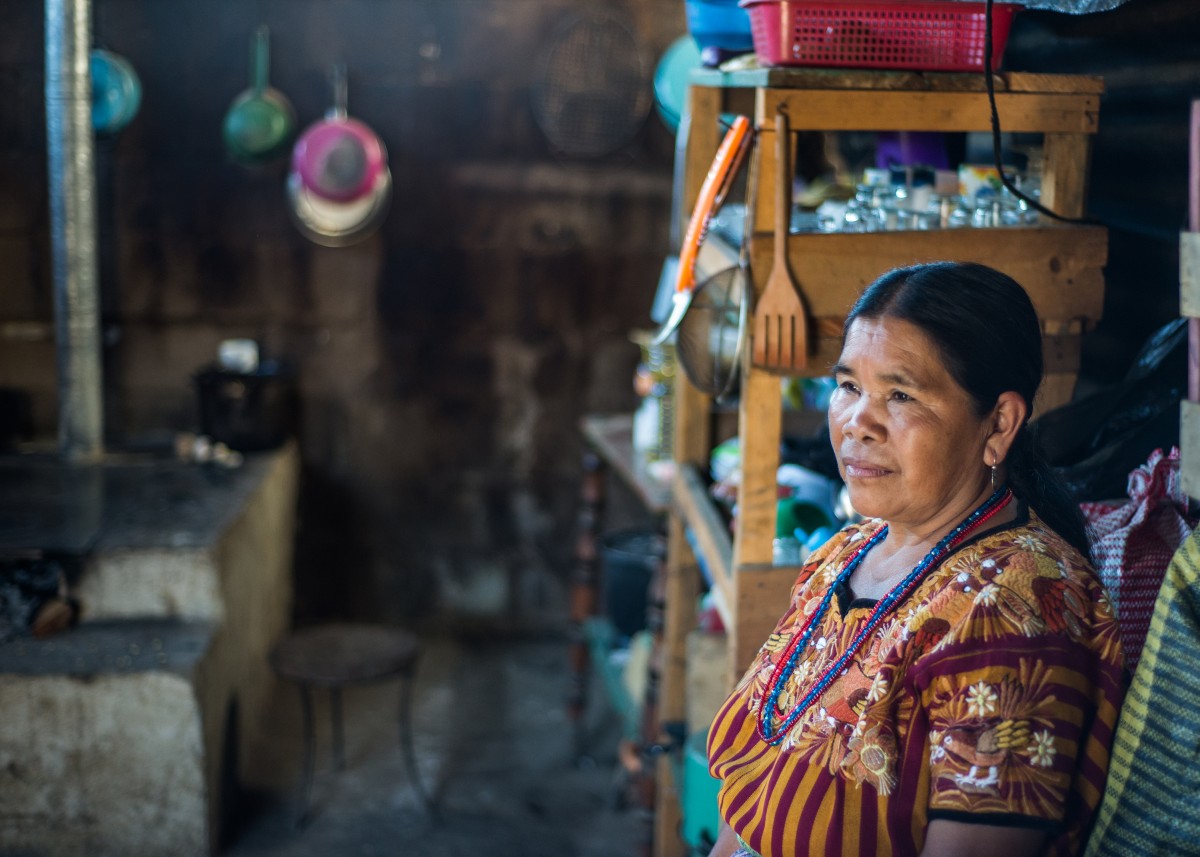
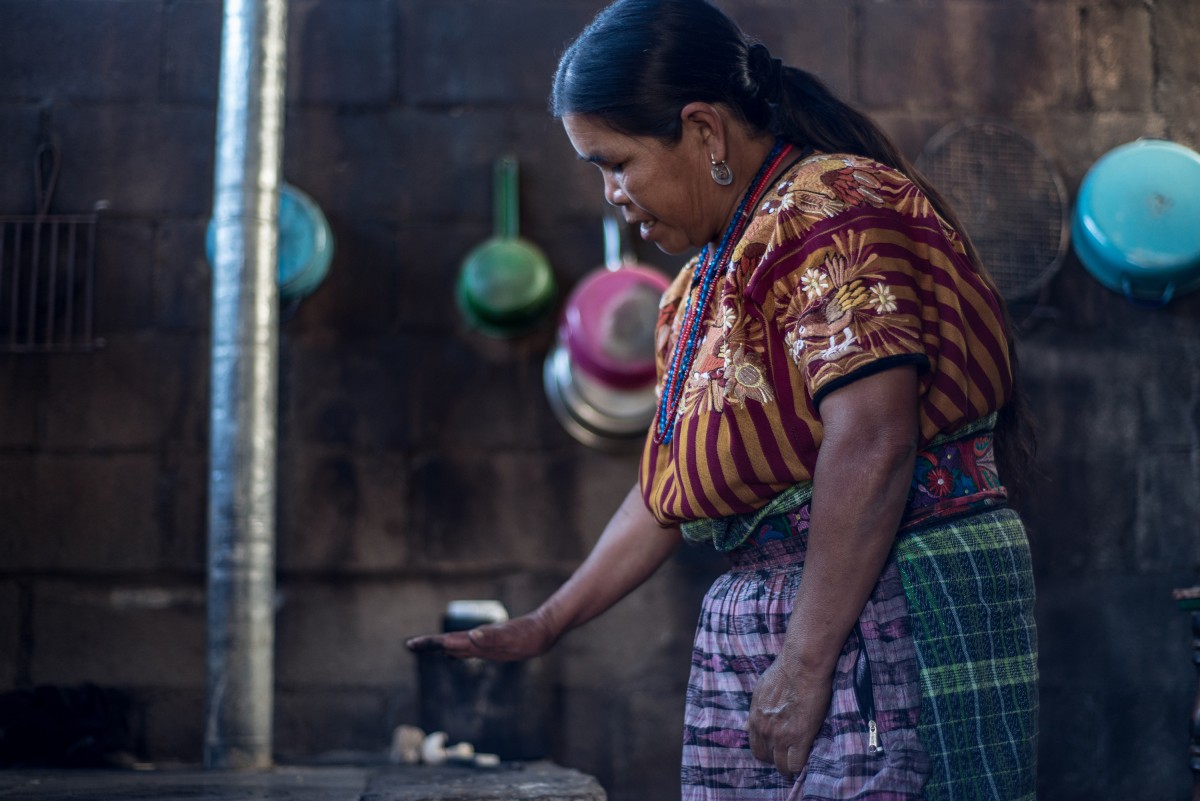
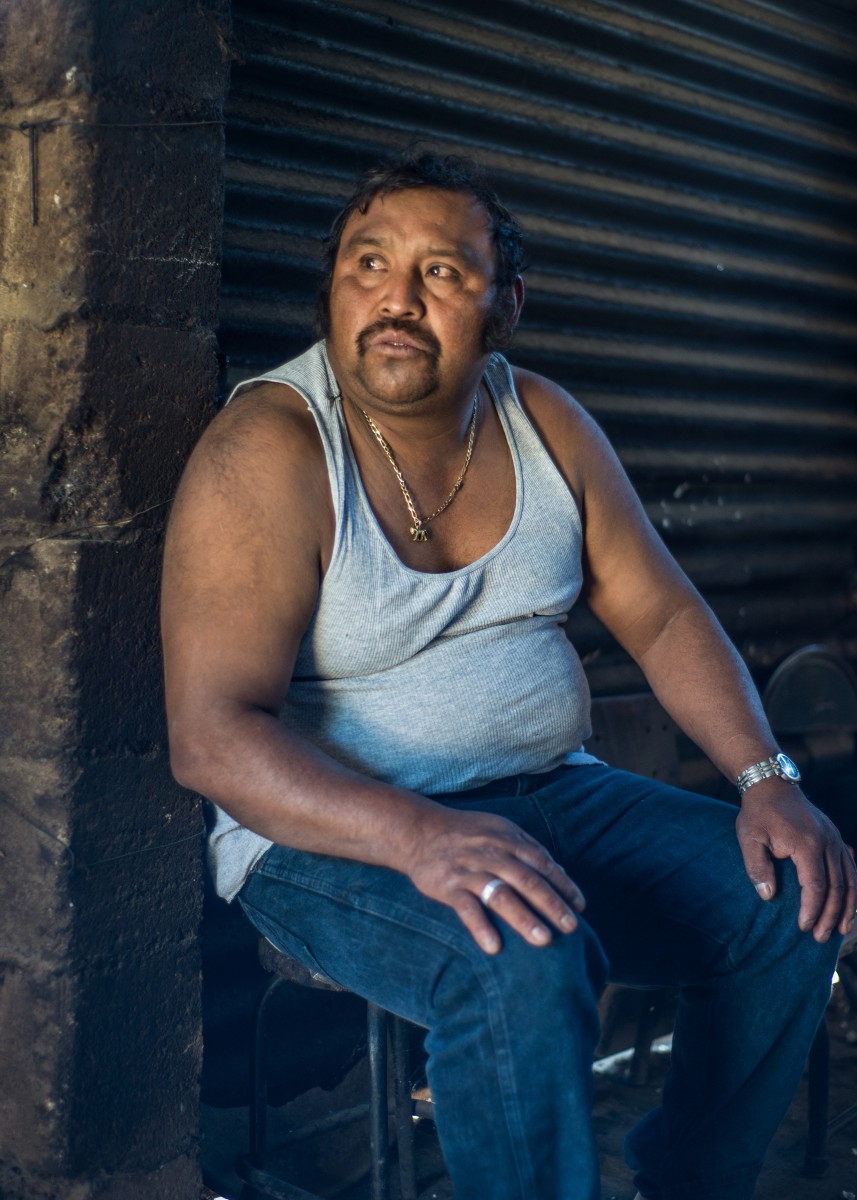
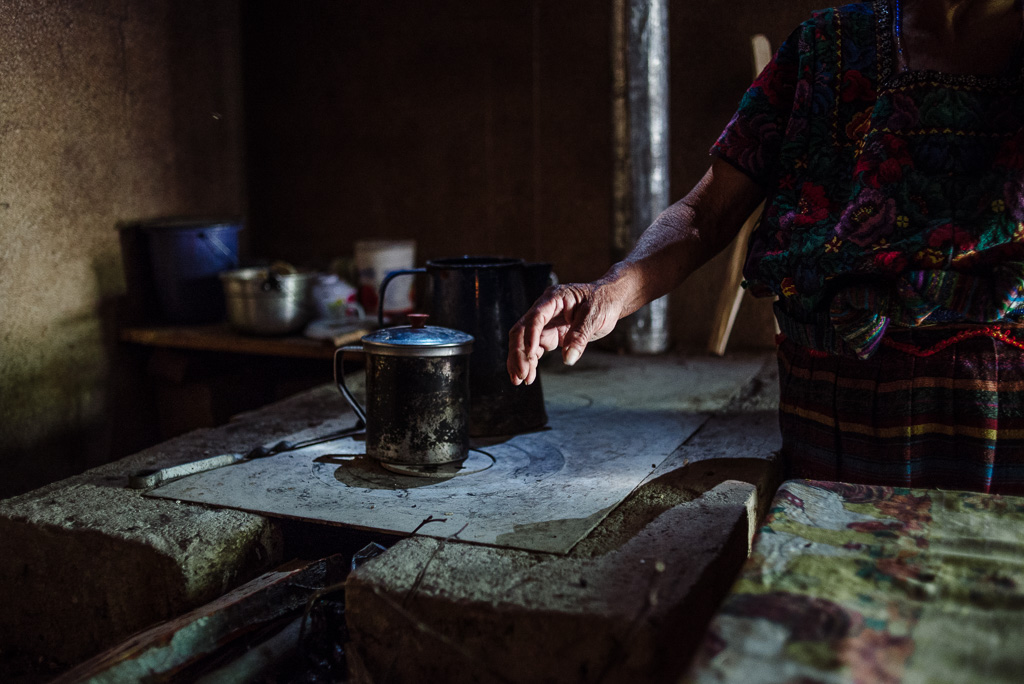
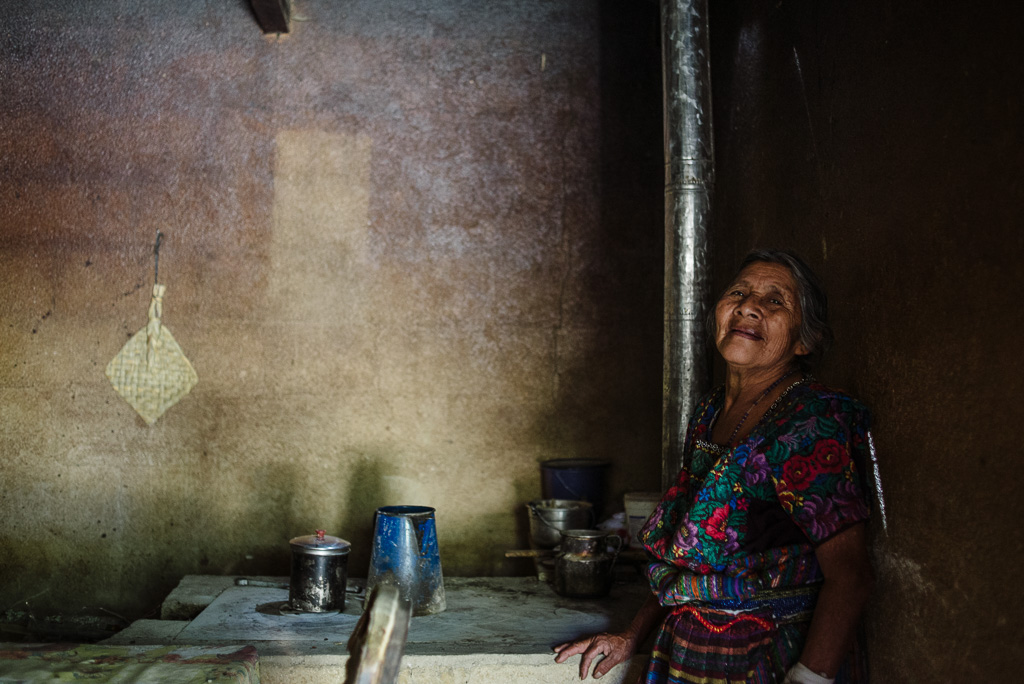
Vicenta and Luis live in the community of El Chipotón in the department of Chimaltenango. They have been married for thirty-two years and have lived in their home just as long. Their seven children live nearby; the youngest is fifteen and the oldest is thirty. Before partnering with Habitat for Humanity Guatemala to build a smokeless stove, Vicenta cooked on the floor of her kitchen. When they learned about the support that Habitat Guatemala offers families in a nearby town, she and Luis decided to contact the local office and see if they qualified for a stove. And they are both happy that they did.

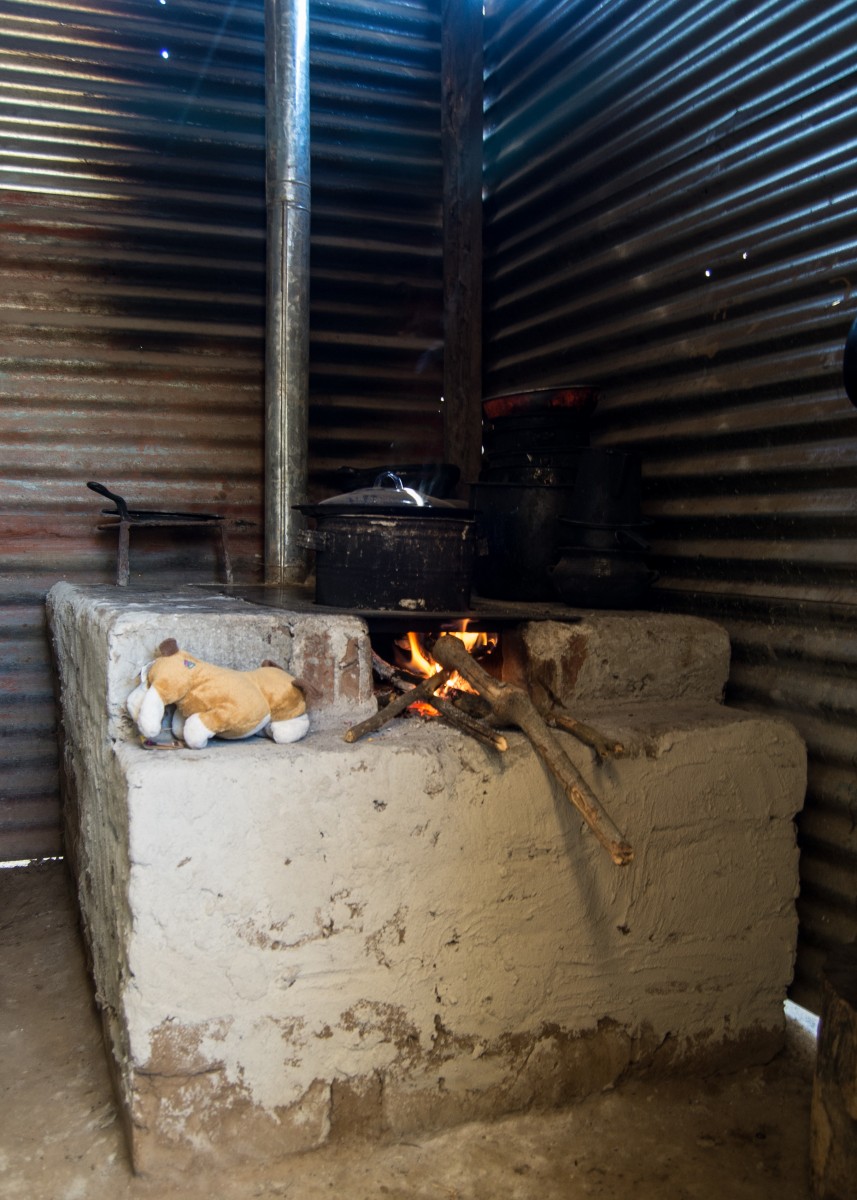
“I buy the wood that I cook with.”, explains Vicenta. “It didn’t used to last as long, but now we use much less wood. The same amount of wood lasts longer.” Luis adds that he has noticed a difference in the amount of smoke in the house as well. “Now the smoke gets carried outside of the house.”, he says. “Before it all stayed in the kitchen.”

The couple agrees that they enjoyed having the volunteers spend time with them and are happy that they all shared a meal together. “The volunteers are good people!” finishes Luis.


Smokeless Stoves: Ana María

Ana María and her family live in El Chipotón, a community in the department of Chimaltenango. She and her husband, Moises, have four children. Before financing a new, smokeless stove with Habitat for Humanity Guatemala, Ana María used an old stove that filled her kitchen with smoke and used double the amount of wood. In this area, people do not have access to land where they can gather their own wood, so they have to buy wood for cooking and warmth in the markets. Deforestation is an issue in Guatemala and this affects families like Ana María’s. For this reason, having a stove that uses wood efficiently has made a positive impact in Ana María’s life.

She explains how her new stove has changed the amount of wood she must buy to take care of her family: “We use much less wood now. The same amount of wood that used to last for one month now lasts for two months.” Ana María also shares that her old stove was very small, which made it challenging to cook food for her entire family. “I can cook more food now!”, she shares. “And my tortillas turn out really well.”

Smokeless Stoves: Norma Elizabeth

Norma Elizabeth lives with her family in El Chipotón, a community in the department of Chimaltenango. She and her husband, a mason, have three children who are 15, 13, and 7 years old. Her oldest and youngest are in school studying and her middle child works.

When she learned about the opportunity to obtain a smokeless stove for her family from a local Habitat Guatemala volunteer, she knew that it was a good opportunity. Norma did not have a stove and so everyday she cooked her family’s food over a fire on the floor of her kitchen. Not only does this method use significantly more wood, but the smoke bothered her eyes and over time would have led to lung problems.

Norma says: “I save wood now. My eyes are being saved because smoke no longer bothers them. I want to thank Paulina, the local volunteer, and the foreign volunteers who supported me in this opportunity!”

The Lopez Family

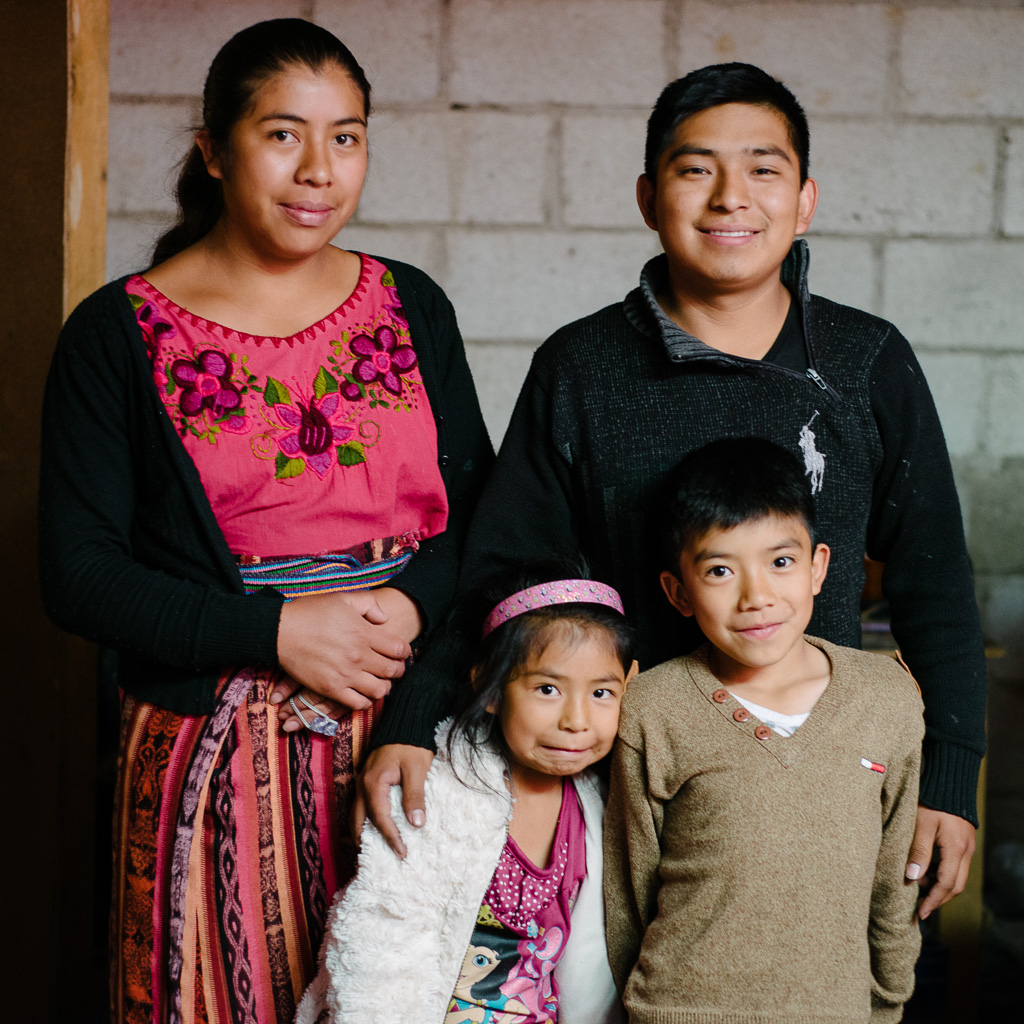
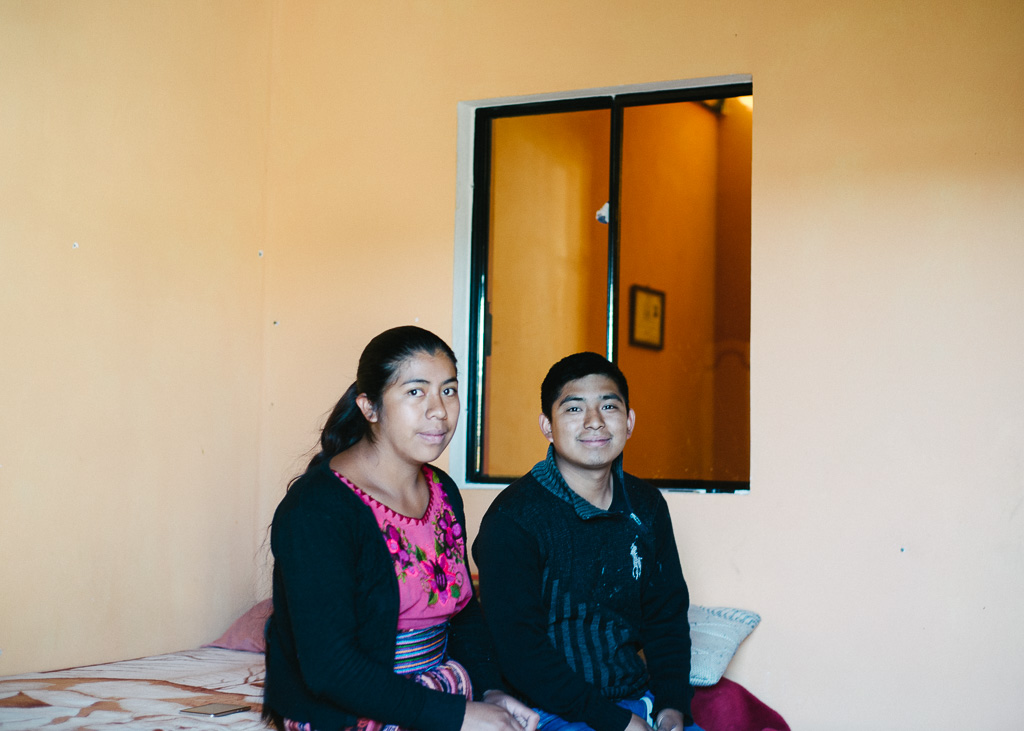
Rosa Lopez lives with her husband, children, mother-in-law Yolanda, and three brothers-in-law in the department of Chimaltenango, Guatemala. Douglas, Rosa’s husband, is a teacher, and his brothers work in agriculture in the surrounding area. When Rosa became pregnant with her youngest son, 5 month old Frank, she and her family decided to partner with Habitat Guatemala to build a new home on their land. Prior to building their new home, they lived in a smaller structure on the same property, but they knew that building a new home would give the new baby and the other children a safe environment in which to grow up.

“We learned about Habitat Guatemala from Doña Emy, the head of the local affiliate.”, explains Yolanda. “Frank, the baby, was the reason we decided to build a new home. Over time, we would like to partner with Habitat again to build more rooms onto our new home.” Rosa says: “We have more space now! Our old walls were made of metal and our new house is made of cement blocks so we are much warmer. Overall, we are more comfortable in our new home.”

Yolanda finishes by saying: “It was a beautiful experience to have the volunteers here with us. We enjoyed having them here! Everything is so good and we are happy to have had the support of Habitat.”

The Ajmac Family

Carlos and Gladis Ajmac live in the department of Tecpán, Guatemala, with their two children. Their son, Esau, is 7 and their daughter, Emili, is 5. Before buying land and partnering with Habitat Guatemala to build their home, the Ajmac family rented a house. “Our rent every month was double what our mortgage is now.”, explains Carlos.

Together, the family runs a sandal making business out of their home; They have two employees and sell the sandals at local markets in the department. After 5 years of renting, they are happy to have more space where they can run their business and be together as a family.

“We were sad when the volunteers left!”, exclaims Gladis. “But, thanks to God, we are happy and more comfortable in our new home.”


Smokeless Stoves: Ramona Yaxon

Ramona Yaxon  lives in Sololá, Guatemala, with her husband. Her ten children are married and live with their families, so she and her husband live alone in their house. When her children moved out, they moved the kitchen area into a different part of the house so that they would have more room.

“My old stove worked,” explains Ramona, “but over time it deteriorated. It used a lot of wood and filled the kitchen with smoke.”

“My new stove works perfectly!”, Ramona exclaims. “I can use wood, pine cones, or corn hulls and it burns well. While I cook, my husband sits at a table next to the stove and we talk. We are never far apart.”

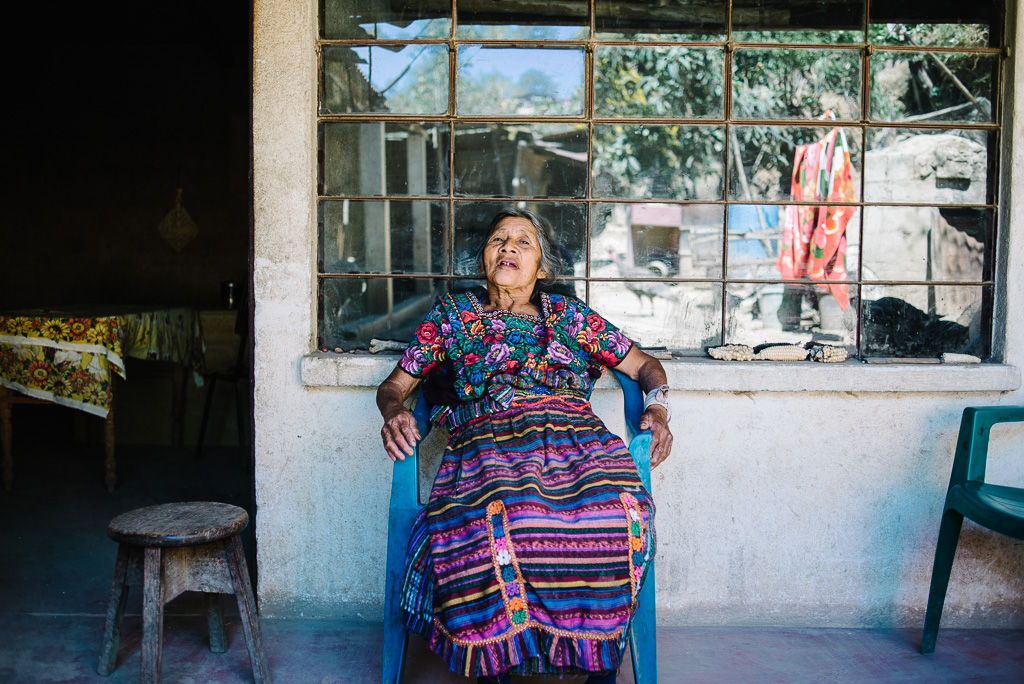
Sitting outside in the sun, Ramona talks about her life. “We have some land and my husband grows corn that he sells. And I raise ducks! I used to have pigs too, but one day I fell and hurt my knee. My kids told me I was too old to raise pigs anymore. You need a lot of strength for that! I wanted to raise pigs in my courtyard but they said no. So now I just have ducks.”

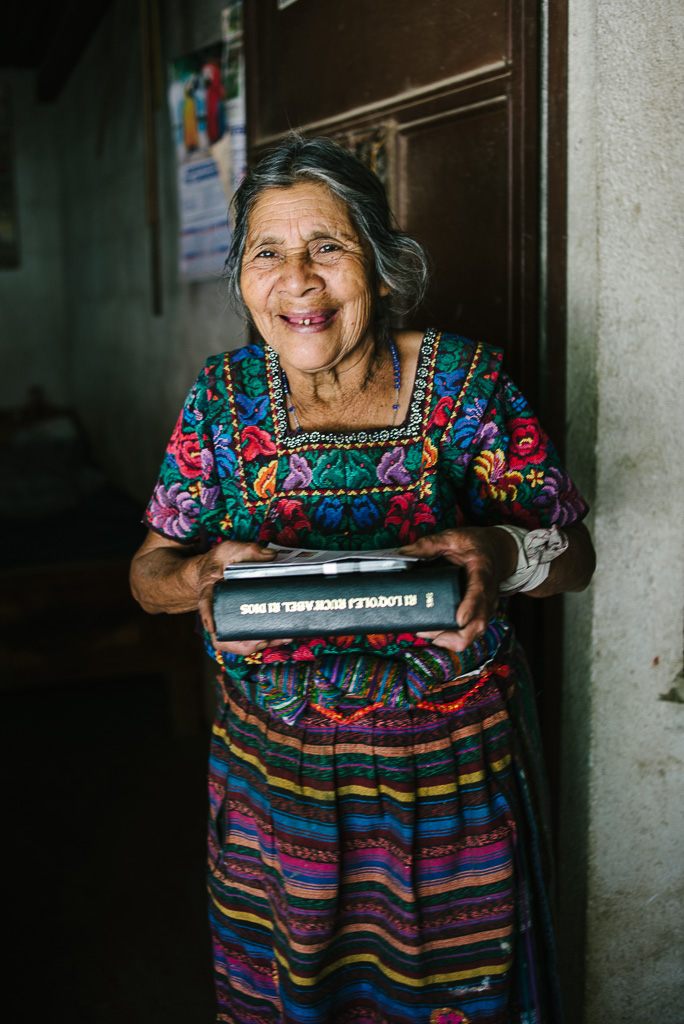
Ramona is Maya and in her part of Guatemala the language that is spoken is Kaqchikel. Recently, Ramona shares, she has started studying the Bible with two American Jehovah’s Witnesses missionaries who have given her a Bible in her language. “I lived my whole life without religion.”, Ramona explains. “And I am old but I have asked God for a few more years on earth so that I can enjoy my new stove!”

Smokeless Stoves: The Simalaj Family

“My new stove works so well–it cooks my tortillas fast and they turn out well!”, Carolina Simalaj explains. “My old stove burned food, used much more wood, and created a lot of smoke. The smoke bothered my eyes while I was cooking.”

Carolina lives with her husband Isaias and their three sons: 5 year old Peter, 3 year old Christian, and 1 year old Ivan in Sololá. They are Healthy Home Kit beneficiaries and in addition to a new smokeless stove, they also now have a sanitary latrine and a water filter.

The family is also very happy to have a water filter. 95% of water in Guatemala is contaminated which leads to a variety of parasites and illnesses. “Before we had a water filter our stomachs hurt often,” Carolina says. With a water filter, this is no longer an issue and Carolina is happy that her boys no longer have to experience stomach pain as a result of drinking contaminated water.

Christian, age 3, and Peter, age 5, with their new sanitary latrine.

“The new latrine is much more comfortable; it’s clean and healthy.”, continues Carolina. The old latrine, shown below, was made of sugar cane stalk and various cloth materials. Now, the family has a stable structure made from wood and metal that provides protection from the elements. This is especially important during Guatemala’s rainy season, during which it rains heavily for several hours a day.

Carolina also wants to thank the volunteers who supported her family by volunteering to build the latrine and stove. “Thank you for your support!” she concludes.

x
¡Hola! ¿Cómo podemos ayudarte? Haz click para escribirnos.