Latest News
My latest ramblings.
Enjoy! I definitely got important things to say


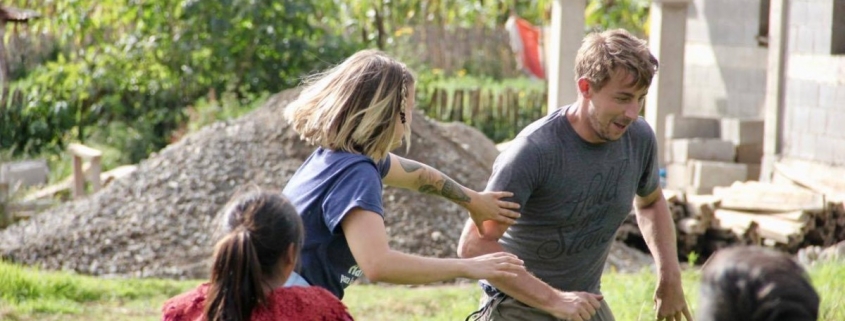
I’ve been the Coordinator of the GV program for going on four years now. I grew up in the Washington DC area in a multi-cultural household. One of the many factors that lead me to work in Guatemala. Outside of work (sometimes while working) you can usually find me spending time with my dog or playing the guitar and singing badly.
I very much believe in the ethos of a hand up and not a hand out. Each family I have had the blessing to work with has furthered my gratitude and commitment to Habitat’s mission. Not only that, I am awed at the number of families that Habitat is able to serve each year.
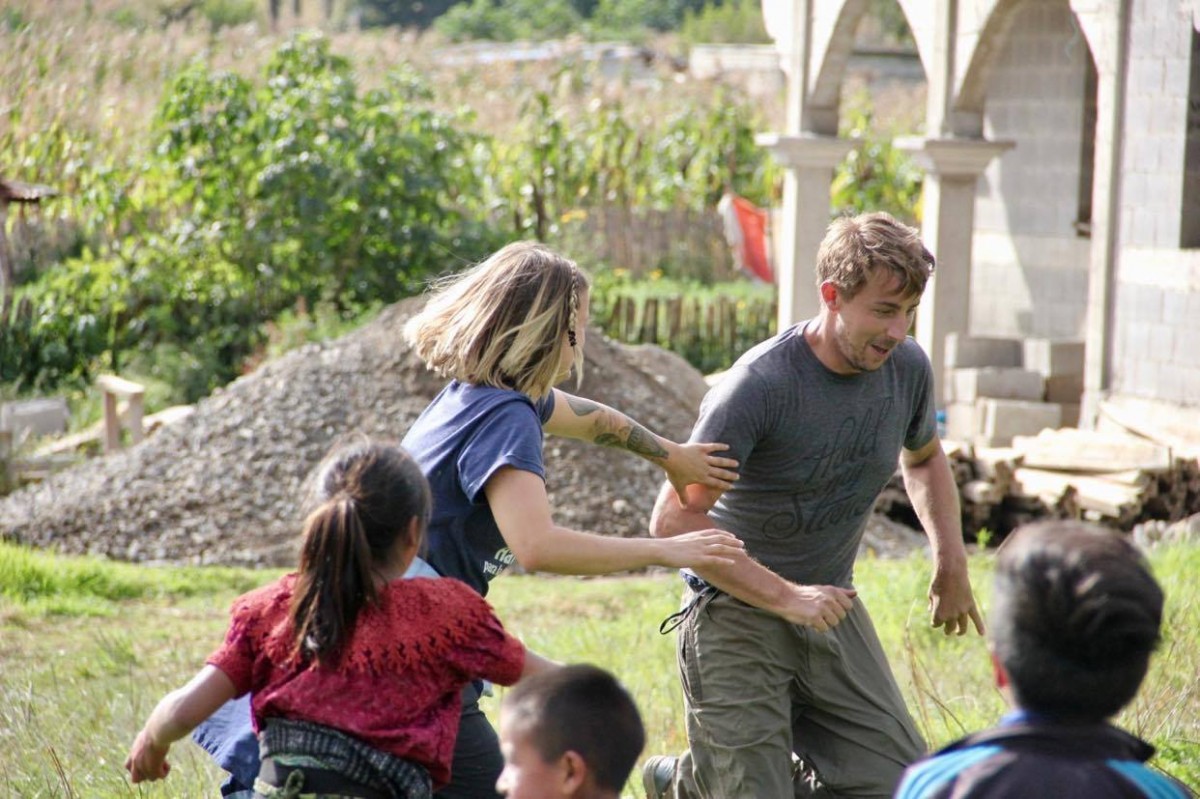
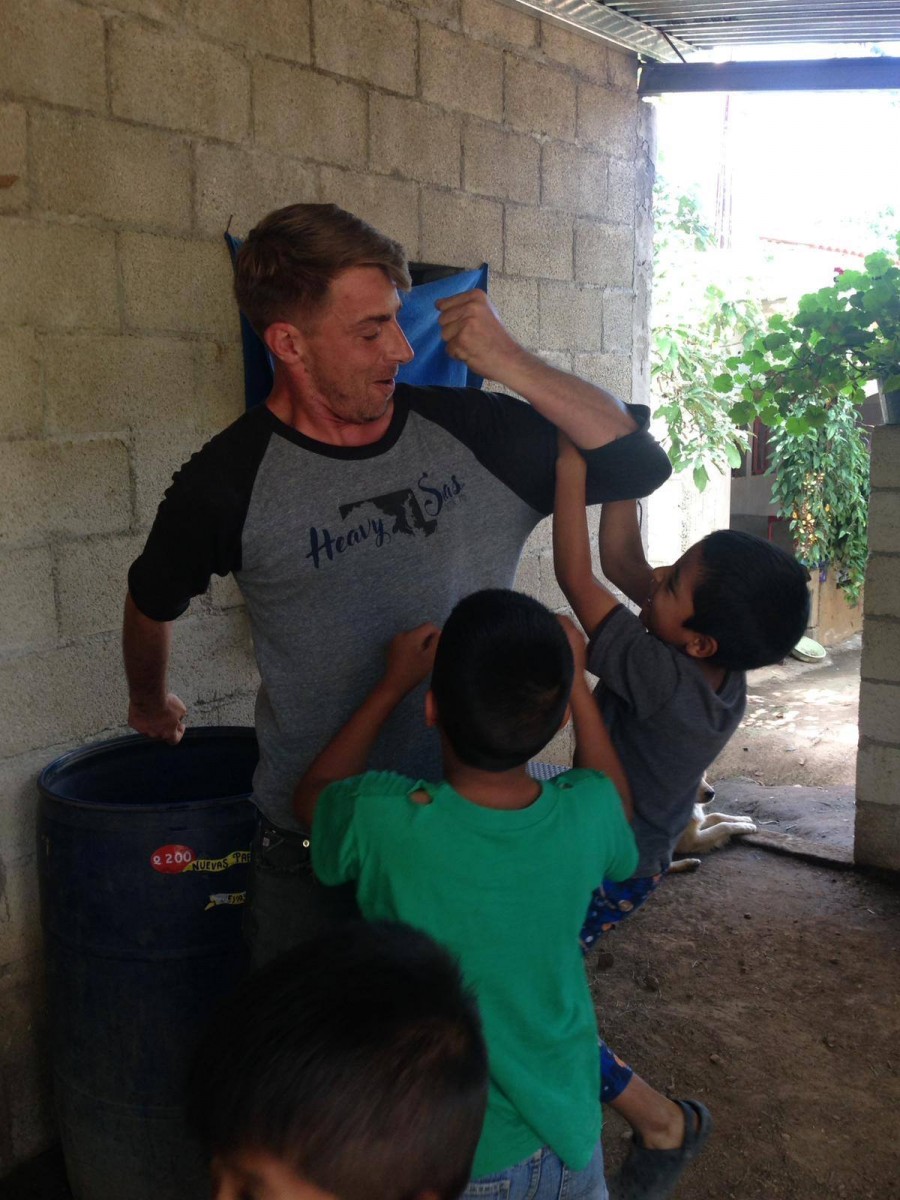
By far my biggest joy is the opportunity to work in the field with our families and volunteers. Being on a Habitat Guatemala jobsite is a special experience. Seeing folks who from different cultures, who don’t even speak the same languages work hand in hand, form emotional bonds, and share joy in difficult conditions is always an unforgettable experience and one that I never get tired of participating in. Also, if I ever get tired of the construction work there are always plenty of kids around to entertain! Many of the places we work with groups it can be quite rare for them to receive groups of foreigners in any context, so it’s always a special occasion. By the end of the week the goodbye ceremonies are always meaningful and on many occasions, I’ve had to dry my eyes a little bit. Over the years I cannot count the inspiring folks I have been lucky enough to meet and learn from including our partner families, masons, drivers, cooks, and volunteers.
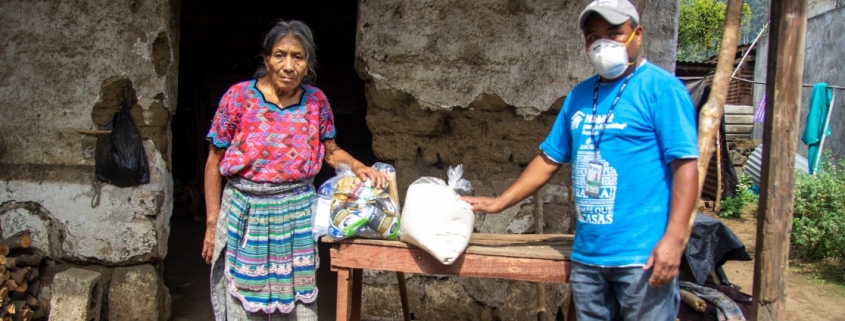
En Hábitat seguimos trabajando para apoyar a las familias más vulnerables ante el COVID-19, por medio de nuestra campaña Alimentos del Corazón estaremos beneficiando a más de 2 mil familias en las comunidades de nuestro país.

En respuesta a ello y gracias al apoyo de empresas, hace 15 días se entregó 250 kits de alimentos a familias de El Rejón, Chimaltenango y en Santo Domingo Xenacoj, Sacatepéquez.
Hoy 27 de mayo, se entregaron 100 kits de alimentos y salud, en 10 comunidades de San Lucas Tolimán, Sololá.
El Kit Alimentos del corazón contiene: harina de maíz, frijol, azúcar, atol, arroz, pasta, aceite, sal, sopas de sobre, 6 mascarillas y dos botes de gel antibacterial.
Esto ha sido posible gracias al apoyo de donantes nacionales e internacionales, personas individuales, colegios y organizaciones que se sumaron a la causa.
En Hábitat estamos comprometidos en seguir buscando el camino para transformar la calidad de vida de los guatemaltecos y ayudarlos a enfrentar esta crisis que nos ha dejado el COVID-19. Es momento de unirnos y cuidar la salud, la vida y la seguridad de las comunidades.
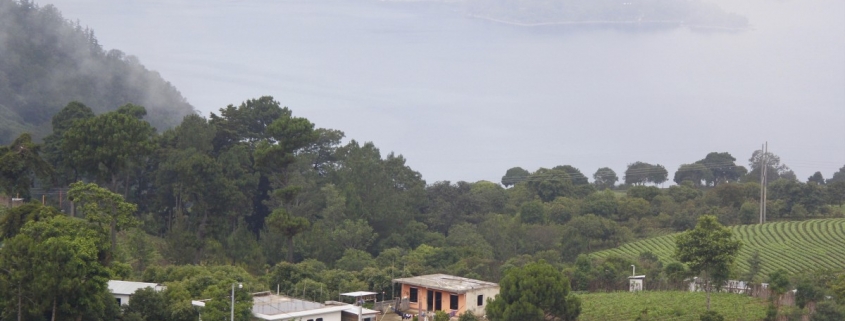
Mario Joaquín López nuestro Coordinador de Proyectos Especiales, explica el impacto del COVID-19 en Guatemala y nuestra respuesta al mismo. En Guatemala se registraron 3,954 casos confirmados, 289 casos de personas que se recuperaron y 63 muertes hasta el momento de la redacción de esta publicación (27 de mayo 2020). Si consideramos que la población de Guatemala es de aproximadamente 15 millones de personas, la cantidad de casos es relativamente baja en comparación con otros países de América Central[1]. Sin embargo, según la Organización Panamericana de la salud (OPS), las próximas semanas podría observarse un incremento en la cantidad de personas infectadas y muertes en toda América Latina. Esto dependerá en gran medida de las reglamentaciones que adopte cada país[2].
Si bien el sistema de salud de Guatemala es débil y la cobertura es escasa[3], durante las últimas semanas el gobierno adoptó medidas específicas para enfrentar la pandemia. Se implementó una cuarentena desde el 16 de marzo, se cerraron las fronteras marítimas, terrestres y aéreas, se estableció un toque de queda, se restringieron los viajes entre departamentos (áreas geográficas similares a los estados), se suspendió el transporte público y se cerraron los centros comerciales (salvo las actividades económicas vinculadas a los productos esenciales). Estas medidas, sumadas a la apertura de hospitales provisorios en diferentes puntos del país, pretenden reducir la propagación del virus, que aún no tiene cura y genera una enorme incertidumbre con respecto al futuro.
La suspensión del trabajo y la recomendación de quedarse en casa en un contexto en el que la mayor parte de los empleos (70 por ciento) son informales, más de tres de cada cinco personas (61,6 por ciento) viven en situación de pobreza, prácticamente una de cada cuatro personas (23 por ciento) vive en situación de pobreza extrema[4] y la mitad de los niños (50 por ciento) sufren desnutrición crónica[5] han afectado a las familias de varias maneras[6].
La situación de las familias que hoy viven en estado de pobreza pasará a ser extrema. Una infinidad de familias se quedarán sin su medio de vida y no podrán enfrentar el costo de los servicios básicos. La seguridad alimentaria de muchos estará en riesgo, y, en zonas de climas vulnerables, los efectos de la sequía harán que sea imposible cultivar para vivir[7].
En la actualidad, el gobierno está brindando asistencia a 200.000 familias[8], proporcionando alimentos y vales de dinero durante tres meses, lo cual podría beneficiar a 1,2 millones de personas. Sin embargo, esta cobertura subestima que son 3,4 millones las personas que viven en situación de pobreza extrema. Además, una gran parte de esta población vulnerable vive en zonas rurales remotas en las que no podrán mantener su medio de vida ni tendrán acceso al apoyo del gobierno.
De este contexto surge la intención de Hábitat para la Humanidad Guatemala de colaborar con las familias y comunidades de regiones vulnerables. A través de una red de donantes nacionales e internacionales, Hábitat está recaudando fondos para ayudar a quienes más lo necesitan, en tres etapas.
La primera involucrará trabajos de respuesta junto a nuestra red de líderes comunitarios y voluntarios de zonas rurales, para identificar a las familias que necesitan ayuda. Esta etapa incluirá la provisión de artículos básicos que cubrirán el déficit de alimentos durante un mes. También se distribuirán kits de higiene para prevenir la propagación del virus y garantizar la salud y la higiene en las casas durante varios meses. Se les asignarán vales de dinero a las familias para que puedan cubrir los costos de servicios básicos (agua potable, energía eléctrica, recolección de residuos, alquiler). Este proceso se implementará conjuntamente con campañas públicas y programas de promoción para evitar el contagio y fomentar hábitos de salud en los hogares, mediante material visual y audiovisual en las lenguas locales.
La segunda etapa se enfocará en trabajos de recuperación, con el fin de fortalecer los medios de vida de muchas personas, por ejemplo, la cría de aves de corral, para garantizar el acceso a proteínas (carne y huevos). Esta etapa también incluye trabajos en las casas para asegurar el acceso al agua, sistemas de saneamiento adecuados y mejoras en las estructuras físicas de las construcciones.
La tercera etapa será de mitigación y se implementará a largo plazo. En este período se promoverá la construcción social de resiliencia, mediante capacitaciones regulares y el desarrollo de talleres para los líderes y las familias de la comunidad. En este proceso, se implementarán proyectos productivos sostenibles y permanentes, como jardines familiares.
Nuestro objetivo es llegar a más de 5.000 familias de zonas rurales remotas que no están recibiendo ayuda de otros programas. Sin embargo, para lograr esto aún se requieren fondos y la esperanza de que puedan reanudarse las actividades normales. Esto estará sujeto a que la cantidad de personas infectadas en las áreas rurales disminuya. Lo que ocurra con la tasa de infección durante las próximas semanas será decisivo para poder asistir a las familias que más están sufriendo la cuarentena.
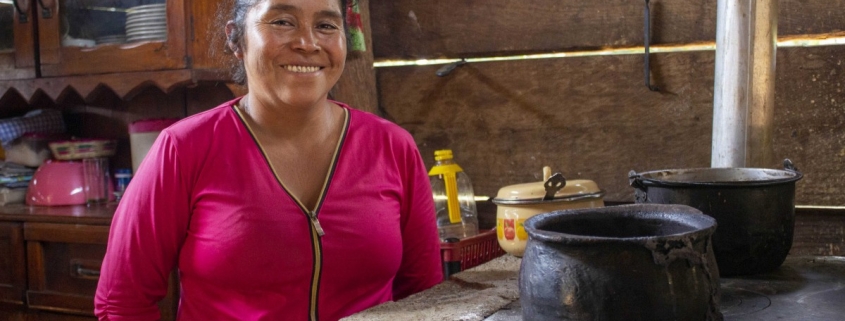
Con nuestro Programa de Atención a la Extrema Pobreza que incluye un Kit saludable les brindamos a las familias la oportunidad de mejorar su salud y reducir la desnutrición, logrando el desarrollo comunitario.
Los apoyamos con 3 productos que son:
Este programa se implementa en todas las comunidades del país para atender a las familias que se encuentran vulnerables y con esto queremos que los niños, adultos y personas de la tercera edad tengan un futuro más saludable en su comunidad.
El departamento de Baja Verapaz cuenta con comunidades poco accesible y se recorren largas distancias para llegar a una comunidad en específico. La comunidad El Aguacate se encuentra a una hora y media de la cabecera departamental en un camino totalmente de terracería y que no cuenta con servicio de transporte público.
En la comunidad El Aguacate, más de 25 familias fueron beneficiadas con nuestros productos, esperando que puedan mejorar su calidad de vida y desarrollo comunitario.
Doña María Reina Ramírez, presidenta del COCODE de la comunidad, nos cuenta que está muy agradecida por el apoyo que Hábitat les ha brindado a las familias.
“Me siento muy contenta de ayudar a mi comunidad, porque sabemos que a veces nos dejan olvidados pero Hábitat no, siempre nos acompaña”.
Juntos a las personas de las comunidades trabajamos para construir o mejorar un lugar al cual llamar hogar. En Hábitat buscamos que las familias
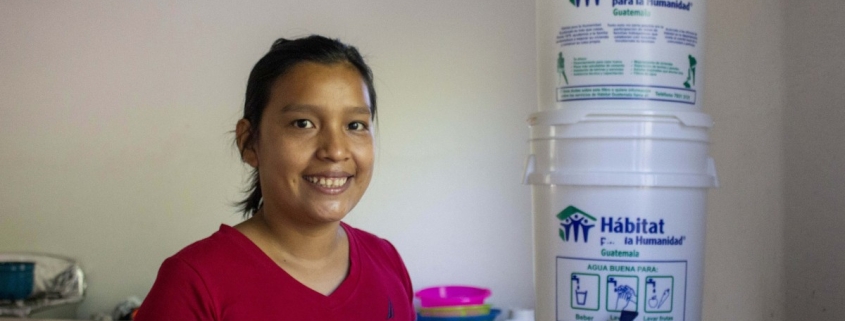
Angélica es maestra en una escuela ubicada en el municipio Cuyuta, Masagua, Escuintla. Vive junto con su esposo Lainiker y su hija de 6 años.
Durante un largo tiempo ella y su familia se encontraban viviendo en una casa construida la mitad de block y la otra mitad con lámina deteriorada, la vivienda contaba con piso de tierra y en temporadas de lluvia no solo se le llenaba de lodo su vivienda sino también no podían descansar tranquilos.
El lugar en donde vivían era demasiado pequeño, ninguno tenia un espacio propio y su hija no tenía en donde jugar. Por medio de redes sociales conocieron acerca de Hábitat para la Humanidad Guatemala y desde ese momento ella supo que haría realidad su sueño.
Angélica es una persona decidida, se acercó a nuestra oficina del área en donde se le brindó toda la información de cómo poder construir su vivienda e inmediatamente inició el proceso.
Cuando recibió la noticia de que le habían autorizado el financiamiento ella no lo podía creer, estaba muy emocionada porque iba a ser propietaria de una vivienda Hábitat.
Cuando recibí la noticia me emocioné, hasta mi hija me dijo “mami, mami vamos a tener nuestro propio cuarto y voy a tener en donde jugar” nos comentó Angélica. Como familia sabían que era importante involucrarse y trabajar unidos durante la construcción de la vivienda.
Ahora Angélica y su familia están disfrutando del calor de un hogar, permitiéndoles la seguridad y estabilidad que ellos necesitan para desarrollarse como personas.
“Debo decir muchas gracias a Dios y a Hábitat por brindarme la oportunidad de construir mi casa. A todos les digo, si tienen un propósito en la vida que lo cumplan por más difícil que sea, se puede, Dios nunca nos deja solos y nos bendice en todo momento”.
Empoderamos con vivienda.
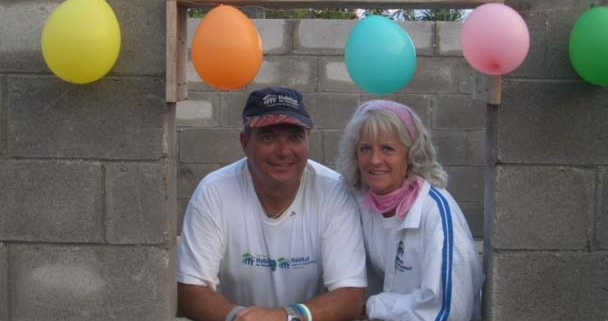
At Habitat Guatemala we are grateful to have met so many volunteers during our 41 years of work in the country. Through our Global Village Program, we have received countless amazing volunteers, and definitely have formed great connections.
We want you to meet the Laneys, M. C. and Terry, who have supported Habitat Guatemala for many years. This post seeks to share how their journey with Habitat started and how they continue to support us.
M.C.: A former deaf education teacher and artist. Began volunteering with local Habitat affiliate in 1996. Lives in Davidson, NC. Joined staff at local affiliate in 2000. Went on first Global Village Trip, a Women Build, to Portugal, just after 9/11/2001. Is a Global Village Team Leader. Women Build volunteer/House leader locally. Eventually became Director of ReStore Operations for two stores. Now retired.
Terry: Former Director of Operations for all company owned Pizza Hut Restaurants in North Carolina. Began volunteering with local Habitat affiliate in 1996. Joined staff in 2000. Became Executive Director of affiliate in 2002, until 2013. Moved to a struggling Habitat affiliate in 2014, and retired in 2018. Is a Global Village Team Leader.
Before we went on our first trip to Guatemala, we couldn’t even find it on a map. Our local affiliate had been tithing to Habitat Guatemala since 1988. We joined the first Global Village Team from our affiliate, and in 2003 headed to Guatemala to follow our tithe. We were very impressed with the programs they had in place, and how they were using our tithe. We found the families there were no different from us, as they too just wanted a better life for their children. The Habitat Guatemala staff were very patient with us and answered our thousands of questions as this experience was all new to us. We began building a strong relationship with their Board of Directors and a lifelong friendship with their previous Executive Director, Don Luis Samayoa. We saw firsthand, the impact Habitat Guatemala was having on the lives of families there. Through the relationship with Don Luis, he shared his hopes and dreams for the families of Guatemala. We were seeing Habitat at work, at the most grass-roots level, with the most basic of living conditions, and knew we wanted to be a part of their dreams and solutions. Thus far, we have made 25 trips to Guatemala, with more to come.
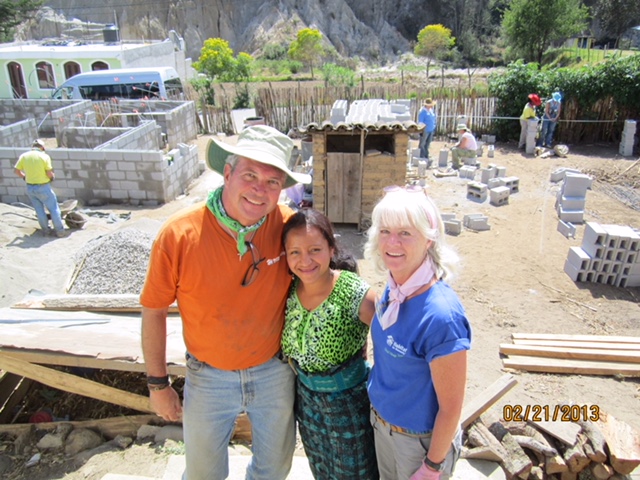
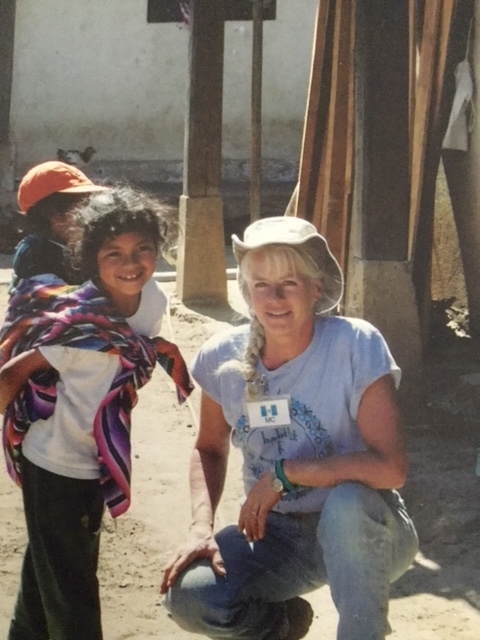
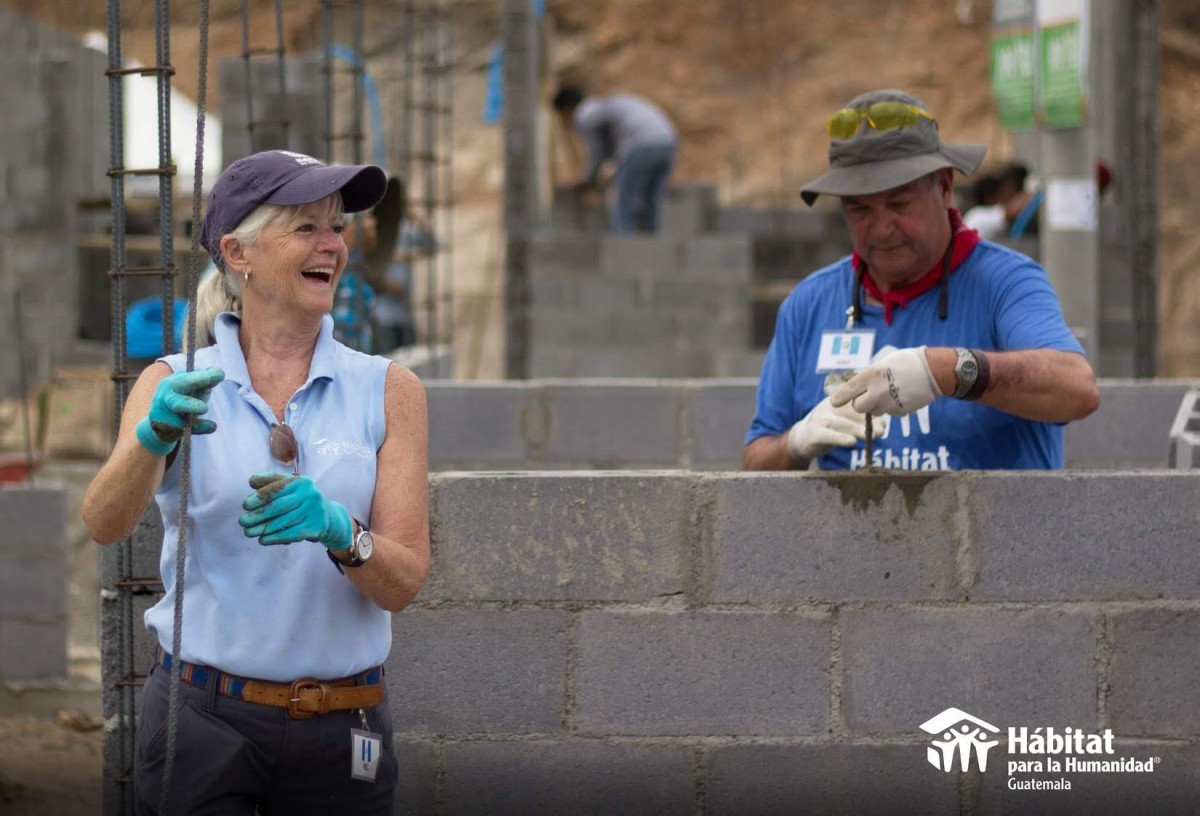
We love how open and sharing Habitat Guatemala is with their struggles, as well as, their successes. With the GV Teams, it is not just about the building process… they make sure we learn the history of the country and area; the political climate and how it affects Habitat. The program helps us gain perspective about the way of life and culture of Guatemala, truly opening our eyes as we experience their country, not as a typical tourist, but in a much more personal way, up close and personal. We are given the opportunity to witness and experience the vibrant Guatemalan culture and way of life, systems of beliefs, all as we come to appreciate the Guatemalan people and their joys as well as struggles.
We love that Habitat Guate provides us with opportunities to engage young people from our local communities: Water Filters are another of Habitat Guatemala’s solutions for families. Ninety-five percent of the water in Guatemala is not potable. Their water filters are life changing, and literally, life saving for families. This is also a wonderful way to get our local communities and schools involved with Guatemala. Working with a local Charter School, we are able to partner with them on their annual “Water Walk” on World Water Day, in March of each year. The “Water Walk” is a walk to the local lake to collect water in buckets, to then carry it back to the school. We then demonstrate how the water filters work, bringing attention to the millions of families worldwide who do not have easy access to potable water. This would have been our third year this year, but unfortunately we will have to wait until next year due to the COVID-19 pandemic. The students at the school were able to raise funds for 189 ($35 each) water filters for 189 families in Guatemala, over the previous 2 years.
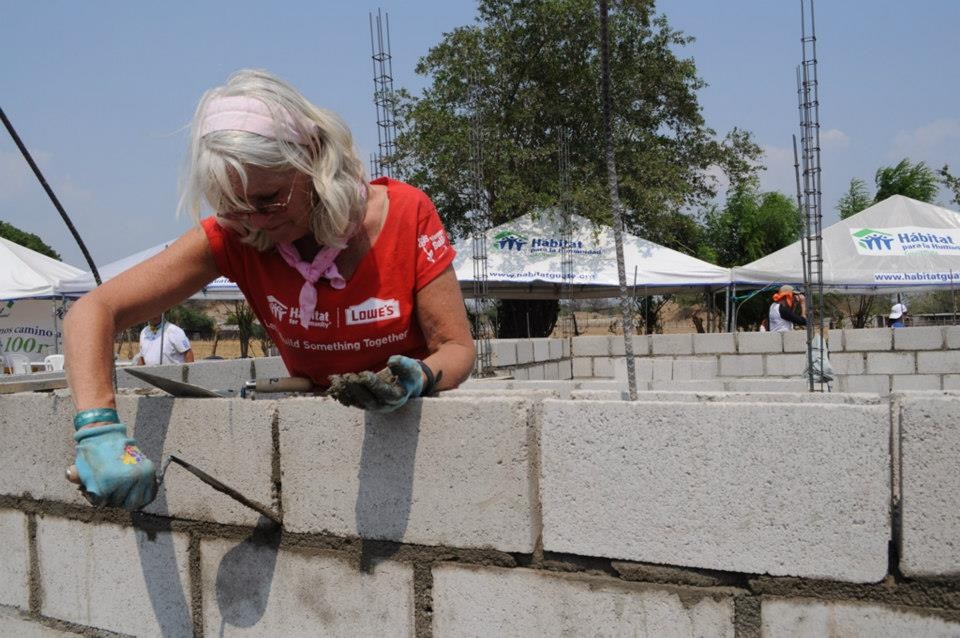
We may be from different cultures, but we all want the same things for our families: a safe and healthy place to call home. This is the great equalizer. Happiness and hope is not decided by the size of a home. What may seem small to us, brings them great pride and dignity, something we all need in our lives. This is where Global Village Teams come in. We can show people that we are paying attention, we DO care, and DO want to help them improve their living conditions, no matter where they live.
We have brought volunteers from all walks of life, high school students, members of the community, U.S. Habitat homeowners, teachers, professionals, families, churches, members of other Habitat Affiliates, along with us on our Global Village Trips, all coming together to make life better for others. You can’t do it by sitting at home (although donations are ALWAYS welcome to Habitat Guate). We ALL can be part of the solution.
Our dear friend, Don Luis Samayoa, passed away unexpectedly, in 2016, and while it was a hard blow for Habitat Guatemala and the families there, his successor, Victor Velasquez , has been able to keep them focused on their next milestone. Victor worked in the office with Don Luis for 15 years, and shares his passion for helping the families of Guatemala. M.C. and I were able to host Victor and two members of his team this past year, at our home in Davidson, and we are very excited about the future for them.
The vital contributions Global Village Teams make to Habitat Guatemala, are the pictures and stories brought back home and shared with others. We always leave a part of ourselves there, as it means so much to us. Every visit there, has been a life changing experience, with each one being so different.
Terry & M.C. Laney
Habitat Guate Fans and Volunteers!
atención al cliente
QUETZALTENANGO
18 avenida 5-13 zona 3.
7736-8264 / 7763-7524 / 4740-6832
atención al cliente
GUATEMALA (REGIÓN GUATE-CENTRO)
3 Av. 8-26, Zona 10. Guatemala
23392223
atencionfamilias@habitatguate.org
© 2020 Habitat para la Humanidad ® Guatemala. | Desarrollado por iGuate.com