Latest News
My latest ramblings.
Enjoy! I definitely got important things to say


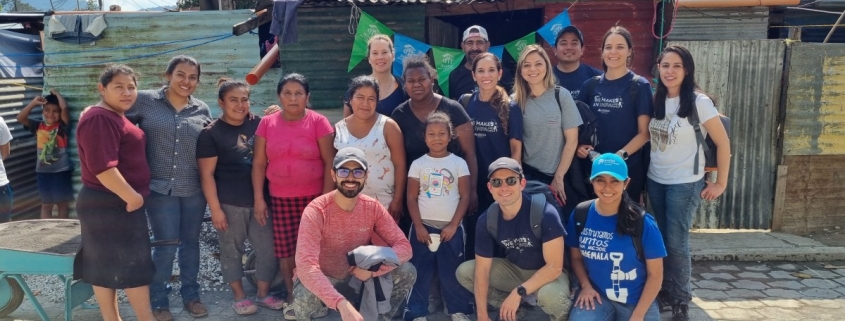
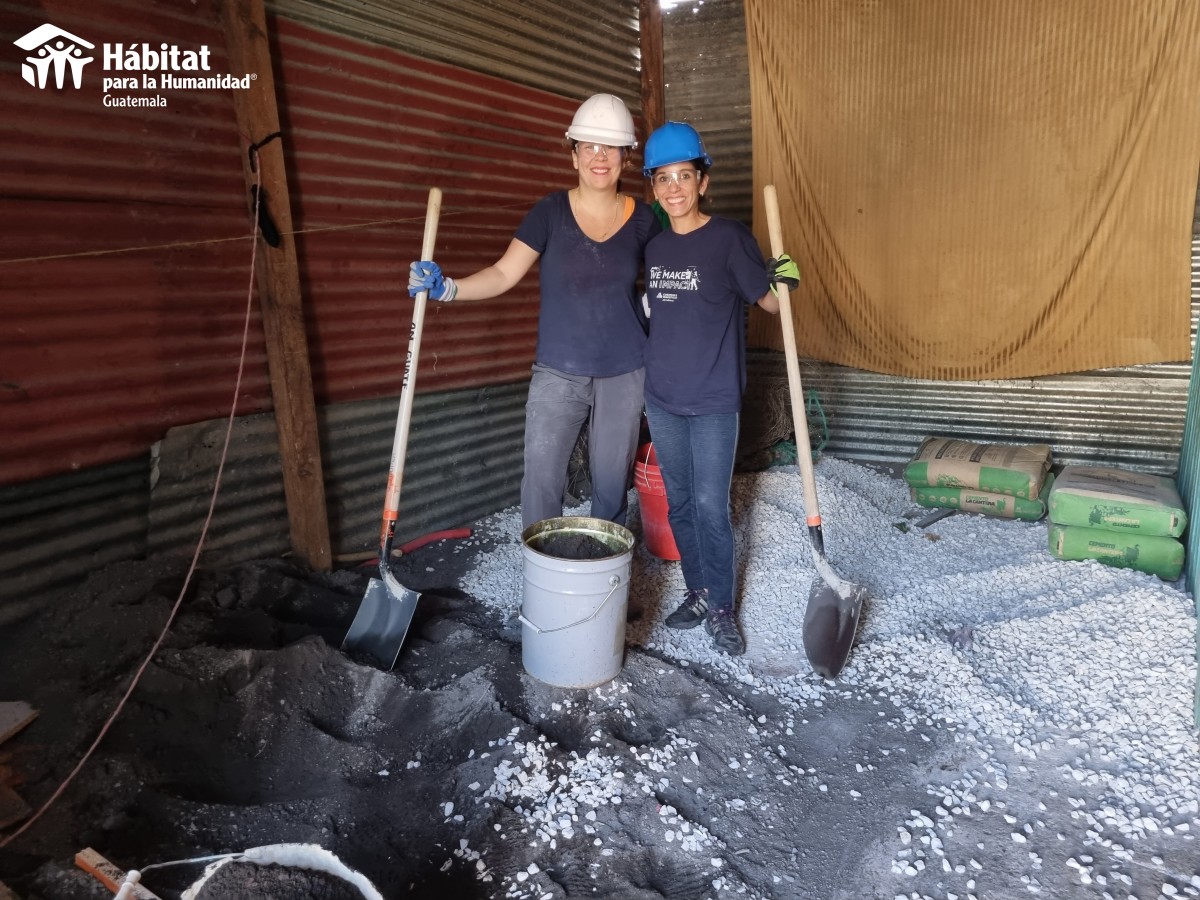
Los grupos de voluntariado son una herramienta de participación ciudadana, personas individuales, colaboradores de empresas, estudiantes y grupos organizados, todos somos agentes de cambio de nuestro país.
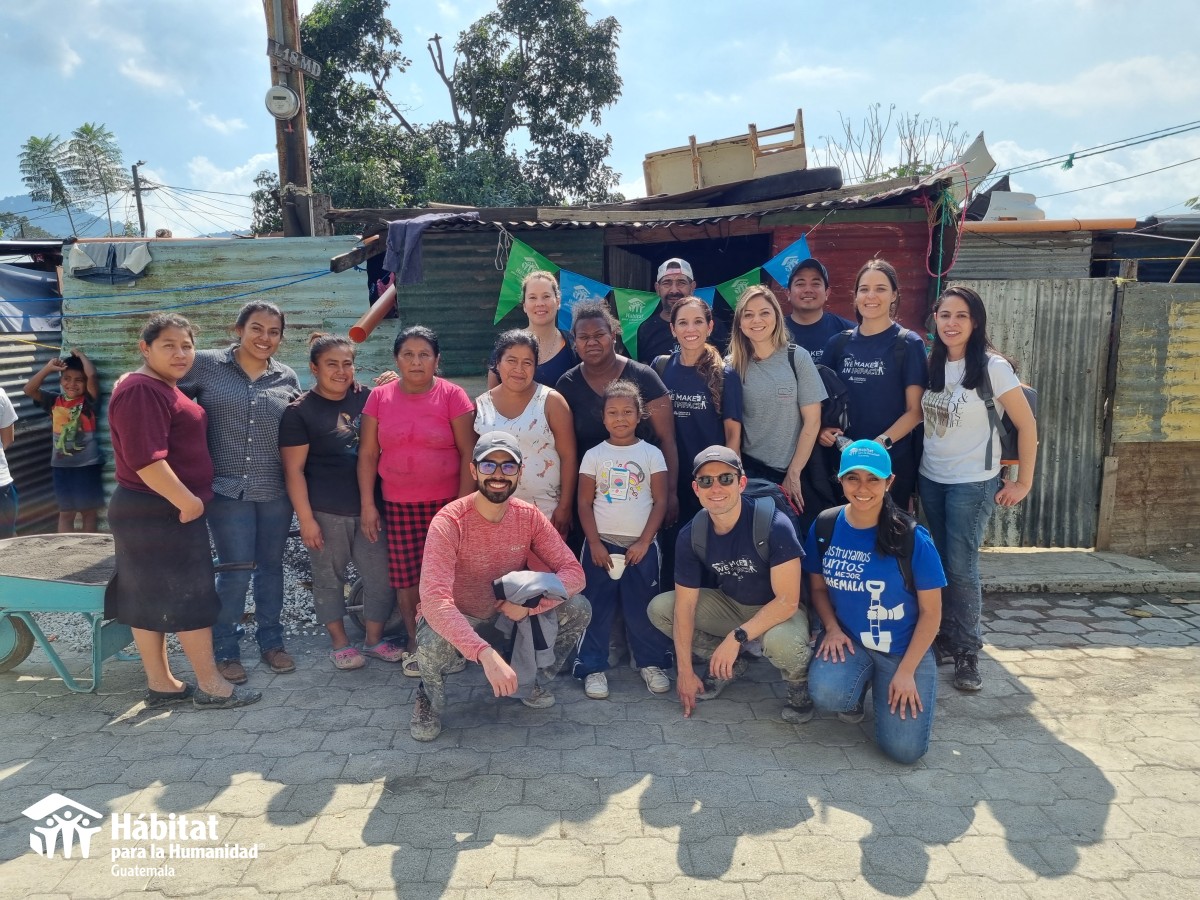
En esta ocasión unimos fuerzas con C&W Guatemala, el pasado 17 de noviembre se llevó a cabo una brigada constructiva en la que construimos 2 pisos de concreto y entregamos 2 filtros purificadores de agua a dos familias de San Miguel Petapa, Guatemala.
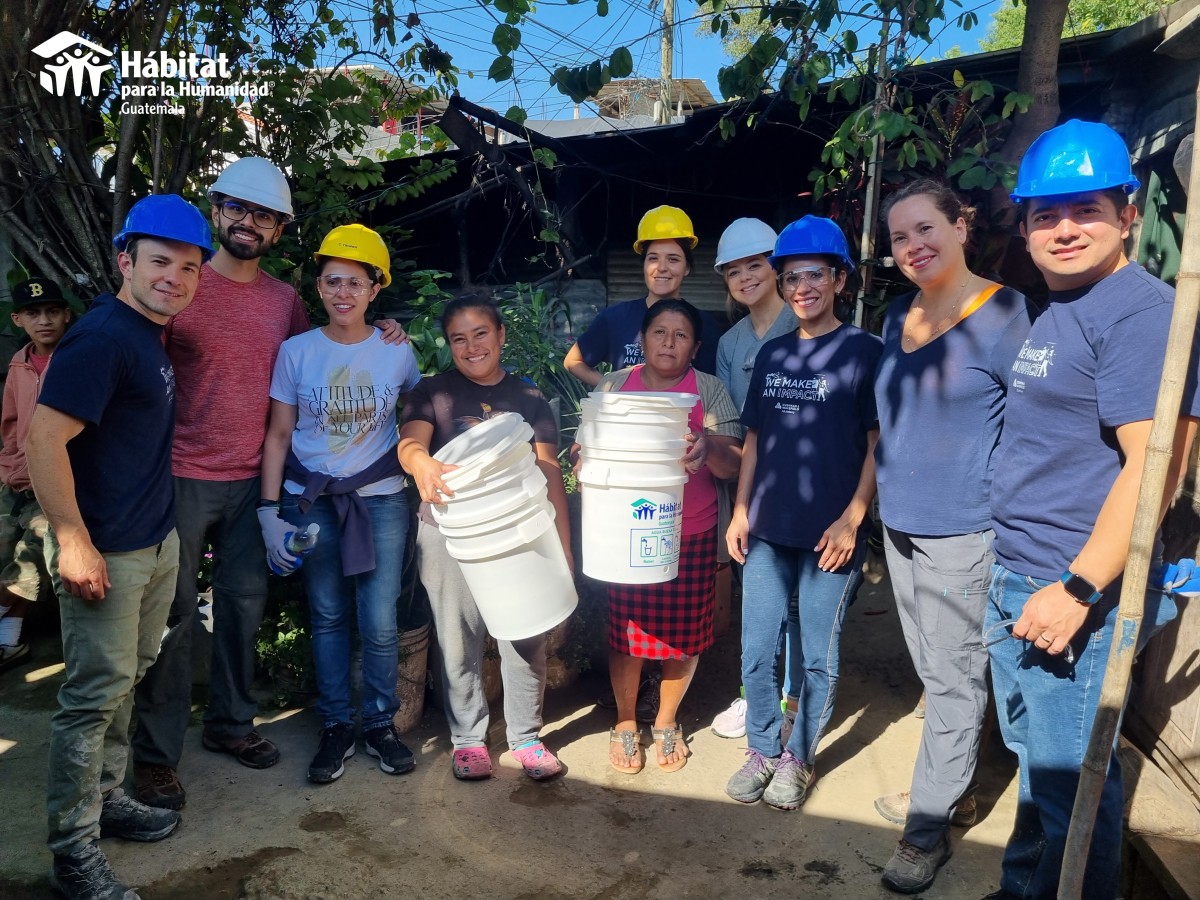
Agradecemos a los voluntarios de C&W Guatemala por sumarse a nuestro programa de voluntariado, con su ayuda contribuyen a que más familias guatemaltecas mejoren su calidad de vida.
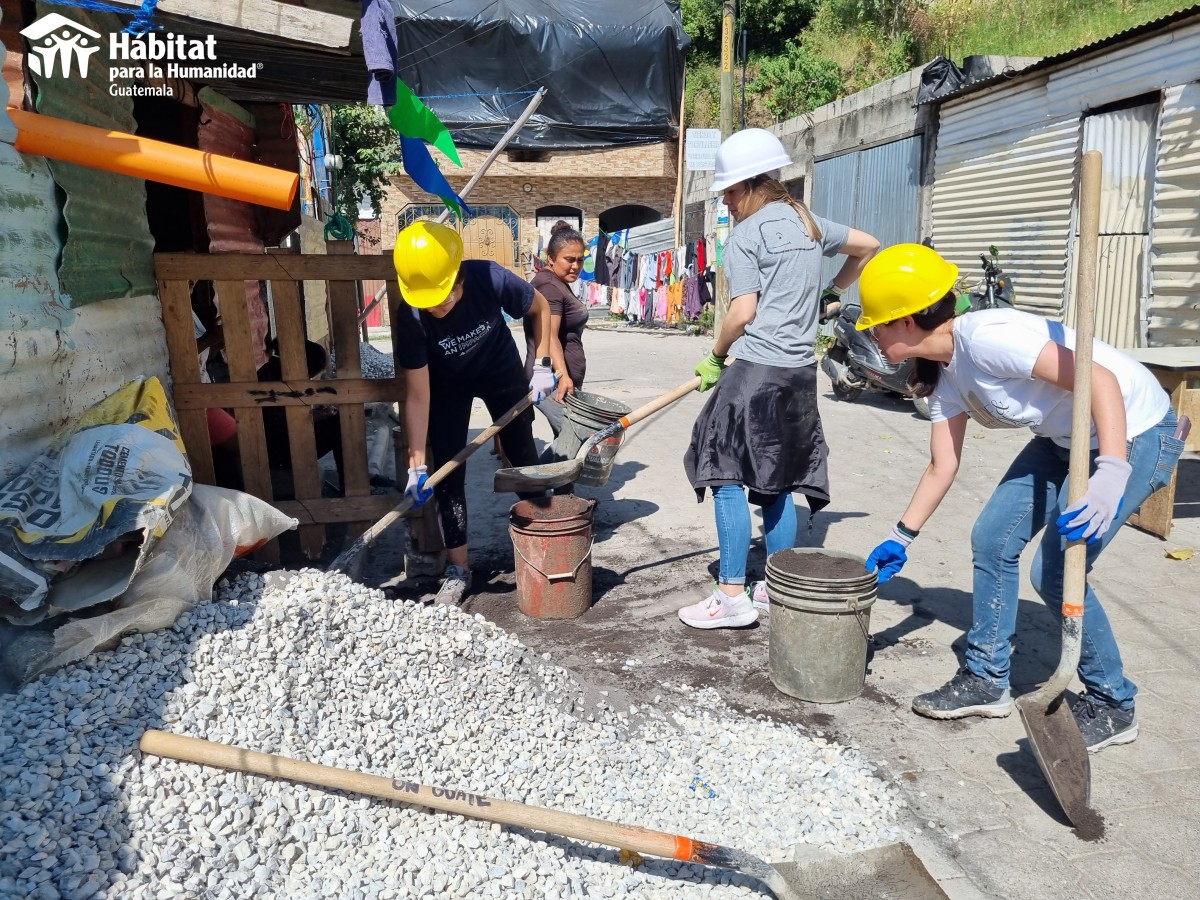
El voluntariado es una oportunidad para que más personas, empresas, centros educativos y grupos organizados se involucren e impacten de manera directa la calidad de vida de muchas familias guatemaltecas, solamente necesitamos corazones y manos dispuestas para servir.
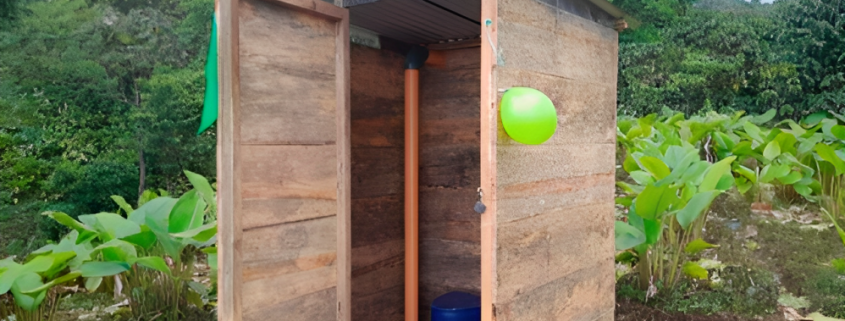
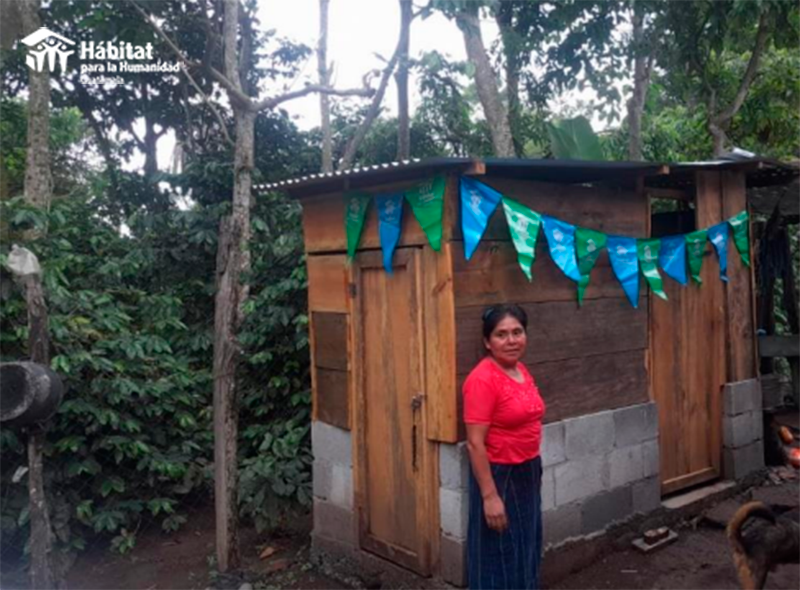
En el corazón de la lucha contra la pobreza y las condiciones sanitarias precarias, un proyecto transformador ha tomado forma en las comunidades de Nueva Bendición, Nueva Santos y La Rochela en Escuintla. Gracias a la colaboración entre las familias beneficiarias, los líderes de Nelixia y los esfuerzos de Hábitat para la Humanidad Guatemala, estas comunidades han experimentado una mejora significativa en sus condiciones de vida a través de un proyecto integral de saneamiento. Vamos a explorar los puntos clave y el impacto de esta iniciativa que ha dejado un legado de cambio positivo.
El proyecto no solo entregó mejoras tangibles en la infraestructura sanitaria, sino que también fomentó la integración, la inclusión y el desarrollo económico sostenible. La utilización de mano de obra local, la mejora en las instalaciones sanitarias y el respeto por el medio ambiente son testimonios de un enfoque holístico hacia el progreso.
Desarrollo del Proyecto:
Cumplimiento de Objetivos:
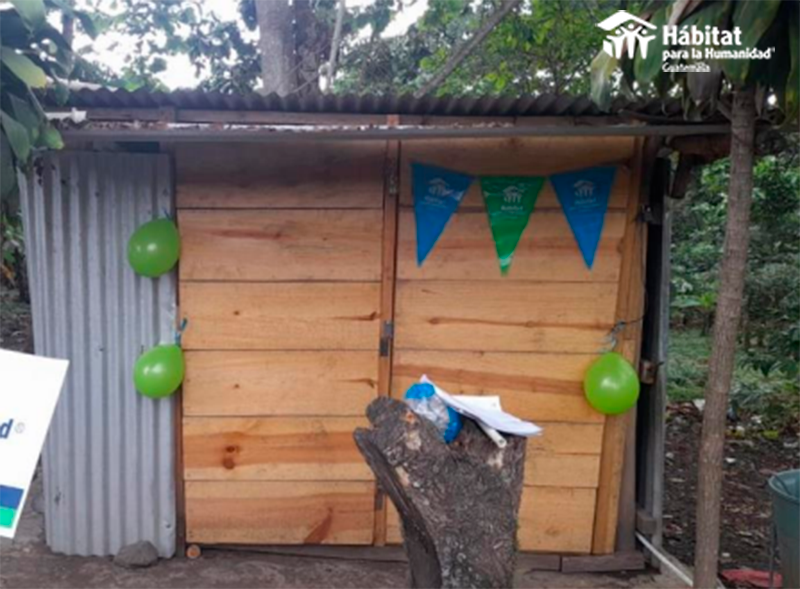
A pesar de los desafíos, la determinación de las comunidades y el apoyo continuo llevaron al éxito del proyecto.
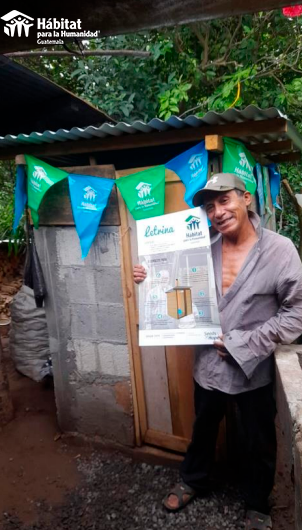
Las letrinas implementadas no solo mejoraron el manejo de excretas, sino que también mitigaron los impactos ambientales. Más allá de la infraestructura, el proyecto fortaleció los lazos comunitarios y mejoró la calidad de vida de las 24 familias beneficiarias.
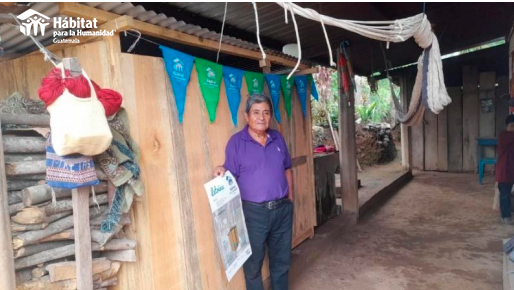
El proyecto concluyó oficialmente con la entrega de las soluciones en las comunidades de La Rochela, Nueva Bendición y Nueva Todos Santos. El reconocimiento de FONTIERRA y otros organismos municipales resalta la importancia de replicar este modelo exitoso en otras comunidades con necesidades similares.
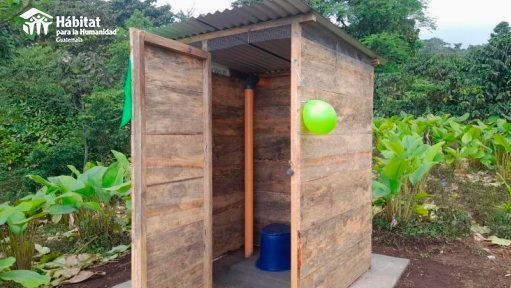
Este proyecto no solo marcó una transformación física en las viviendas de estas comunidades, sino que también dejó un legado de empoderamiento, sostenibilidad y colaboración. A medida que las 24 familias beneficiarias avanzan hacia un futuro más saludable y próspero, este proyecto representa un faro de esperanza y cambio positivo en la lucha contra la pobreza y las condiciones precarias de saneamiento.
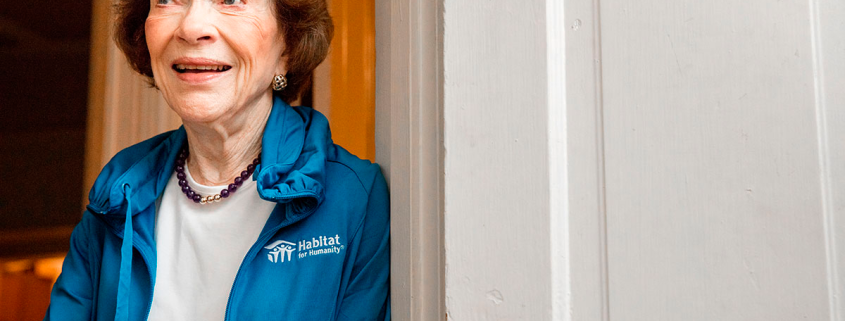
ATLANTA (Nov. 19, 2023) – Habitat for Humanity is deeply saddened by the passing of former U.S. first lady Rosalynn Carter, who was a champion and strong voice for affordable, decent housing for all. For more than three decades, she and President Jimmy Carter donated their time and leadership to Habitat each year to build and improve homes around the world. She died peacefully on Sunday at her home in Plains, Georgia, at the age of 96, with family by her side.
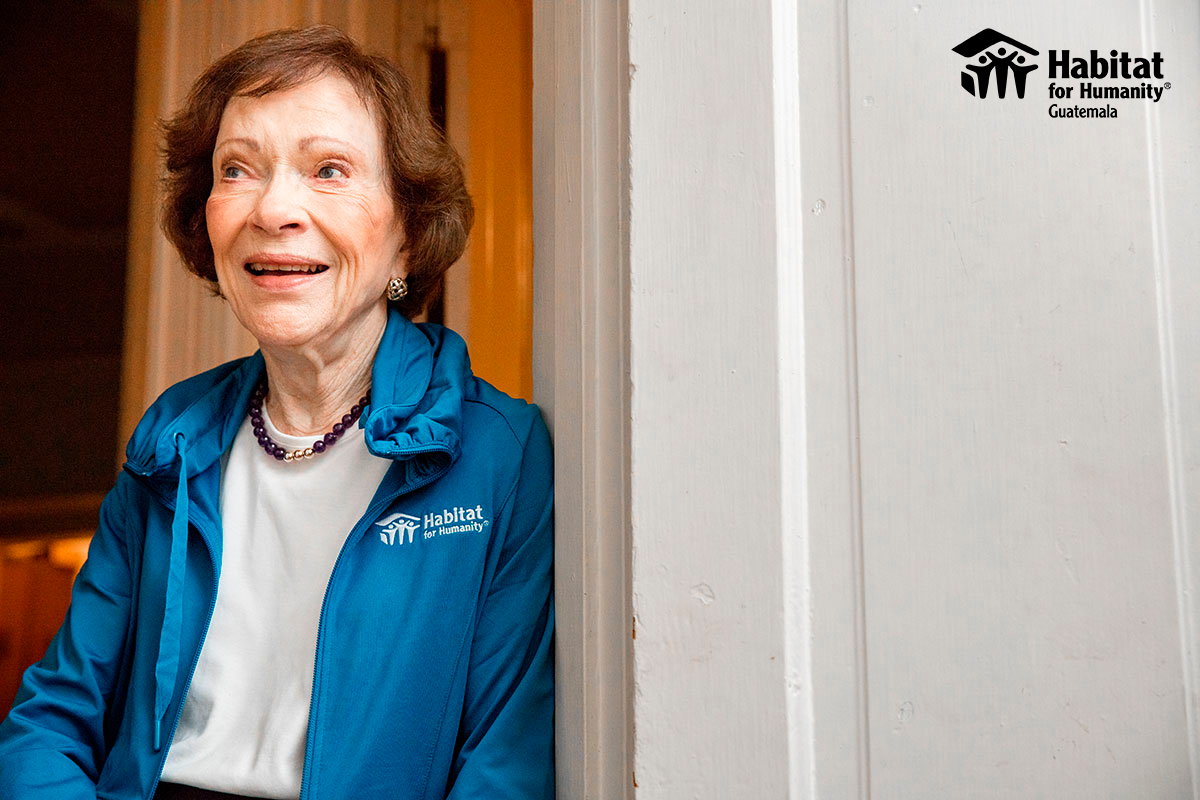
“We grieve the loss of Mrs. Carter and our prayers are with President Carter and their family. Mrs. Carter has helped change the lives of thousands of homeowners, empowered countless women and inspired millions of people. Over the years, she has blessed us with her compassion for serving others and commitment to improving housing conditions,” said Jonathan Reckford, CEO, Habitat for Humanity International. “The Carters lent a hand to Habitat for Humanity as a young, fledging organization and created global awareness of our work and of our mission. We are grateful for the incredible impact she and President Carter have had on Habitat and on the families who have benefited from their shining example.”
After leaving the White House, the Carters planned for meaningful ways to continue their commitment to social justice and basic human rights. Their first volunteer experience with Habitat for Humanity was in March 1984 near their home in Americus, Georgia, where Habitat for Humanity was founded. Later that same year, the Carters joined Habitat volunteers in New York City’s Lower East Side to renovate an abandoned building in partnership with families in need of affordable housing.
That marked Habitat for Humanity’s first Jimmy Carter Work Project, which was later renamed to the Jimmy & Rosalynn Carter Work Project. Since then, President and Mrs. Carter have worked with more than 104,000 volunteers across the U.S. and in 14 countries to build, renovate and repair 4,390 Habitat homes. Since its founding in 1976, Habitat has served more than 46 million people around the world.
In 2016, Habitat named President and Mrs. Carter as the inaugural Habitat Humanitarians for their extraordinary dedication to service in alignment with Habitat’s vision of a world where everyone has a decent place to live.
For photos and videos of President and Mrs. Carter volunteering with Habitat for Humanity, visit habitat.ngo/CarterPhotoVideo.
About Habitat for Humanity
Driven by the vision that everyone needs a decent place to live, Habitat for Humanity found its earliest inspirations as a grassroots movement on an interracial community farm in south Georgia. Since its founding in 1976, the Christian housing organization has since grown to become a leading global nonprofit working in local communities across all 50 states in the U.S. and in more
than 70 countries. Families and individuals in need of a hand up partner with Habitat for Humanity to build or improve a place they can call home. Habitat homeowners help build their own homes alongside volunteers and pay an affordable mortgage. Through financial support, volunteering or adding a voice to support affordable housing, everyone can help families achieve the strength, stability and self-reliance they need to build better lives for themselves. Through shelter, we empower. To learn more, visit habitat.org.
For press:
Contact:
Sofía Trejos Lépiz
Hábitat para la Humanidad Internacional strejos@habitat.org
ATLANTA (19 de noviembre de 2023). – Hábitat para la Humanidad está profundamente entristecida por el fallecimiento de la exprimera dama de los Estados Unidos, Rosalynn Carter, quien fue defensora y una fuerte voz a favor de la vivienda asequible y digna para todas las personas. Por más de tres décadas, ella y el expresidente Jimmy Carter, donaron su tiempo y liderazgo a Hábitat cada año para construir y mejorar viviendas alrededor del mundo. Murió de forma pacífica este domingo en su hogar en Plains, Georgia, a la edad de 96 años, con familia a su lado.
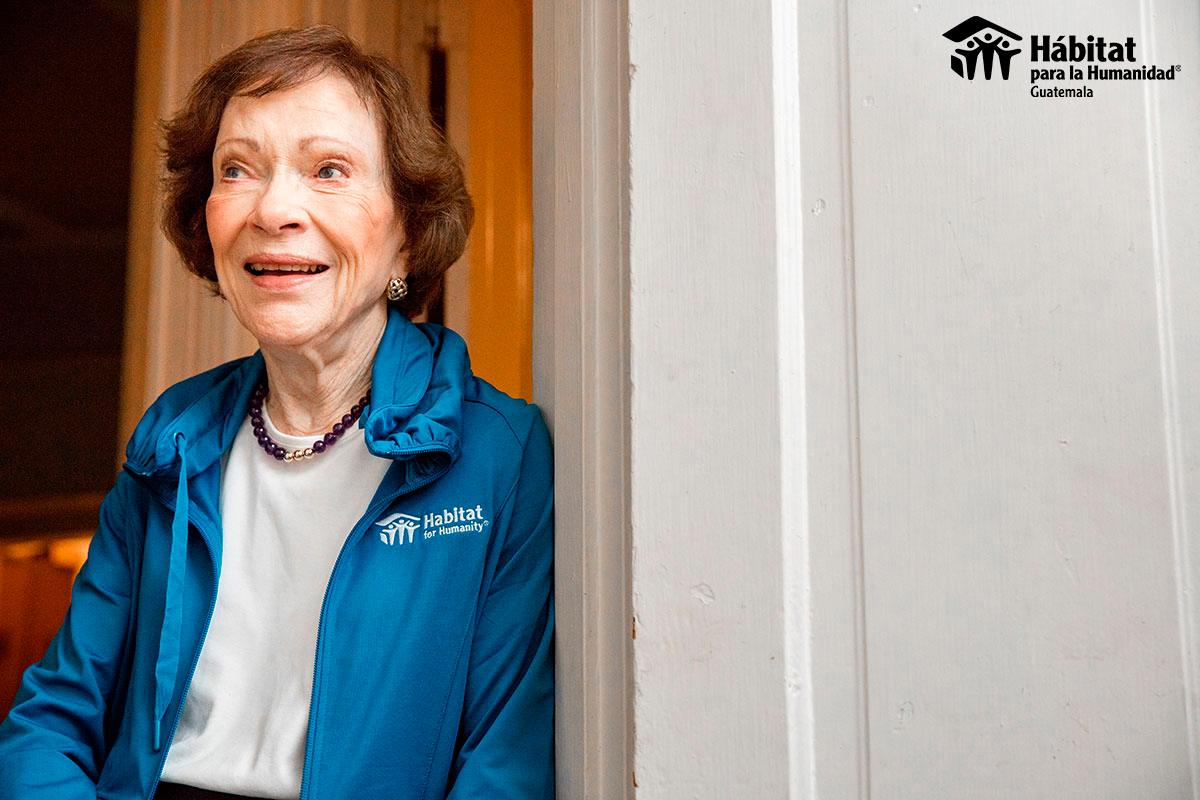
“Lamentamos el deceso de la Sra. Carter y nuestras oraciones están con el expresidente Carter y su familia. La Sra. Carter ayudó a cambiar las vidas de miles de propietarios de viviendas, empoderó a innumerables mujeres e inspiró a millones de personas. A lo largo de los años, nos bendijo con su compasión para servir a los demás y su compromiso para mejorar las condiciones de vivienda”, dijo Jonathan Reckford, CEO de Hábitat para la Humanidad Internacional. “Los Carter tendieron una mano a Hábitat para la Humanidad cuando era una organización joven e incipiente y generaron conciencia global sobre nuestro trabajo y nuestra misión. Estamos agradecidos por el increíble impacto que ella y el expresidente Carter han tenido en Hábitat y en las familias que se han beneficiado de su excelente ejemplo”.
Después de la Casa Blanca, los Carter planearon formas significativas de continuar su compromiso con la justicia social y los derechos humanos básicos. Su primera experiencia en voluntariado con Hábitat para la Humanidad fue cerca de su hogar, en marzo de 1984, en Americus, Georgia, donde se fundó Hábitat para la Humanidad.
Más tarde ese mismo año, los Carter se unieron a voluntarios de Hábitat en el Lower East Side de la ciudad de Nueva York, para renovar un edificio abandonado, en colaboración con varias familias en necesidad de vivienda asequible.
Eso marcó el primer Proyecto Jimmy Carter de Hábitat para la Humanidad, que más tarde pasó a llamarse Proyecto Jimmy & Rosalynn Carter. Desde entonces, el expresidente y la Sra. Carter trabajaron con más de 104.000 voluntarios en los Estados Unidos y en 14 países para construir, renovar y reparar 4.390 viviendas Hábitat. Desde su fundación en 1976, Hábitat ha servido a más de 46 millones de personas en todo el mundo.
En 2016, Hábitat nombró al expresidente y a la Sra. Carter como los primeros «Humanitarios Hábitat», un reconocimiento por su voluntariado, su extraordinaria dedicación y servicio, en línea con la visión de Hábitat de un mundo donde cada persona tenga un lugar digno para vivir.
Para fotografías y videos del expresidente y la Sra. Carter como voluntarios de Hábitat para la Humanidad, visite habitat.ngo/CarterPhotoVideo.
Acerca de Hábitat para la Humanidad
Impulsada por la visión de que cada persona necesita un lugar digno para vivir, Hábitat para la Humanidad comenzó como un movimiento con principios cristianos en una granja comunitaria interracial del sur de Georgia, EE. UU. Desde su fundación en 1976, la organización ha crecido hasta convertirse en una ONG
enfocada en vivienda asequible, que trabaja en los 50 estados de los EE. UU. y en más de 70 países. Las familias y personas que necesitan apoyo se alían con Hábitat para la Humanidad para construir o mejorar un lugar al cual llamar hogar. Los propietarios de Hábitat pagan una hipoteca asequible y ayudan a construir sus propias viviendas junto con voluntarios. A través de ayuda financiera, voluntariado o adición de una voz en apoyo a la vivienda asequible, cada persona puede ayudar a las familias a lograr la fortaleza, la estabilidad y la autosuficiencia que necesitan para construir una vida mejor para sí mismas. A través de vivienda, empoderamos a las personas. Para obtener más información, visite habitat.org.
PARA PRENSA:
Contacto:
Sofía Trejos Lépiz
Hábitat para la Humanidad Internacional strejos@habitat.org
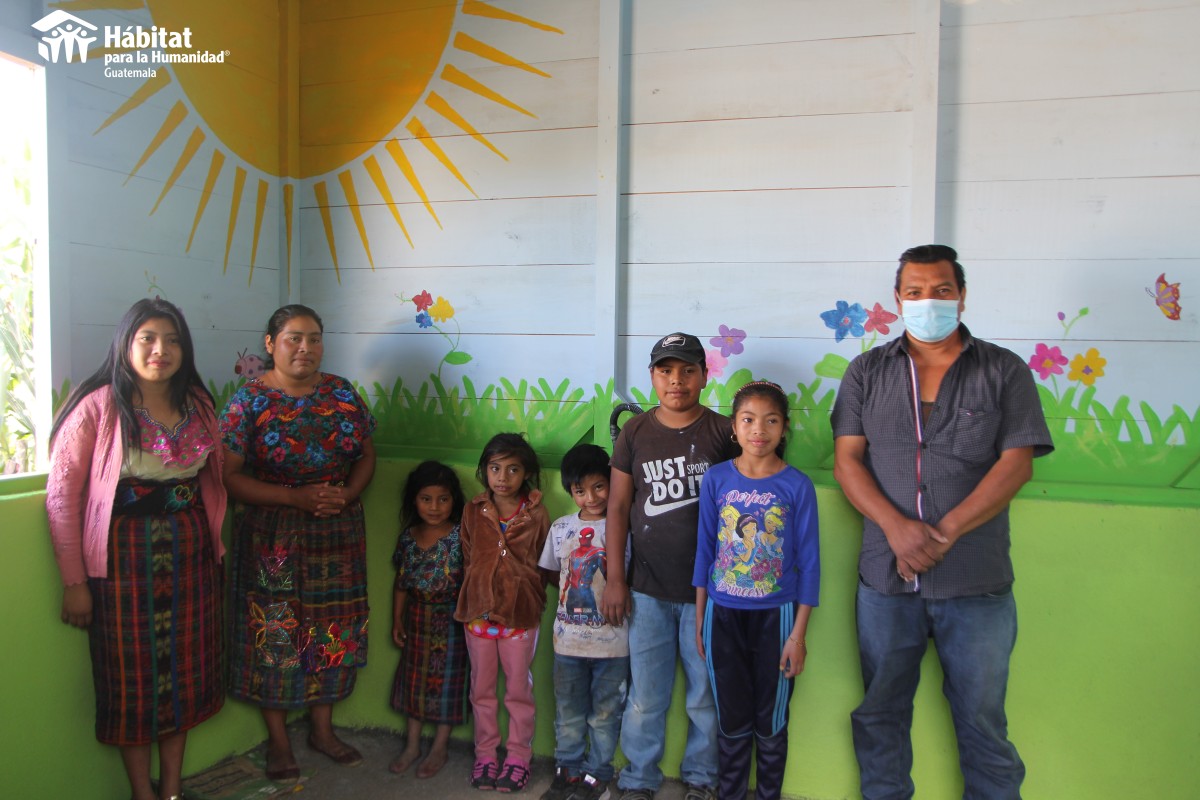
Brenda (7 years old) lives with her mother Roselia (33 years old), a housewife, her father Benjamín (45 years old), a farmer, her sister Leidy (15 years old), her brother Marlon (10 years old), her brother Yonny (5 years old) and her little sister Elida (3 years old). The family lives in Aldea Simajhuleu, San Juan Comalapa, Chimaltenango.
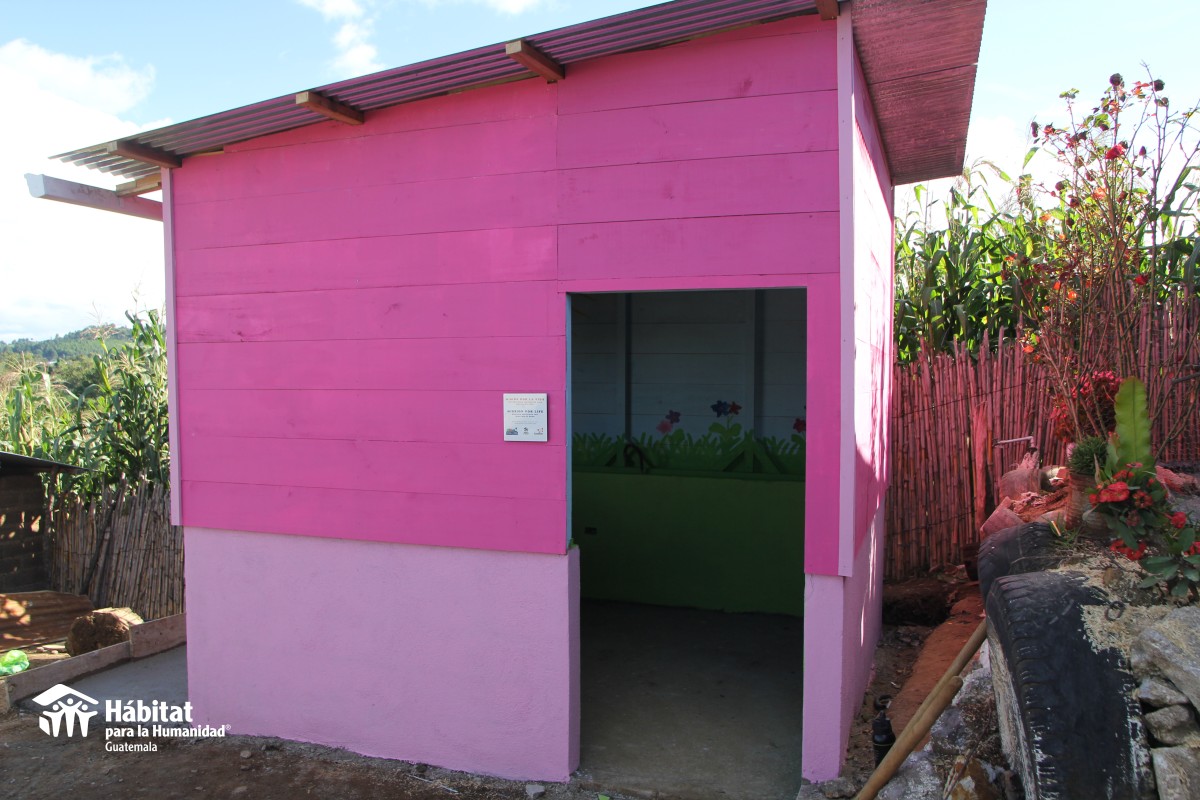
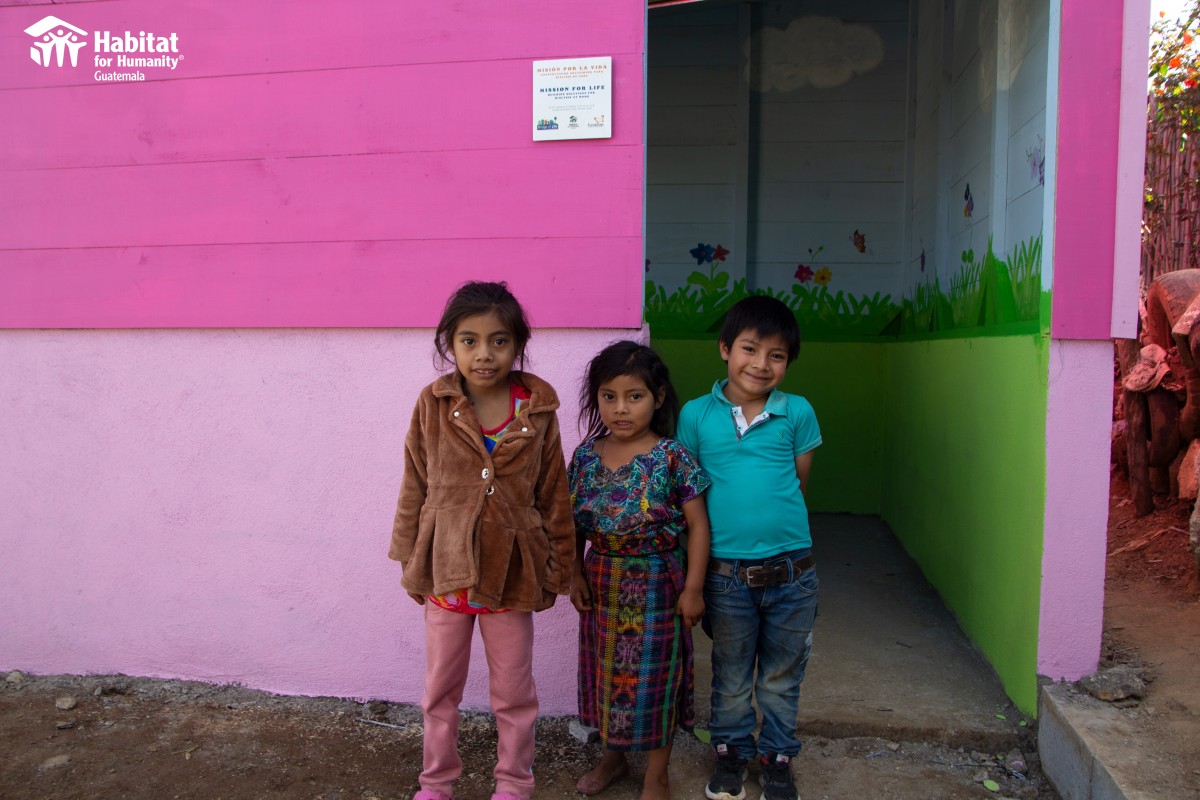 Brenda likes to play with dolls, coloring books and notebooks, her favorite color is pink and she loves flowers.
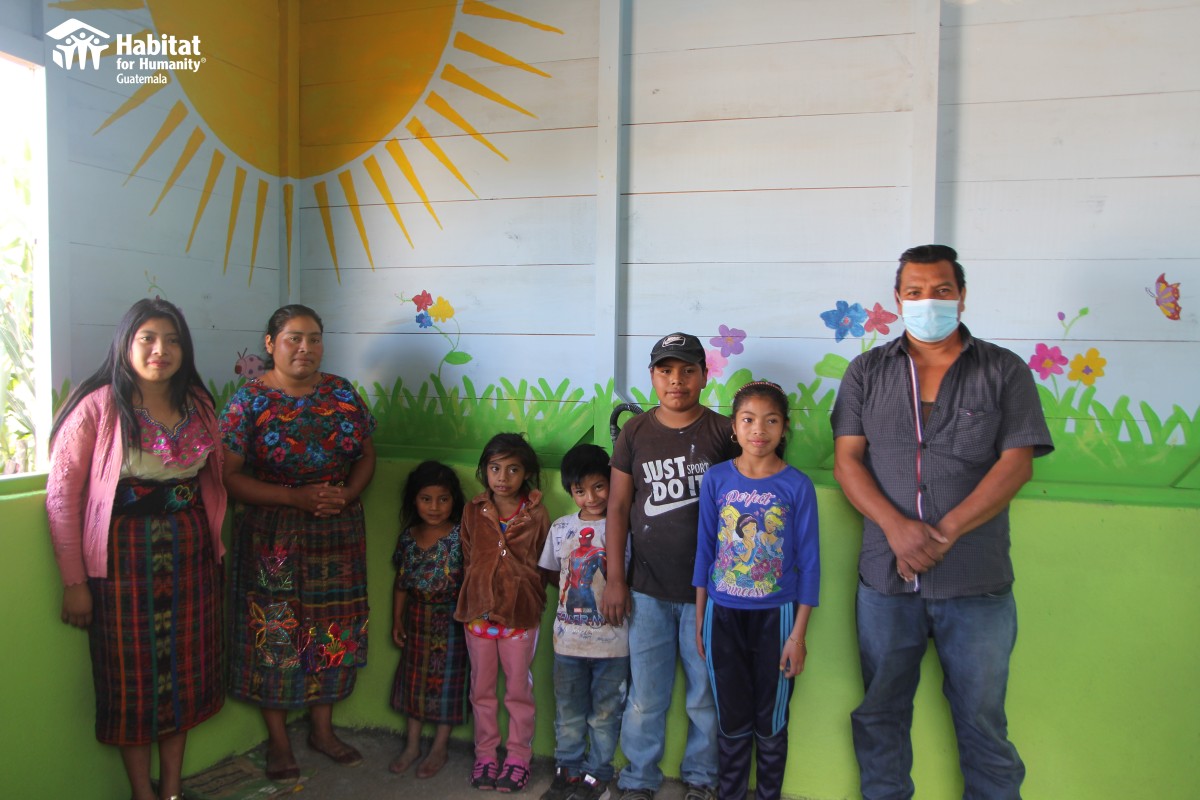 Brenda was diagnosed on June 29, 2023 with kidney disease, she is currently receiving her hemodialysis treatment in Guatemala City, for this the family usually leaves early in the morning to be able to arrive on time for her appointment.
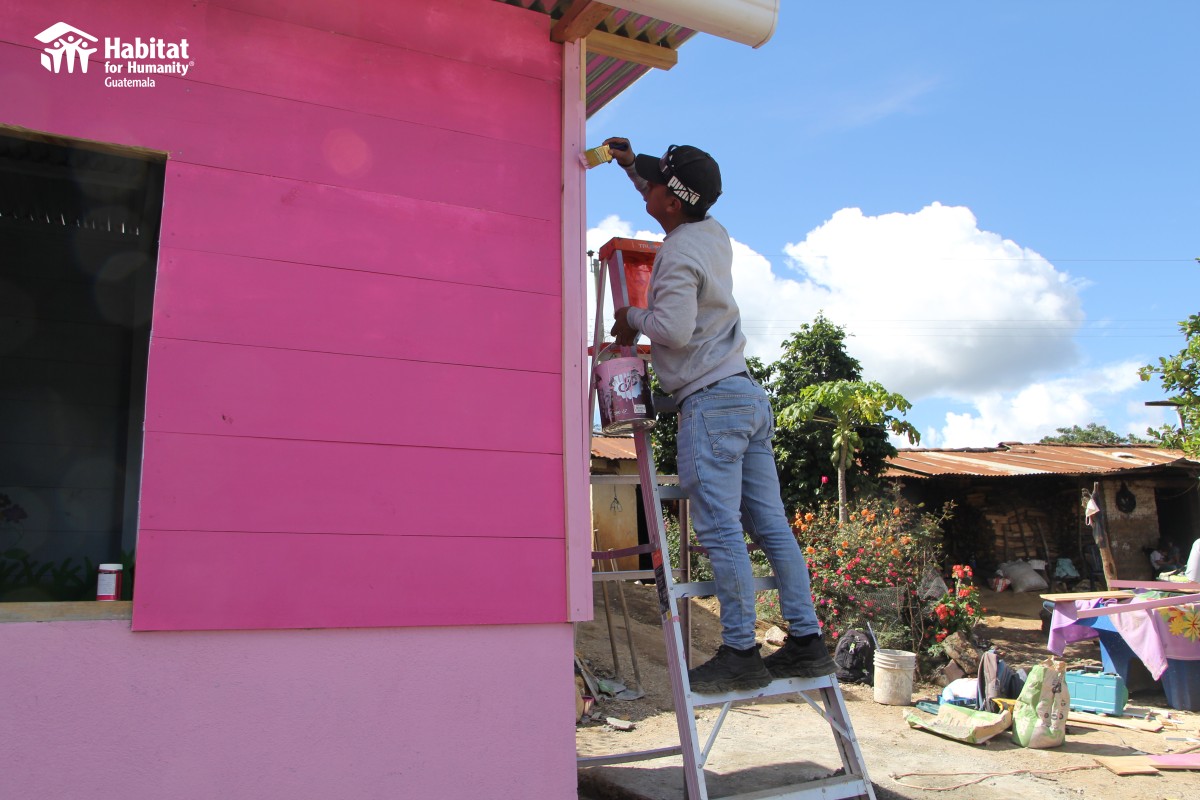
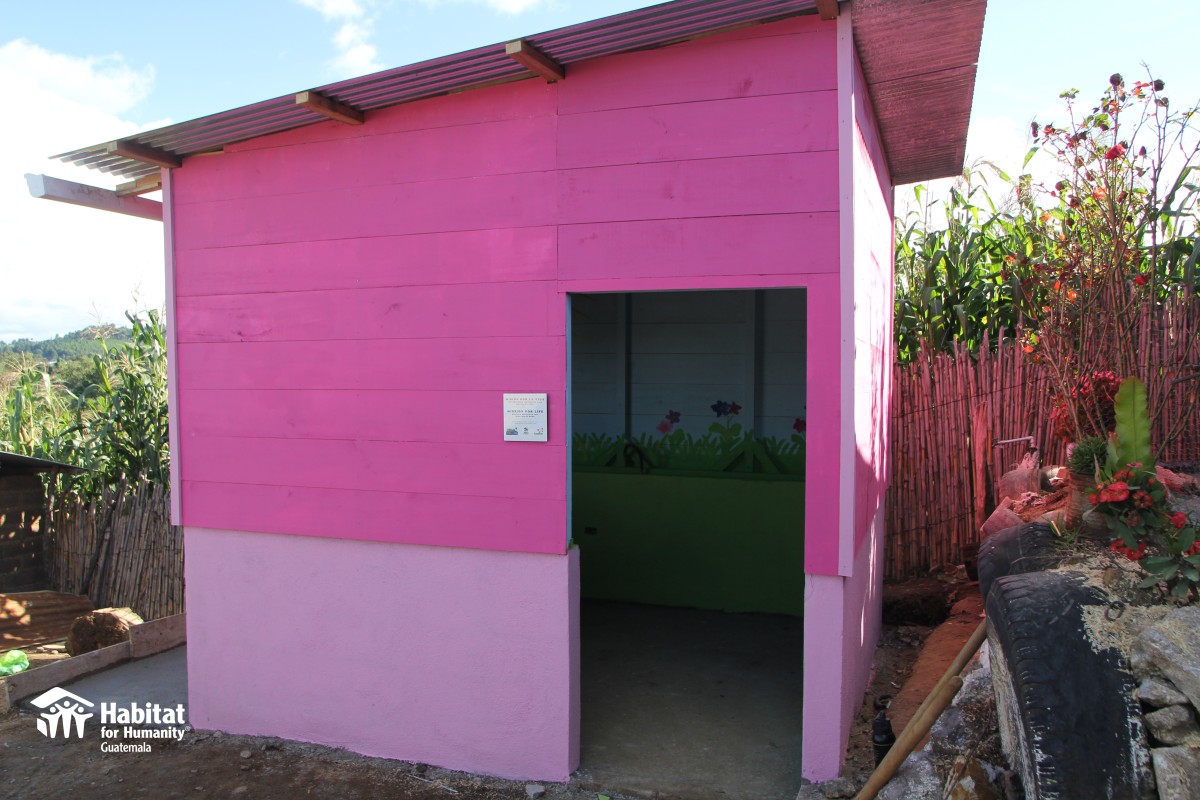
With the construction of the health module, Brenda now has a space with the conditions and equipment necessary to perform peritoneal dialysis at home. This project has a direct impact on the savings in time and resources that were required for her to travel to the city to receive her treatment.
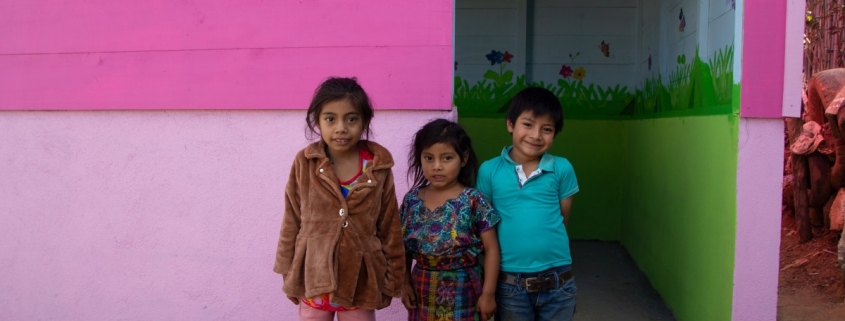
Brenda (7 años) vive con su mamá Roselia (33 años), ama de casa, su papá Benjamín (45 años), agricultor, su hermana Leidy (15 años), su hermano Marlon (10 años), su hermano Yonny (5 años) y su hermanita Elida (3 años). La familia vive en la Aldea Simajhuleu, San Juan Comalapa, Chimaltenango.
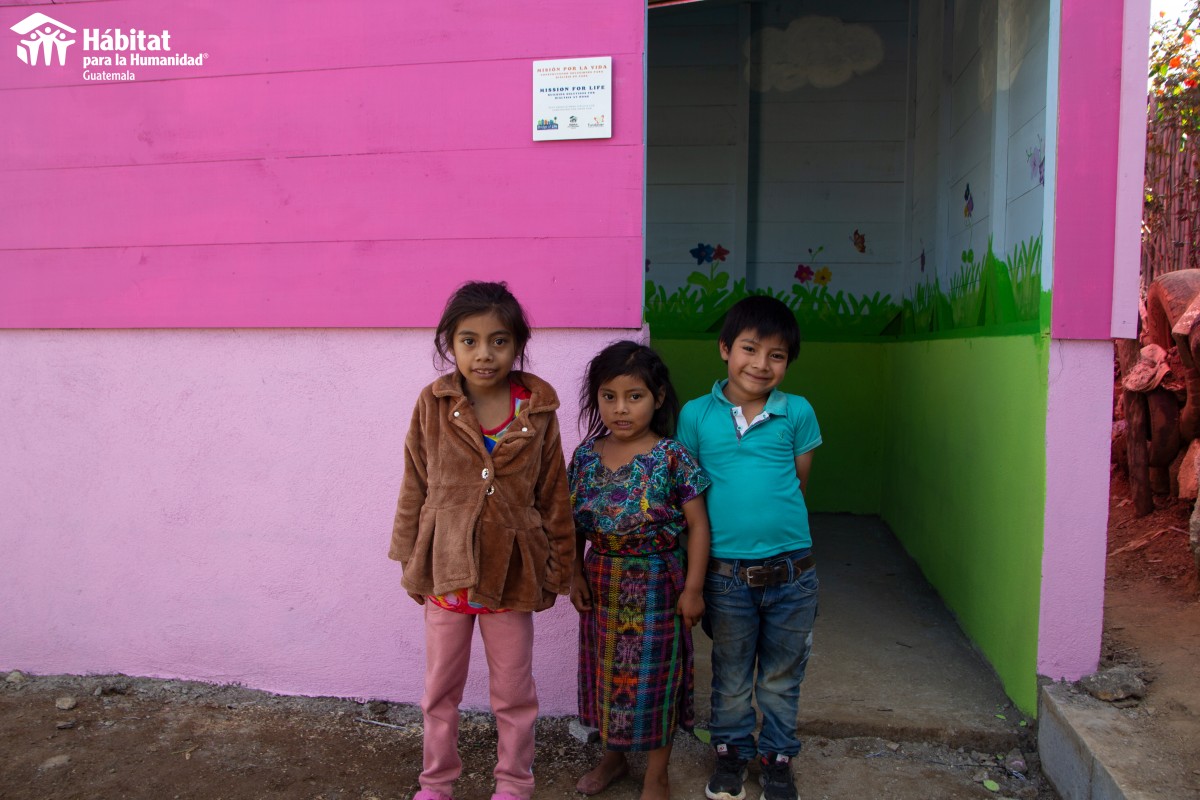
A Brenda le gusta mucho jugar con muñecas, los libros y cuadernos para colorear, su color favorito es el rosado y le gustan mucho las flores.
Brenda fue diagnosticada el 29 de junio de 2023 con enfermedad renal, actualmente se encuentra recibiendo su tratamiento de hemodiálisis en la Ciudad de Guatemala, para esto la familia suele salir de madrugada para poder llegar a tiempo a su cita.
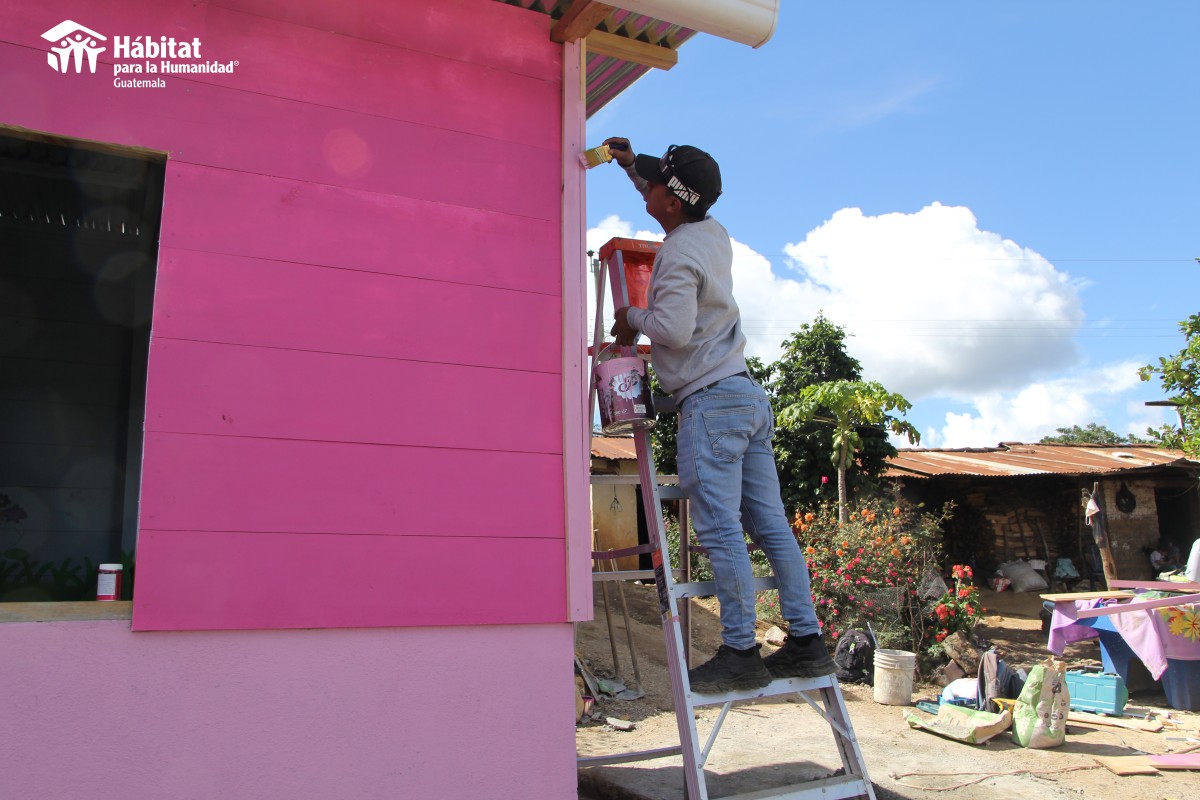
Con la construcción del módulo de salud, Brenda tiene ahora un espacio con las condiciones y el equipo necesario para realizar la diálisis peritoneal en casa. Este proyecto tiene un impacto directo en el ahorro de tiempo y recursos que implicaba su traslado a la ciudad para recibir su tratamiento.
atención al cliente
QUETZALTENANGO
18 avenida 5-13 zona 3.
7736-8264 / 7763-7524 / 4740-6832
atención al cliente
GUATEMALA (REGIÓN GUATE-CENTRO)
3 Av. 8-26, Zona 10. Guatemala
23392223
atencionfamilias@habitatguate.org
© 2020 Habitat para la Humanidad ® Guatemala. | Desarrollado por iGuate.com