Latest News
My latest ramblings.
Enjoy! I definitely got important things to say


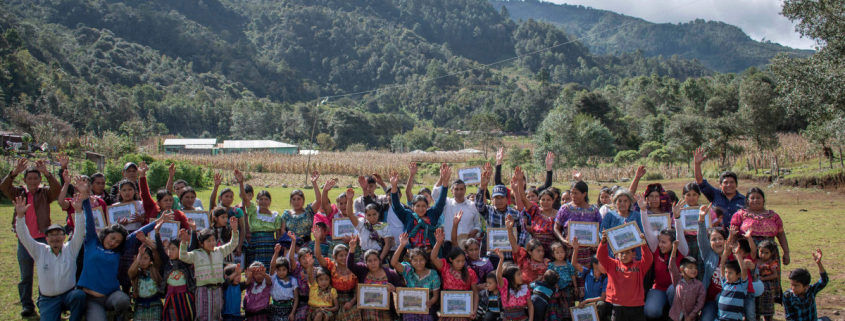
En la comunidad Macalajau, El Quiché, Alrededor de 30 familias estuvieron trabajando durante los 4 años del proyecto, lo que augura una sostenibilidad de iniciativa, motivación y validación por parte de la comunidad. Se amplió la diversidad de hortalizas y cultivos en los huertos de la comunidad.
Ámbito nutricional e higiene, el 87.5 por ciento de las familias incorporó hábitos saludables tales como:
Se implementaron talleres de alfabetización y de expresión, las cuales fueron herramientas para el intercambio de experiencias y alianzas con otros actores.
Se abordaron temas como el empoderamiento femenino, planificación familiar, la importancia del trabajo colaborativo para el mantenimiento del tejido social.
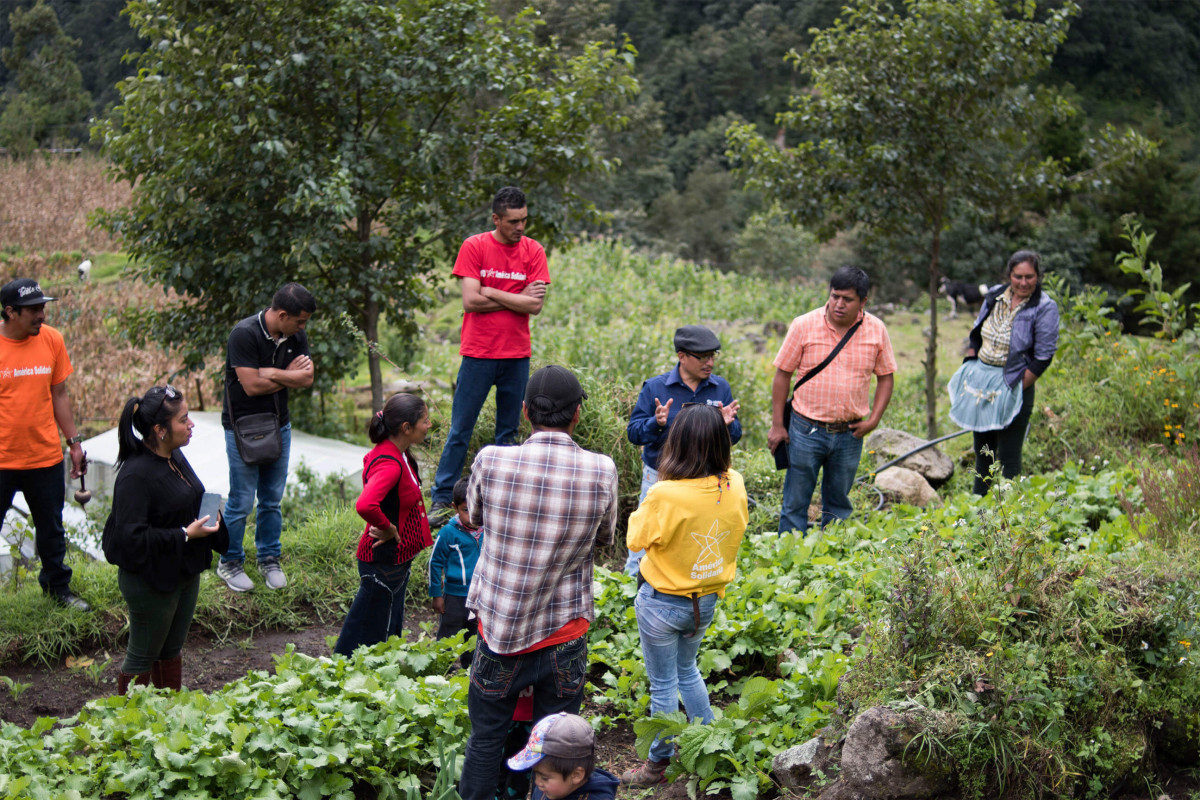
En la comunidad El Canaque, San Marcos, se logró mantener una tasa de adherencia al proyecto muy elevada, fueron más de 70 huertos familiares activos, sumando el funcionamiento de cinco huertos comunitarios.
Se implementaron y consolidaron diversas técnicas de construcción de invernaderos, lo que permitió mejorar la producción y contribuir a su diversificación.
Los huertos comunitarios estuvieron orientados a la producción de semilleros, a fin de garantizar la sustentabilidad de la iniciativa.
Vecinos de la comunidad, motivados por el intercambio de experiencias y por los conocimientos adquiridos en los proyectos, lograron crear y consolidar la “Bio-fábrica”, un emprendimiento orientado a la producción y comercialización de biopreparados agroecológicos.
En el ámbito nutricional, se incorporaron hábitos saludables como: el lavado de manos, la desinfección de frutas y verduras, el tratamiento de agua para el consumo y la adecuada alimentación de los menores de dos años y embarazadas.
Luego de 3 años de la intervención el 91 por ciento de las familias incorporó al menos dos de estos hábitos en su quehacer cotidiano. En el consumo de verduras y hortalizas, las familias iniciaron a incluir verduras diariamente en su alimentación ya que únicamente lo hacían 3 veces por semana.
Al finalizar el proyecto la tasa de desnutrición descendió al 52 por ciento, es decir, bajo nueve puntos porcentuales al diagnóstico inicial del 2014. Se conformaron grupos de promotoras de salud quienes hicieron conciencia de la importancia de los hábitos para la salud y alimentación de las familias.
En el ámbito social, se logró una excelente articulación de la comunidad por cada sector, generando cohesión social e identidad entre los participantes. Son las propias familias que establecen y controlan los compromisos adquiridos con el proyecto y la comunidad.
Se trabajó el liderazgo y empoderamiento comunitario, observado hoy en día una mayor apertura hacia personas ajenas a la comunidad y un mejor desplante a la hora de explicar el proyecto y sus beneficios.
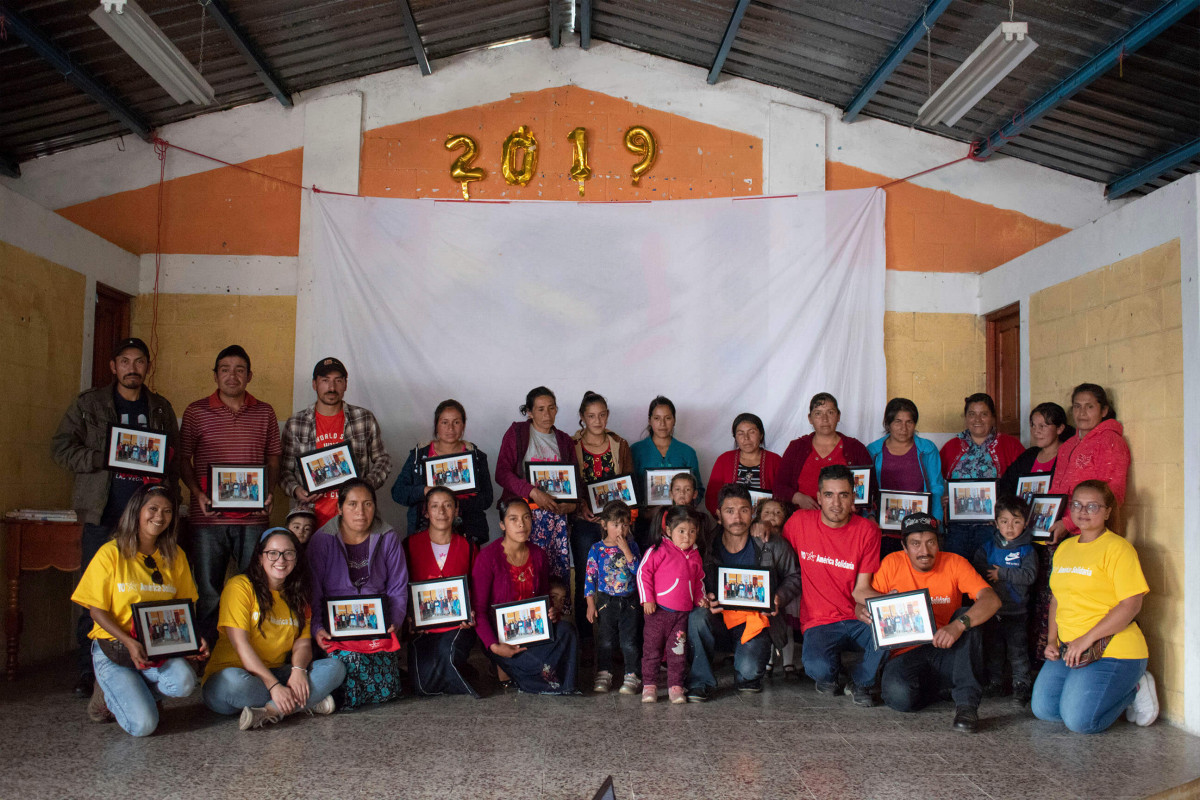
En la Comunidad Calanté, El Quiché, se fortalecieron y capacitaron a las familias sobre los bueno hábitos y prácticas de alimentación e higiene en el hogar, permitiendo que se mejore el valor nutricional de los alimentos que consumen con frecuencia.
A los miembros del Comité de Salud se les capacitó sobre los hábitos de higiene y nutrición con los que debe de contar para disminuir la tasa de desnutrición que existe en su comunidad. Para que las familias habiten en un entorno saludable se implementó el Kit Saludable que consiste en una Estufa Mejorada, Letrina y un Filtro Purificador para agua. Asimismo, las viviendas fueron remozadas para que las familias habiten en un entorno adecuado.
A las familias se les brindó y se les enseñó como sembrar sus propios alimentos, el mantenimiento que deben de tener con cada uno de los huertos, esto para que en un futuro puedan vender sus propios cultivos y así mejorará su economía familiar.
En Hábitat no solo nos enfocamos en el tema de construcción de viviendas, también nos enfocamos en brindarle a los guatemaltecos las bases necesarias para mejorar su salud, mejorar la economía comunitaria para que sean comunidades autosuficientes y sostenibles.
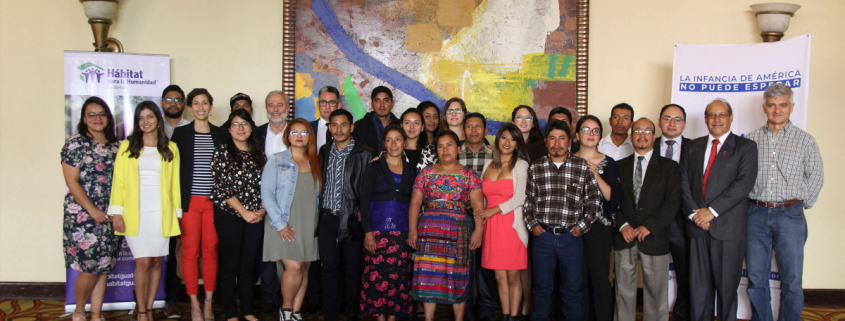
Desde el 2014, Hábitat para la Humanidad Guatemala lideró junto a Fundación América Solidaria Chile, el Fondo de Solidaridad e Inversión Social (FOSIS), Fundación CIASPE de México y con el financiamiento de Agencia Chilena de Cooperación Internacional para el Desarrollo (AGCI); el “Proyecto de huertos de autoconsumo para familias y comunidades, para educar y mejorar la alimentación de las personas”, con el fin de contribuir a mejorar la calidad de vida de familias y comunidades en condiciones de malnutrición, pobreza y/o exclusión al acceso de una alimentación de calidad.
El proyecto fue ejecutado en 3 comunidades, 2014 inició en la Aldea Macalajau, El Quiché; en el 2015 en la comunidad El Canaque, San Marcos; y 2017 en la comunidad Calanté, El Quiché.
Se beneficiaron a más de cien familias, quienes incorporaron hábitos saludables como: el lavado de manos, la desinfección de frutas y verduras, el tratamiento de agua para el consumo y la adecuada alimentación de los menores de dos años y de embarazadas.
El 12 de noviembre finalizó este proyecto que estuvo centrado en los procesos de equidad, que contribuyen a disminuir la desigualdad y violencia basada en género, en el proyecto se procuró combatir los estereotipos, favoreciendo la inserción de la mujer en los espacios de toma de decisión y de acción comunitaria, mientras que se involucró al hombre en las labores y cuidados del hogar.
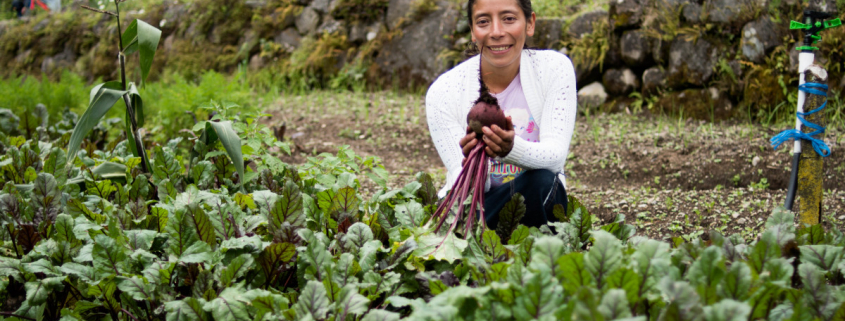

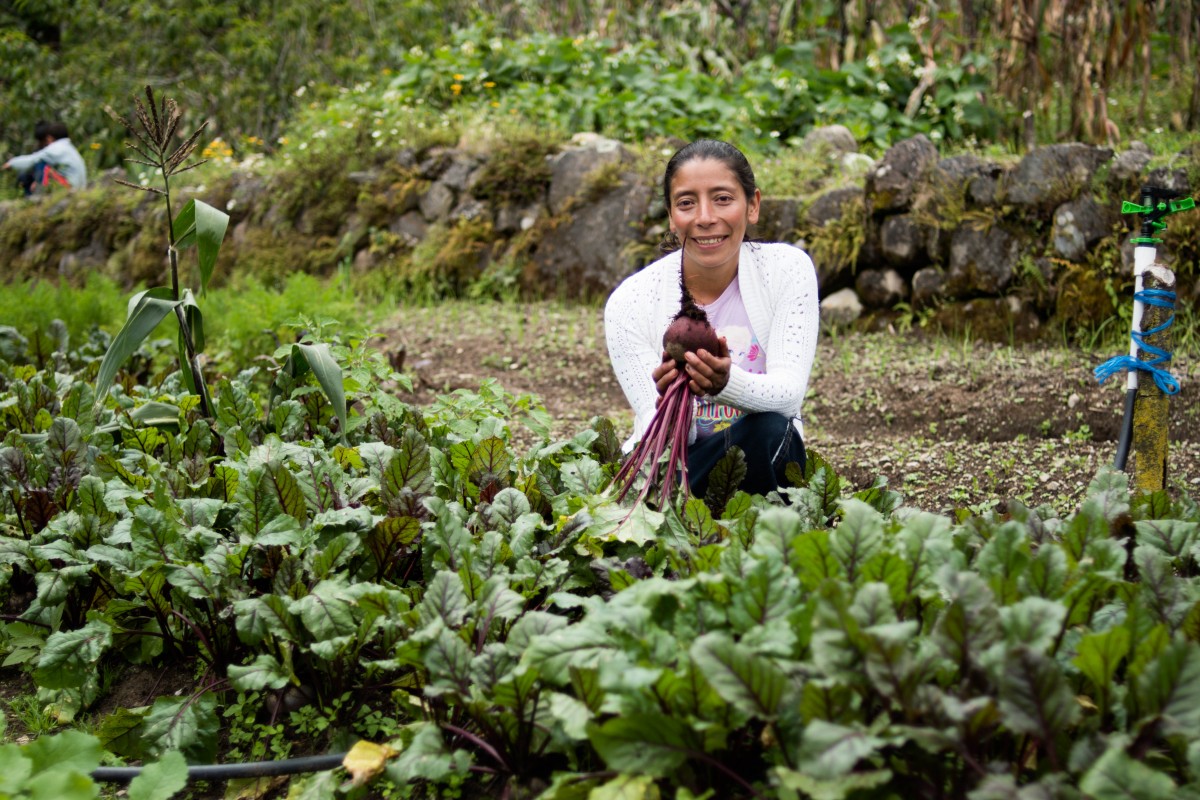
Mangloris lives with her husband Usbaldo, and their five children, Mariela (15), Osbin (13), Yohanely (10) Ilsa (7) and Abraham (4) in the community of El Canaque, San Marcos, at the skirts of Volcano Tajamulco. Usbaldo works in agriculture, while Mangloris takes care of the children. Mangloris is very involved in the communal garden and is on the local Health Committee.
It is not an easy road to get to Canaque, but as soon as you enter it, you can notice the warmth of the people and the shy smiles of the children watching you.
Mangloris is part of Habitat Guatemala’s Family Gardens Project that started in 2014. Six years later, she proudly walks us through the community garden, which is filled with a variety of different vegetables. Mangloris shares how their lives have changed and their nutrition has improved.
“Since we started our family my husband and I have enjoyed taking care of our own garden. Before the project we harvested a small piece of land. When this project started, we joined in! Now, our garden has improved tremendously,” says Mangloris.
“Through the support of the organizations and our own means, we have learned and improved as a family and team. We have harvested big crops of carrots, onions and trees to sell abroad.” Mangloris continues, “We started working on our own, and bought news seeds and other items to keep on growing and growing. The main goal of the project was to teach us how to work on our own, and now we are ready.”


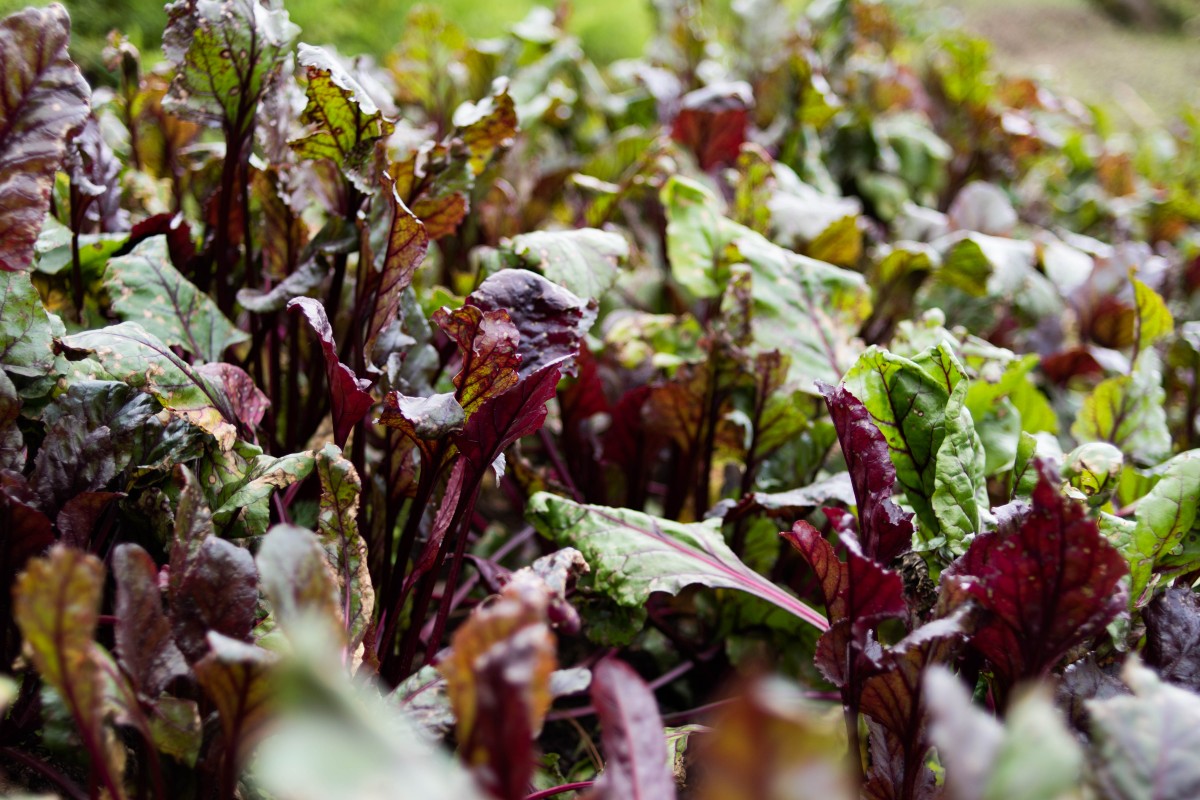
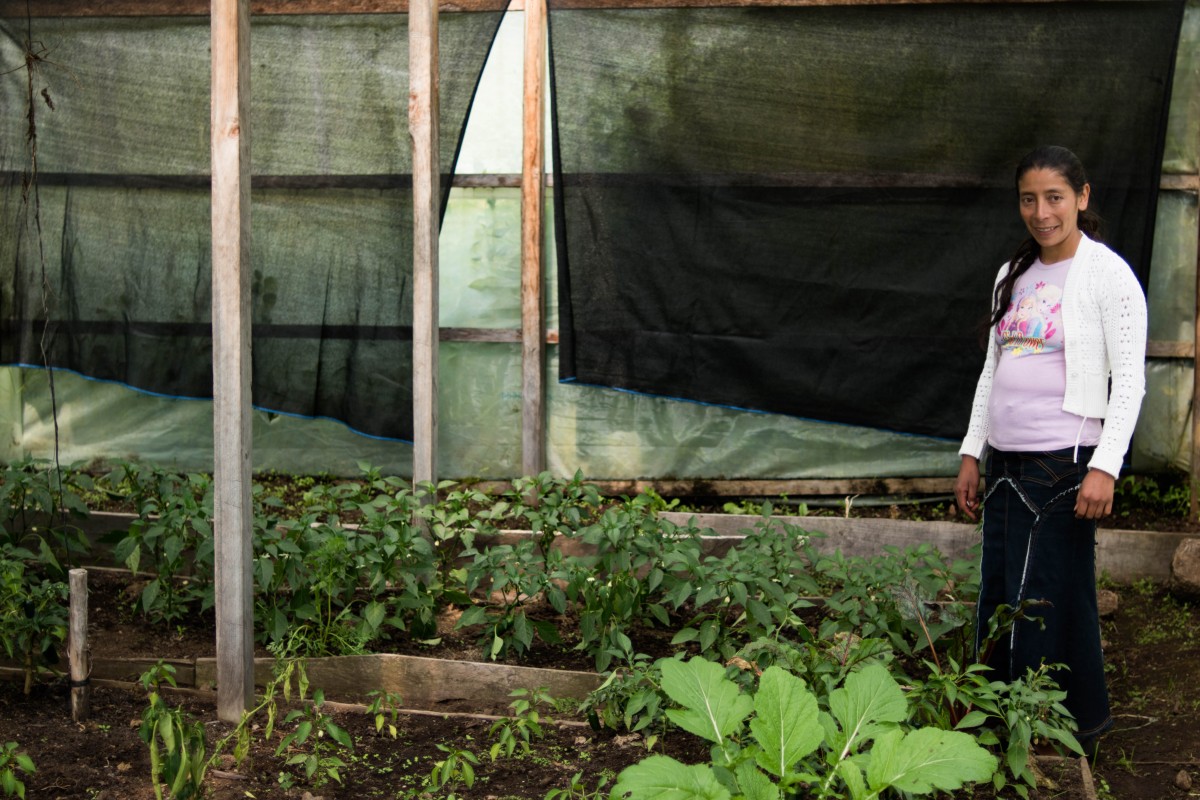
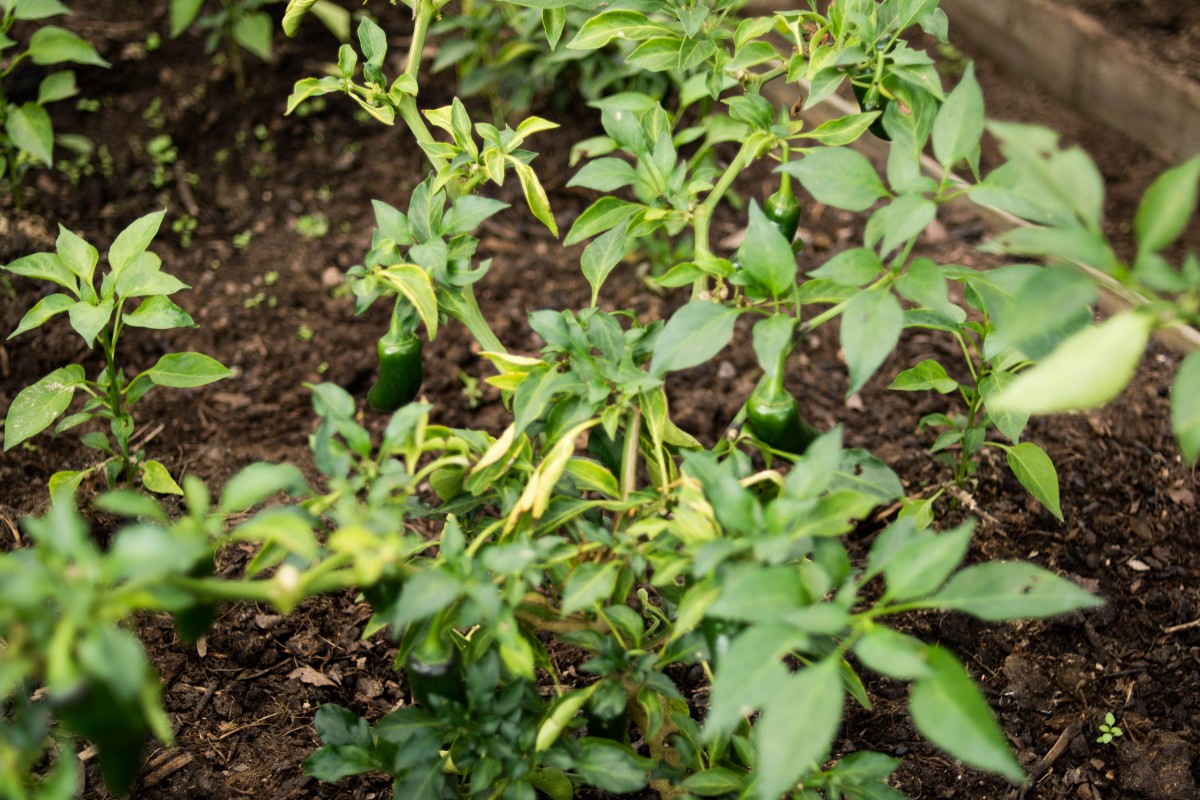
By changing their eating habits and diversifying their diets, Mangloris explains that their quality of life has improved. “We learned to use every part of the vegetables that we grow by cooking them in different recipes for our children. We also use the seeds from the vegetables for future harvests.” She continues, “It has been a great experience, because we have learned, grown and worked together! It has not been an easy road. But we continue moving forward. My dream is that one day, we will be selling all of our products in different towns.”
When asked about her personal experience with the volunteer teams that were in the community, Mangloris explains, “Every time that we go out and see our gardens, we remember all of the volunteers. We are moving forward and will continue to keep working with our gardens.”
“My dream is to keep working as a team. We need to work together as a community to continue improving. And I am hoping to keep working with Habitat Guatemala and America Solidaria too. I want to keep on dreaming and dreaming big! I have always enjoyed working with communities, motivating my team and showing them how to keep on dreaming to expand and grow.”
When asked about the seeds received from Rotarians Against Hunger, she shares, “The radishes grew really big! I prepared them in different dishes for my children and they loved it! We learned how to take full advantage of everything here, and now, all of the products are growing properly.”
To the volunteers and staff that have worked with the community for the past six years, Mangloris says, “Thank you. We love and miss you all! We did a great job all together. Thank you for picking our community to work it and for teaching us. Canaque is a kind community that has welcomed all. May God bless you!”
To the seeds donors, Mangloris would like to express, “We are very grateful for the seeds! They have been of great use to all of us. We have harvested and eaten them already. Thank you and may God bless you.”
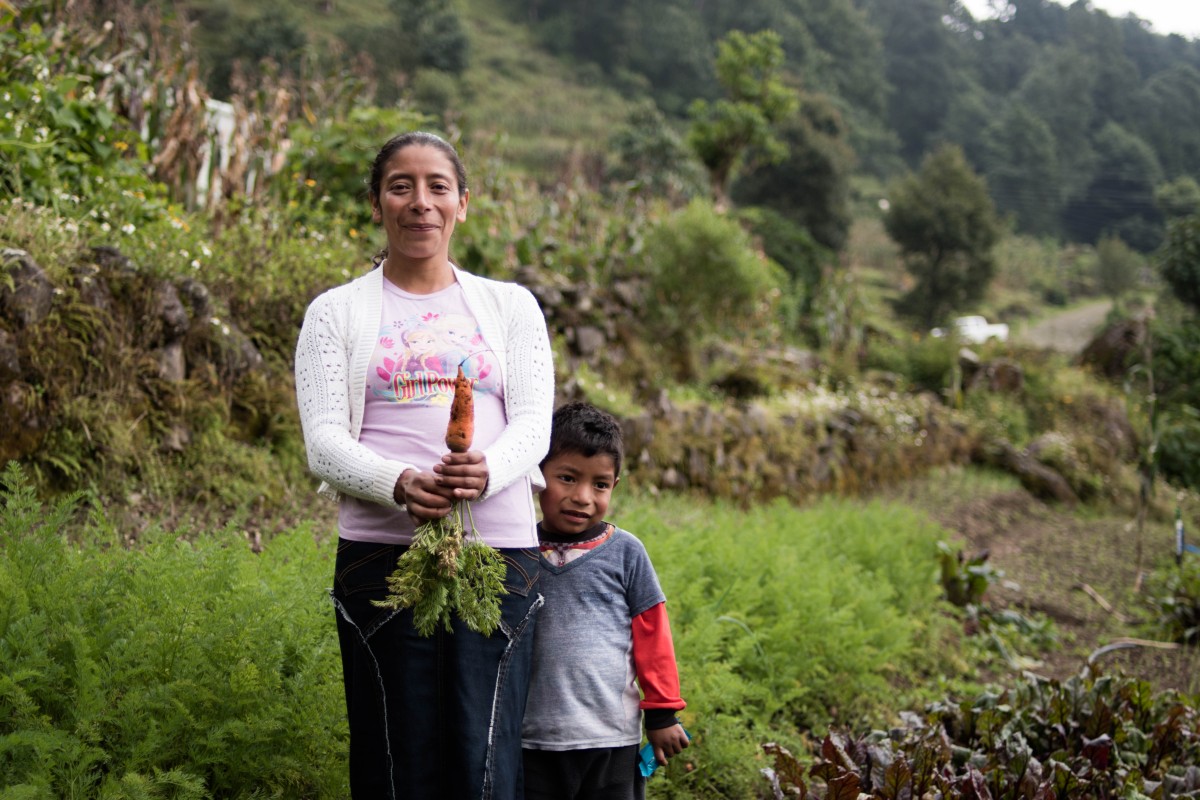
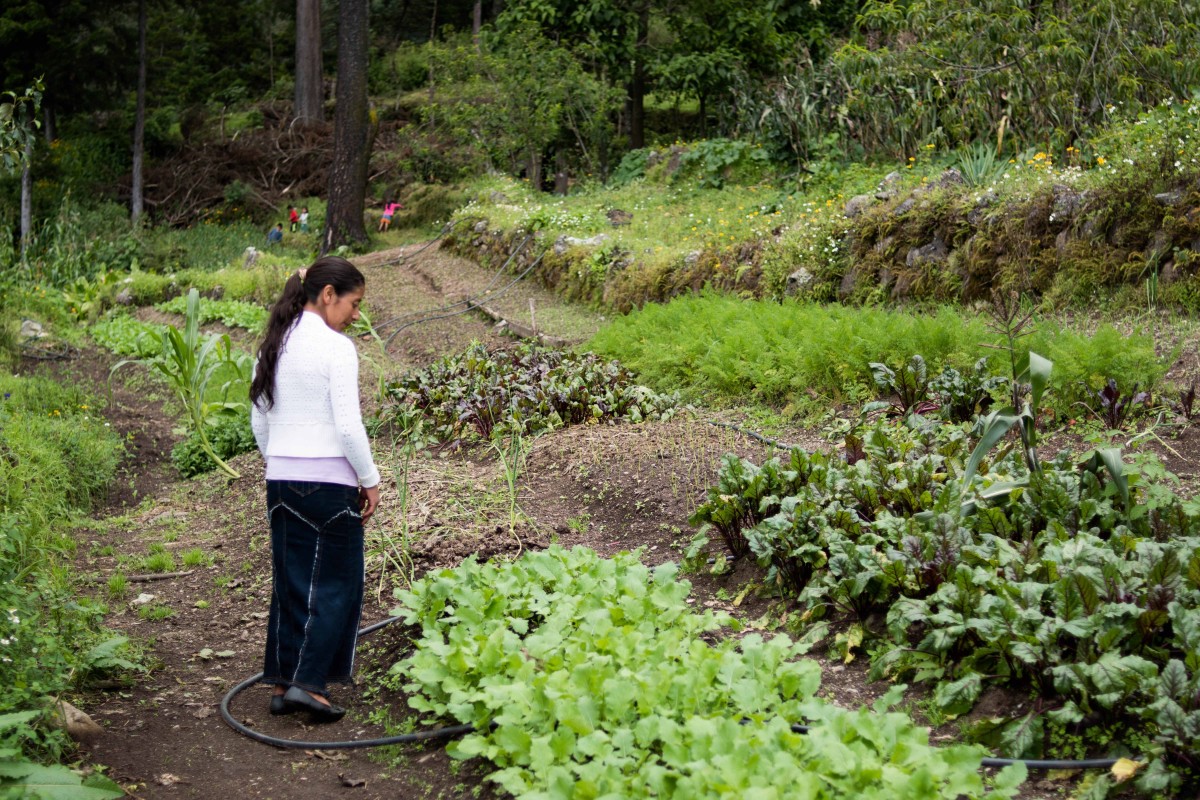


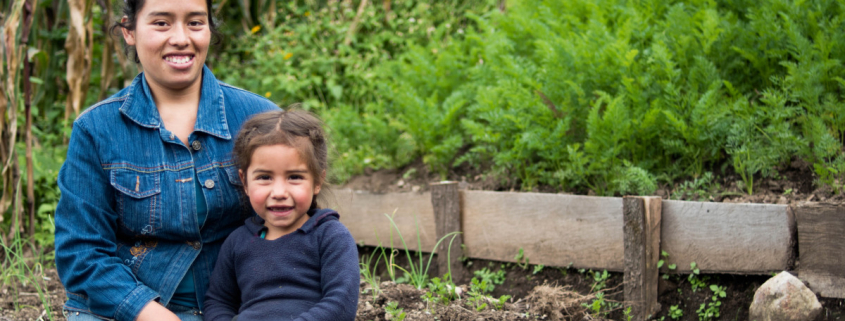

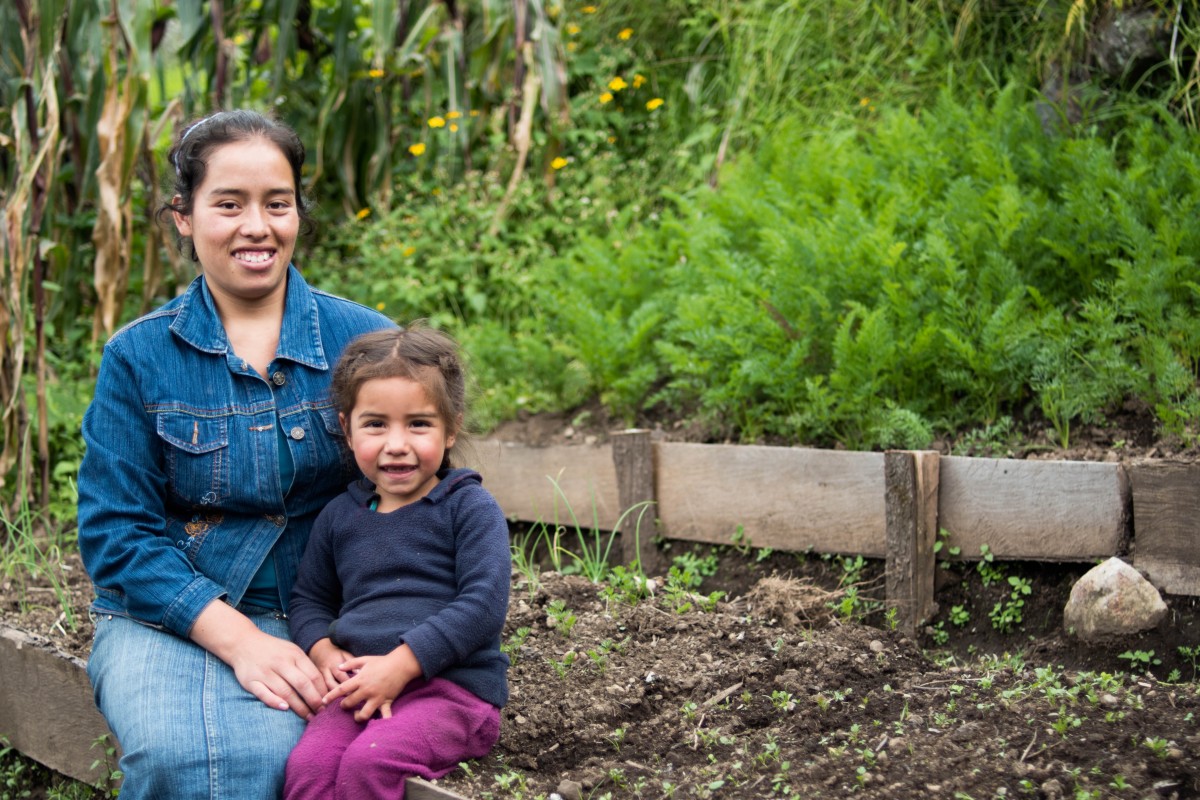
Dionila lives with her husband Ervi and their three children, Jainer (7), Ninel (3) and Elgi (1), in the community of El Canaque, San Marcos at the skirts of Volcano Tajumulco. Ervi works in agriculture, while Dionila is a stay at home mom.
It is not an easy road to get to Canaque, but as soon as you enter it, you can notice the warmth of the people and the shy smiles of the children watching you.
Dionila is part of Habitat Guatemala’s Family Gardens Project that started on 2014. Six years later, she is happy with her garden. Dionila mainly grows tomatoes to sell among the community members. In the future she hopes to sell to nearby towns.
“Before the project, we bought our vegetables in the nearest town, without knowing we could harvest them here. Now, we harvest tomatoes, carrots, onions, radishes, coriander, and several other vegetables from our garden.” When asked what her favorite vegetable is, Dionila responds, “Tomatoes!” Ninel adds, “Beets!”


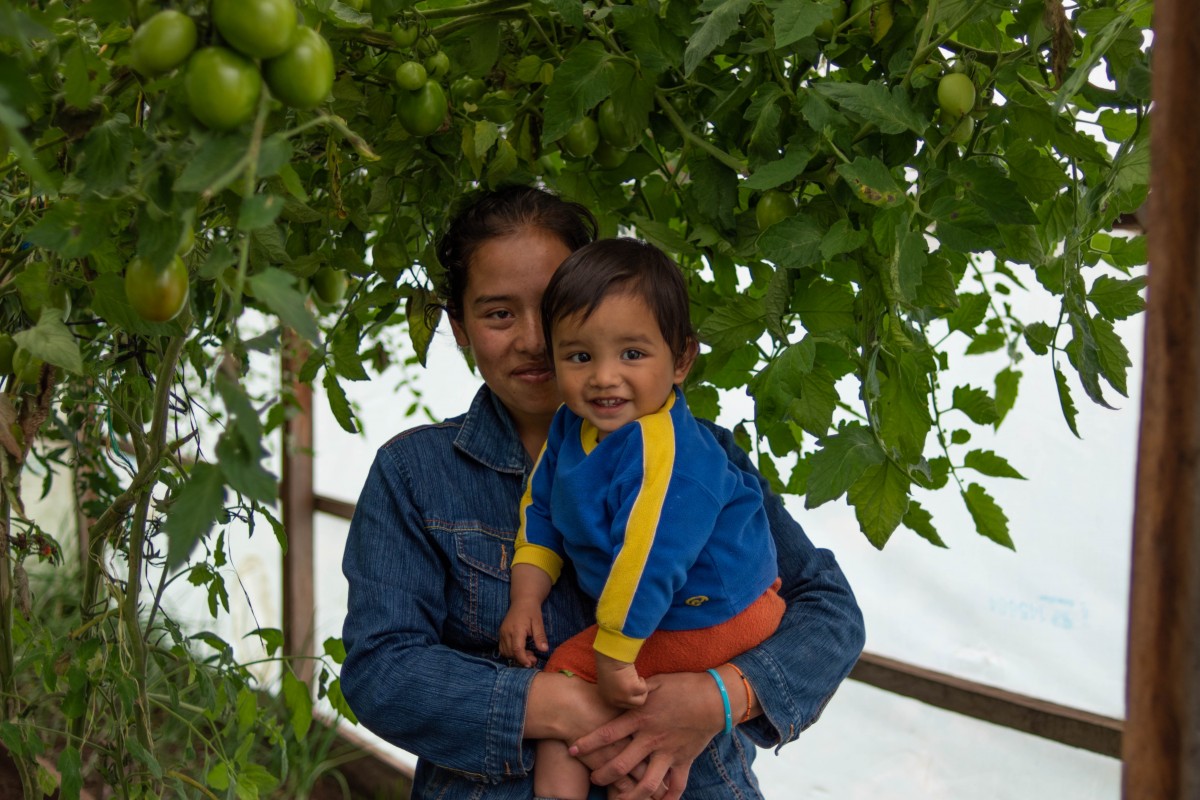
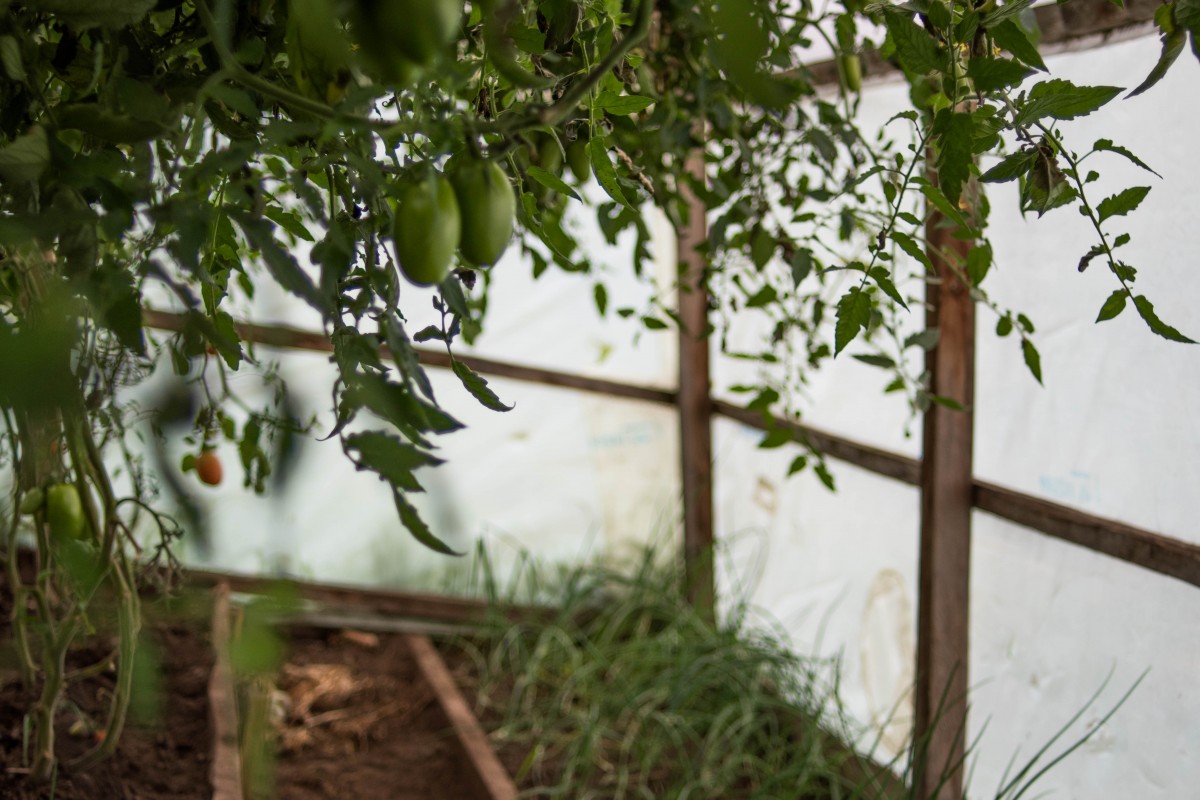
Since the garden project became a part of the family’s life, their eating habits have changed. They have learned new ways to cook all the vegetables that they grow. By adding new vegetables to their diet their quality of life has improved. “To prevent my children from getting bored of vegetables, we have learned to prepare them in different ways. We put them in pies, eggs, and in many other recipes,” explains Dionila.
When asked about the seeds received from Rotarians Against Hunger, Dionila shares, “The onion and carrots have grown really big. We are content.”
To the volunteers and staff that have worked with the community for the past six years, Dionila says, “Thank you all for sharing your knowledge! We have learned how to harvest different vegetables in our own gardens. Now, I am harvesting big tomatoes in my greenhouse to sell them around the community.”
In the future Dionila is planning to continue expanding her own garden and the community garden too! “We want to continue working hard in the garden, to sell our productions and keep on buying seeds and different varieties,” she says.
To the seeds donors, Dionila says, “Thank you for the seeds that we harvest and eat. Thank you.”
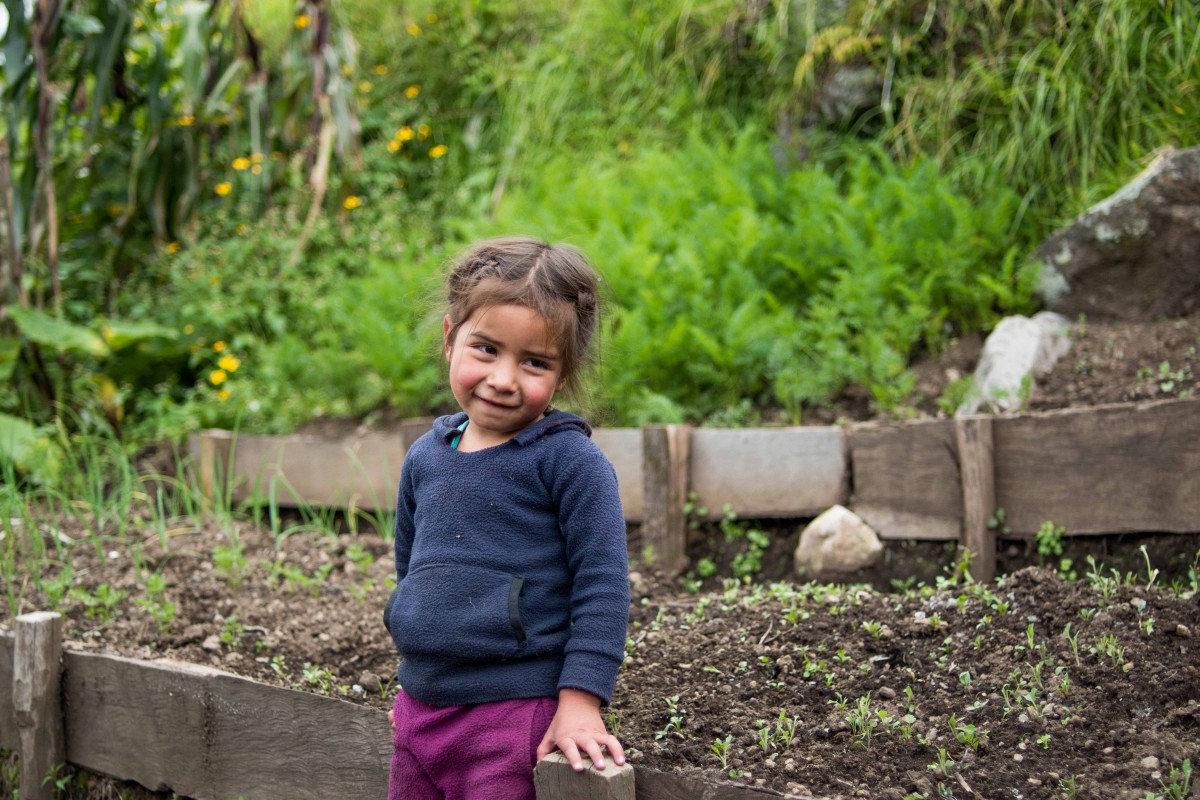
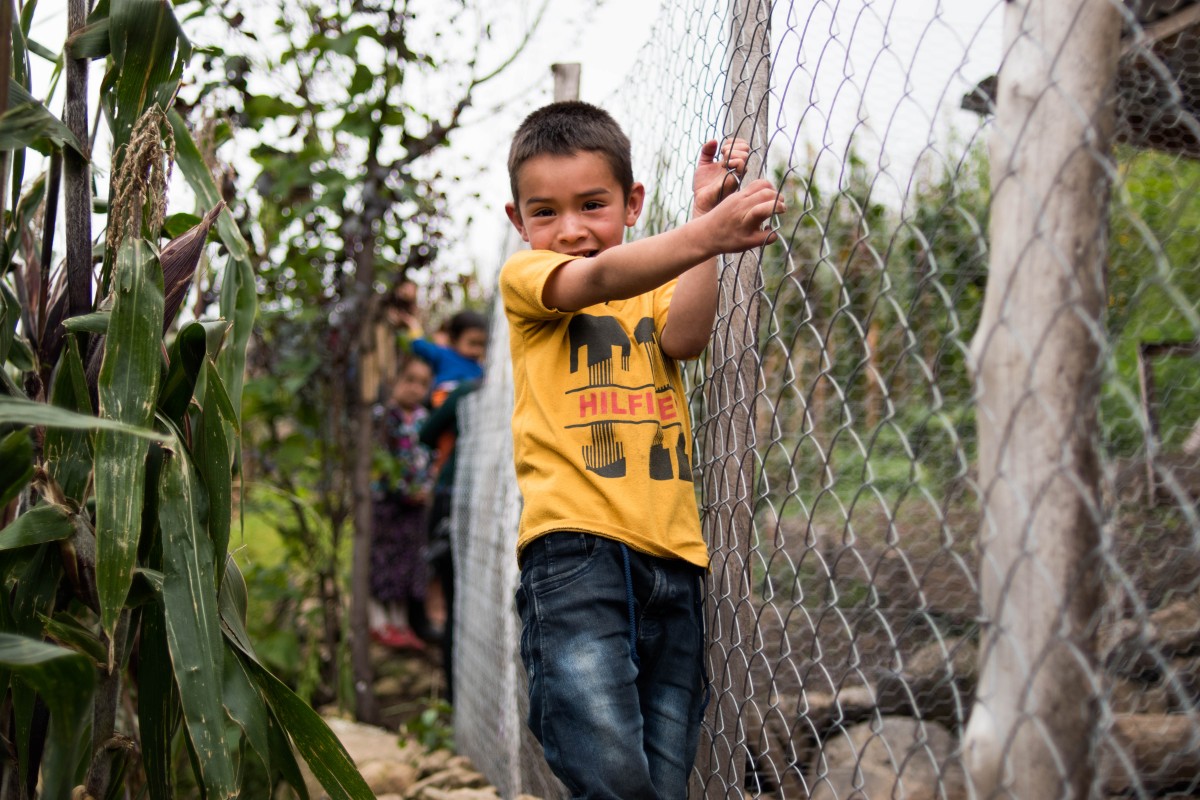


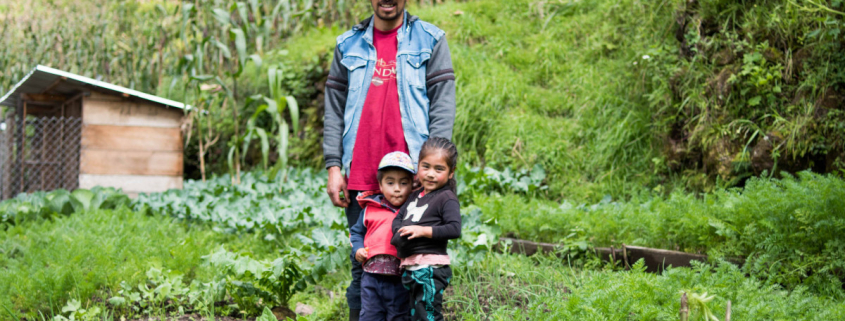

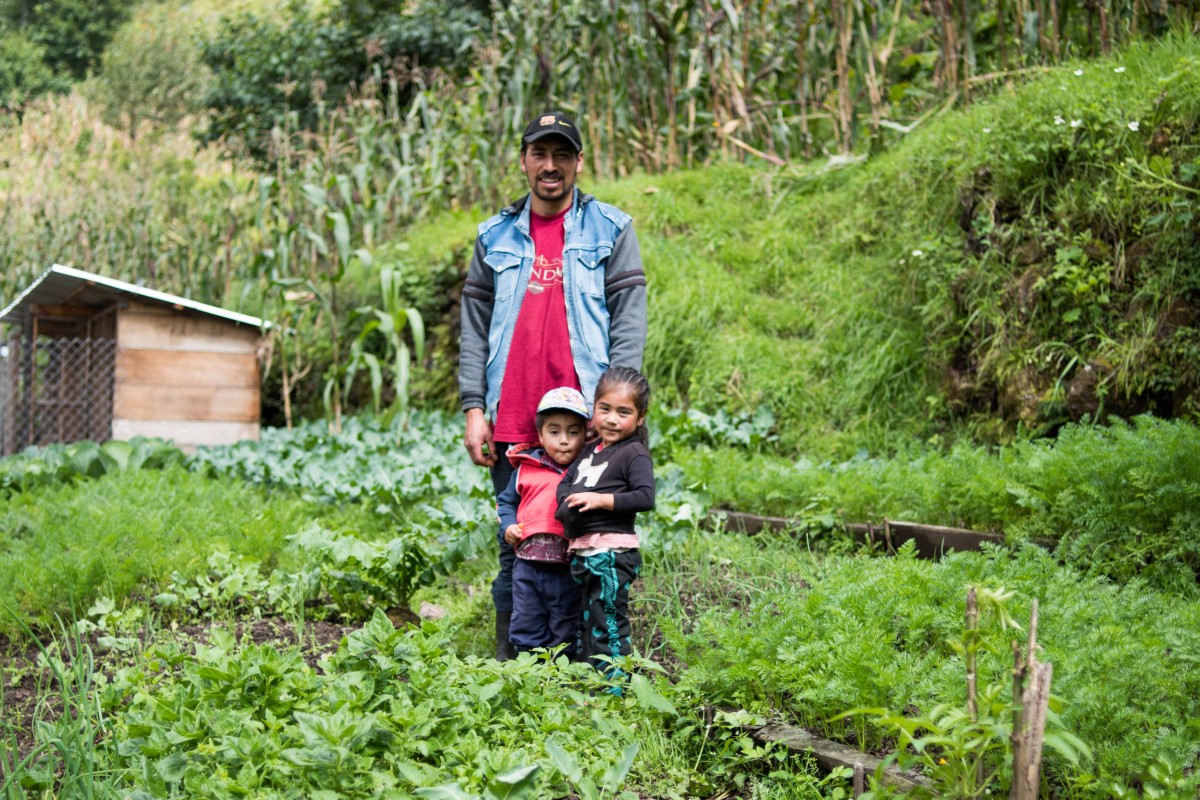
Baldomeo lives with his wife Javiera, and their five children in the community of El Canaque, San Marcos, located at the skirts of Volcano Tajumulco. Baldomeo works in agriculture, while Javiera stays at home to thake care of their children.
It is not an easy road to get to Canaque, but as soon as you enter it, you can notice the warmth of the people and the shy smiles of the children watching you.
Baldomeo is part of Habitat Guatemala’s Family Gardens Project that started in 2014. Six years later, Baldomeo proudly shows his garden, filled with a variety of different vegetables. He shares how their lives have changed and that they now have a more nutritious diet.
“We used to buy every vegetable that we ate, like onions, carrots, spinach, cabbage, radish and many more. Now, if we want to eat something, we just grab it from our backyard; feeling calm and happy knowing it’s organic and fresh,” says Baldomeo.


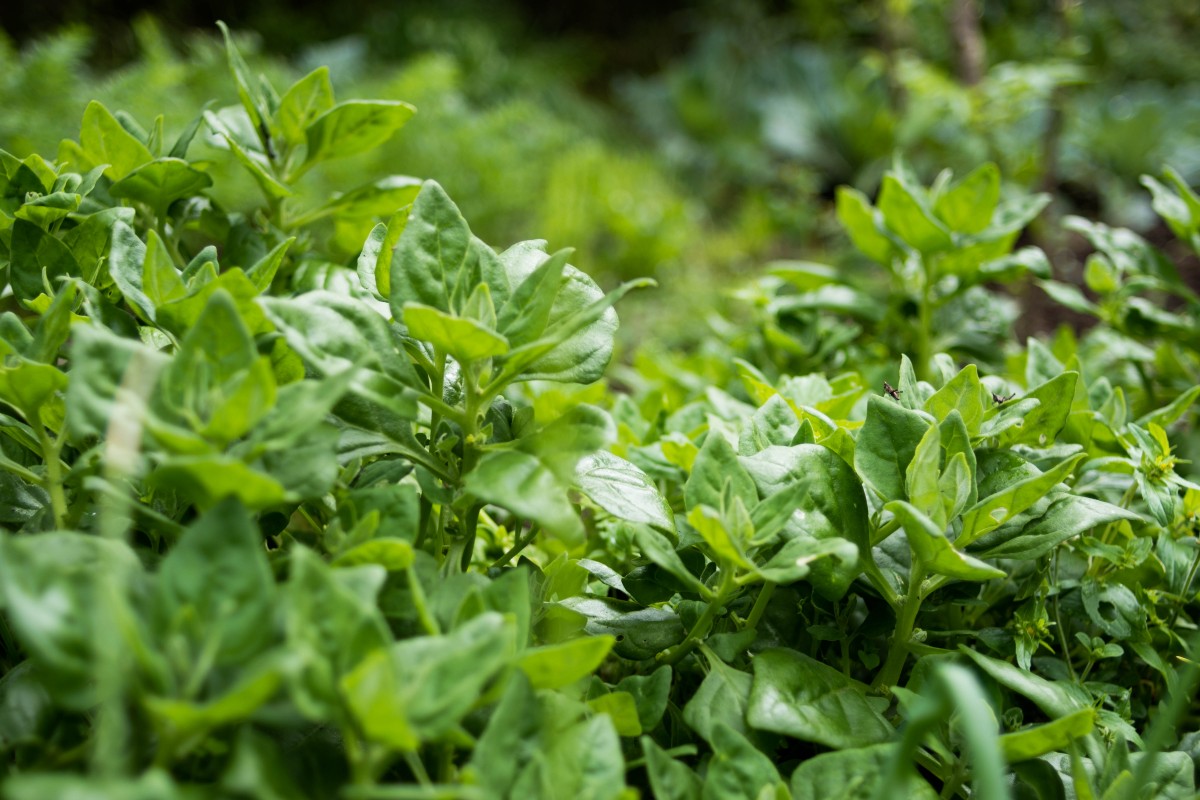
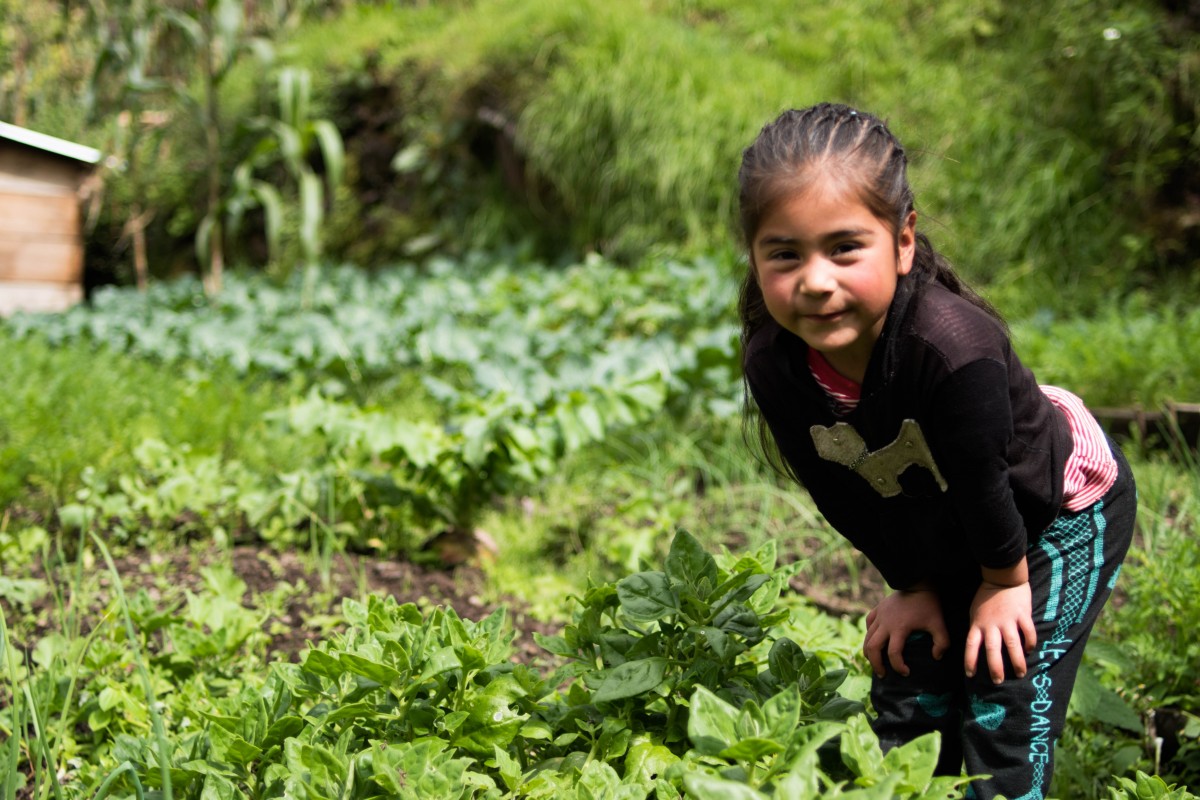
The family’s eating habits have changed too. They have learned new ways to cook all of the vegetables they have at their reach; taking full advantage of their nutritional value. The family has added new types of vegetables to their diet, “We learned to prepare omelettes with spinach, beets, and carrots, among other dishes. Making these improvements has helped our children’s nutrition,” explains Baldomeo.
When asked about the seeds received from Rotarians Against Hunger, Baldomeo explains, “The spinach, onions, radish and carrots have grown great! We received a new variety of spinach and it tastes really good!”
Baldomeo is the leader of “Garden 5.” As part of the project he, along with other members of the community, received a series of different trainings about agriculture, community development and nutrition. “During one of the trainings, they (Habitat & America Solidaria) took us to a place where we saw how well they manage a garden in small spaces. Here, we have much more space, so we make the most of it. I have learned to make good use of the land that we have in order to have a bigger production and be able to sell some of it. We have our own henhouse and our own garden,” says Baldomeo.


To the volunteers and staff that have worked with the community for the past six years, Baldomeo expresses, “Thanks to each volunteer for all of the knowledge that they shared with us. They have helped us improve, and now we are improving our lives on our own.”
To the seeds donors, Baldomeo iterates, “Thank you for the donation of the seeds, they have been growing great! We are looking forward to receive further support from you in the future.”

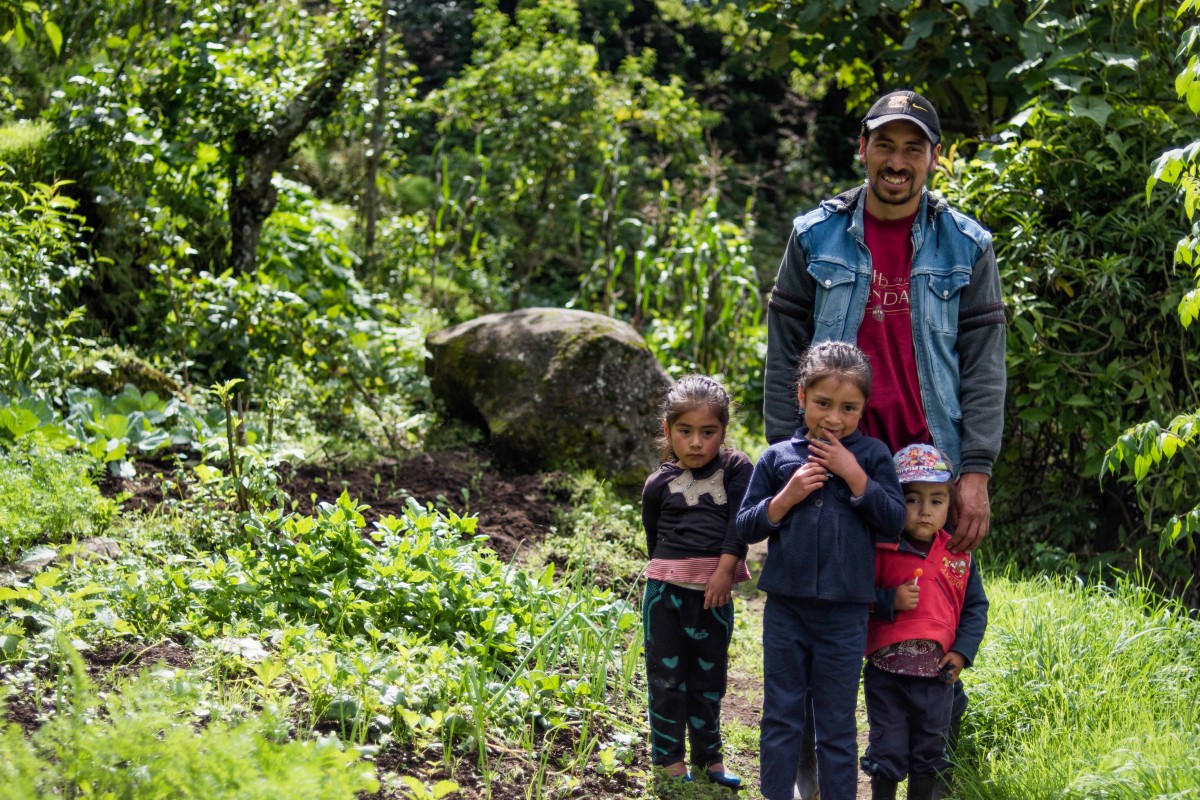
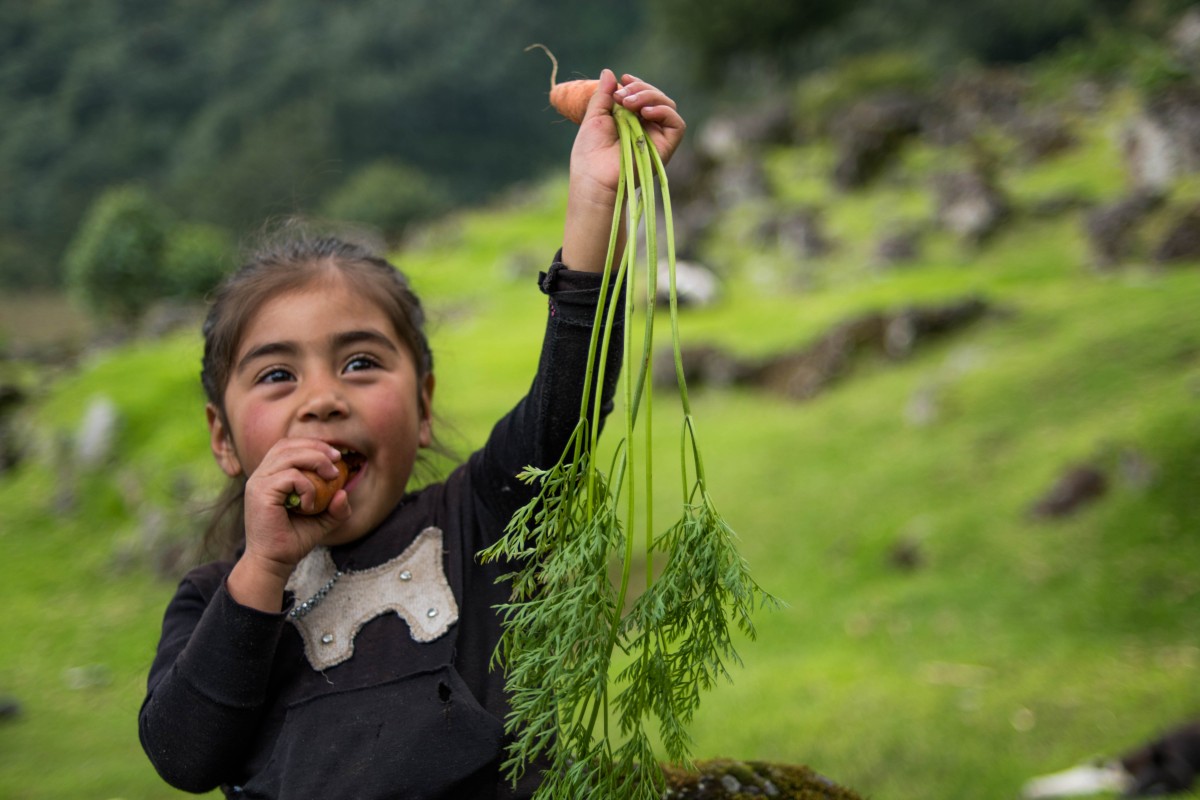
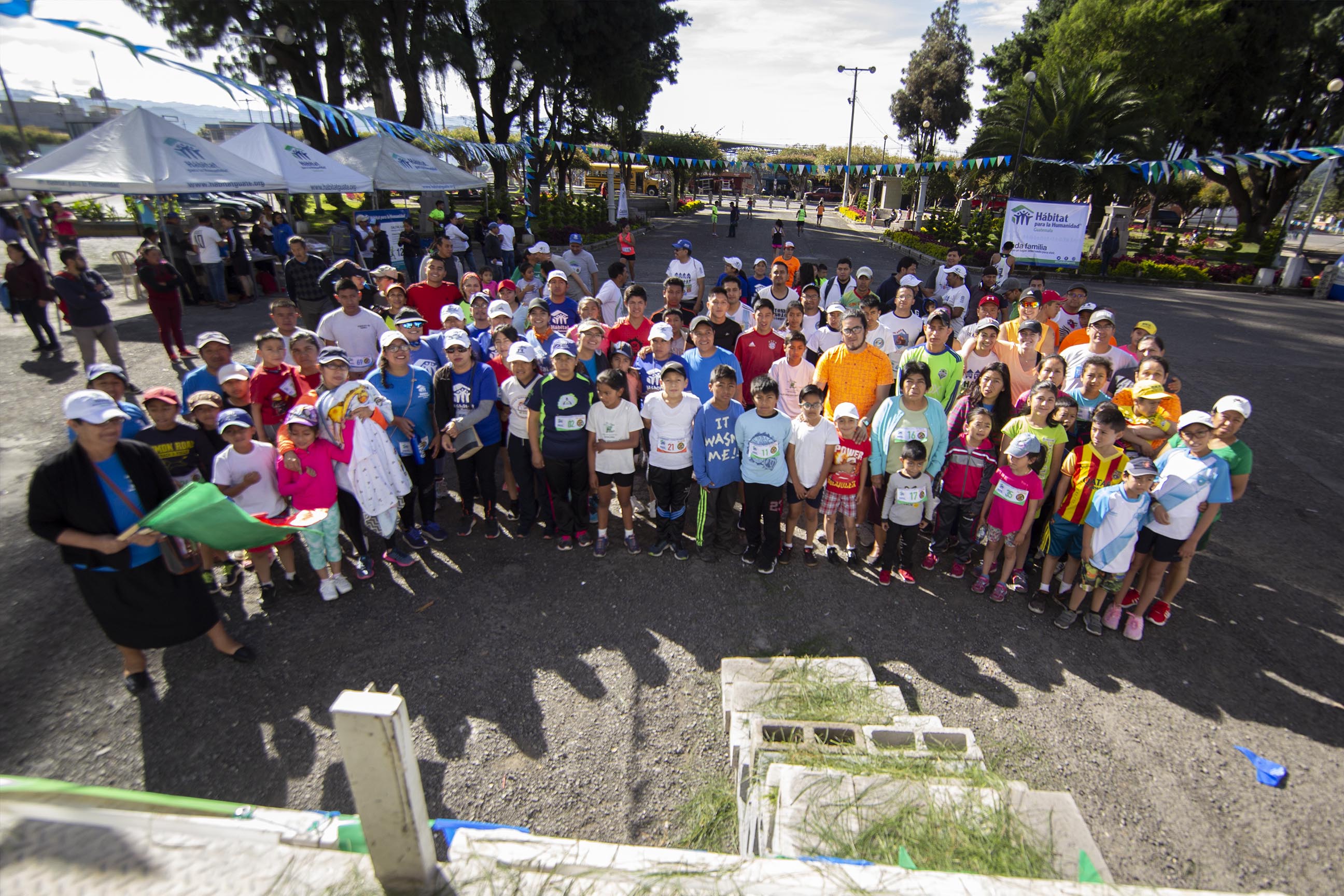
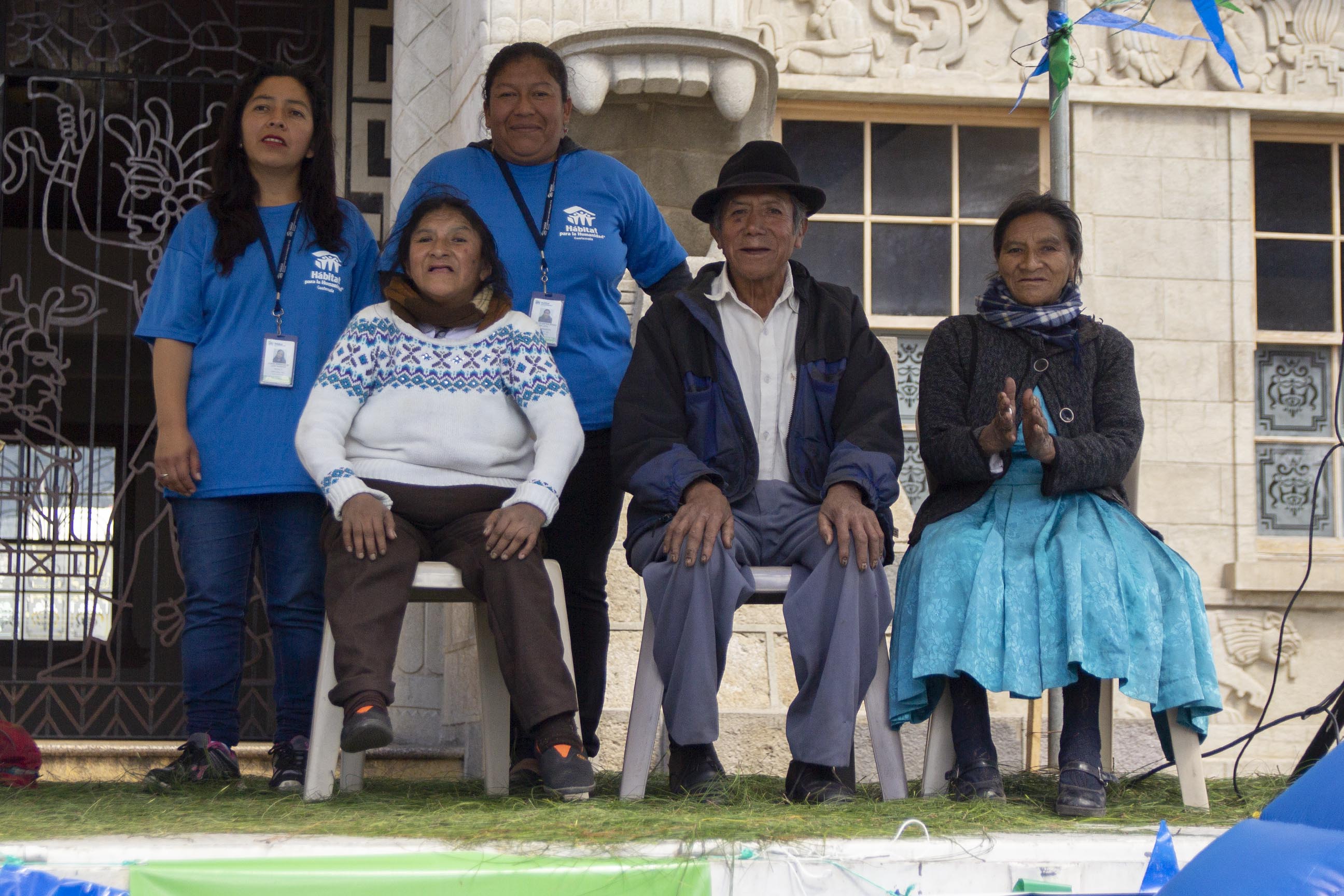
El pasado 12 de octubre se llevó a cabo nuestra carrera “Corriendo Construimos un Sueño” en el departamento de San Marcos en donde participaron más de 130 personas.
La carrera tuvo como objetivo contribuir con la reducción del déficit habitacional brindándole a la familia Gómez la construcción de una vivienda adecuada con lo recaudado, para que ellos puedan habitar en un entorno seguro.
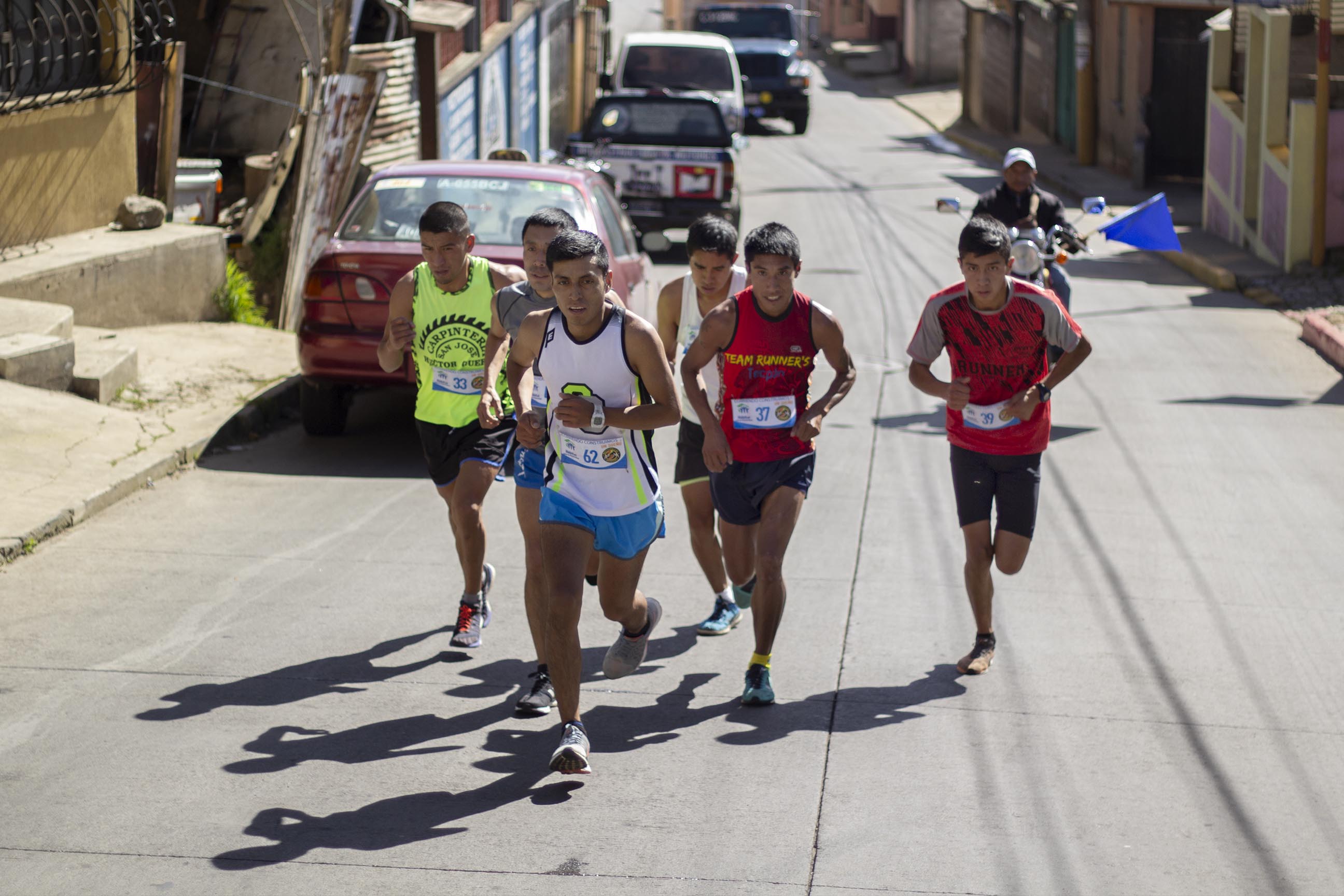
Con lo recaudado se estará mejorando la vivienda de la familia, agradecemos a todas las personas y empresas que apoyaron esta noble causa y se involucraron en nuestra carrera.
¡Gracias! Renaud Cuchet, Construred, Agua Pura Manantial, Banco los Trabajadores, Multiservicios Marquense, Universidad Regional, Distribuidora Marquense, Funeraria Eternidad, Confecciones Fred, División DMC Guatemala, Iglesia Miel.
atención al cliente
QUETZALTENANGO
18 avenida 5-13 zona 3.
7736-8264 / 7763-7524 / 4740-6832
atención al cliente
GUATEMALA (REGIÓN GUATE-CENTRO)
3 Av. 8-26, Zona 10. Guatemala
23392223
atencionfamilias@habitatguate.org
© 2020 Habitat para la Humanidad ® Guatemala. | Desarrollado por iGuate.com