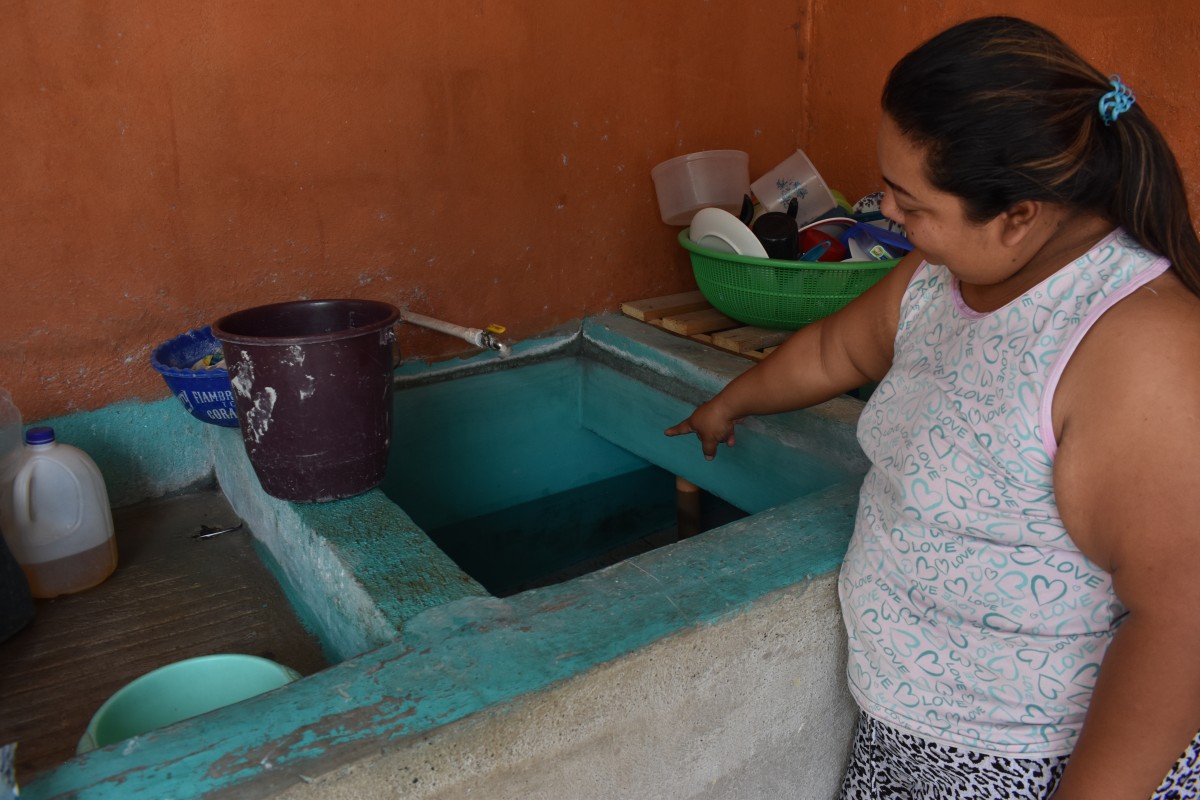
Mantenimiento de Techos y Cubiertas en Invierno

En Guatemala, el 8% de la población utiliza teja, palma o asbesto como cubierta, mientras que el material más predominante es la lámina metálica, utilizada por el 72%i. Dentro del mercado, este material se encuentra en diversidad, donde la población más vulnerable puede acceder a comprarlos, pero en calidades muy bajas (en la mayoría de las veces), lo que no es durable ni funcional a largo plazo, pues demanda un gasto constante o que simplemente la cubierta quede dañada. Una cubierta de calidad permite un aislamiento de las condiciones climáticas del exterior, evita la entrada de lluvias y es una parte fundamental del refugio básico de una familia.  

En HPHG reconocemos que un techo en buen estado puede brindar mejores condiciones de vida a las familias, evitar gastos innecesarios y brindar mayor seguridad. Intervenimos para rehabilitar viviendas, ofreciendo materiales para la instalación de techos y construcción de ambientes, con el objetivo de transformar viviendas, pero lo más importante, transformar vidas 
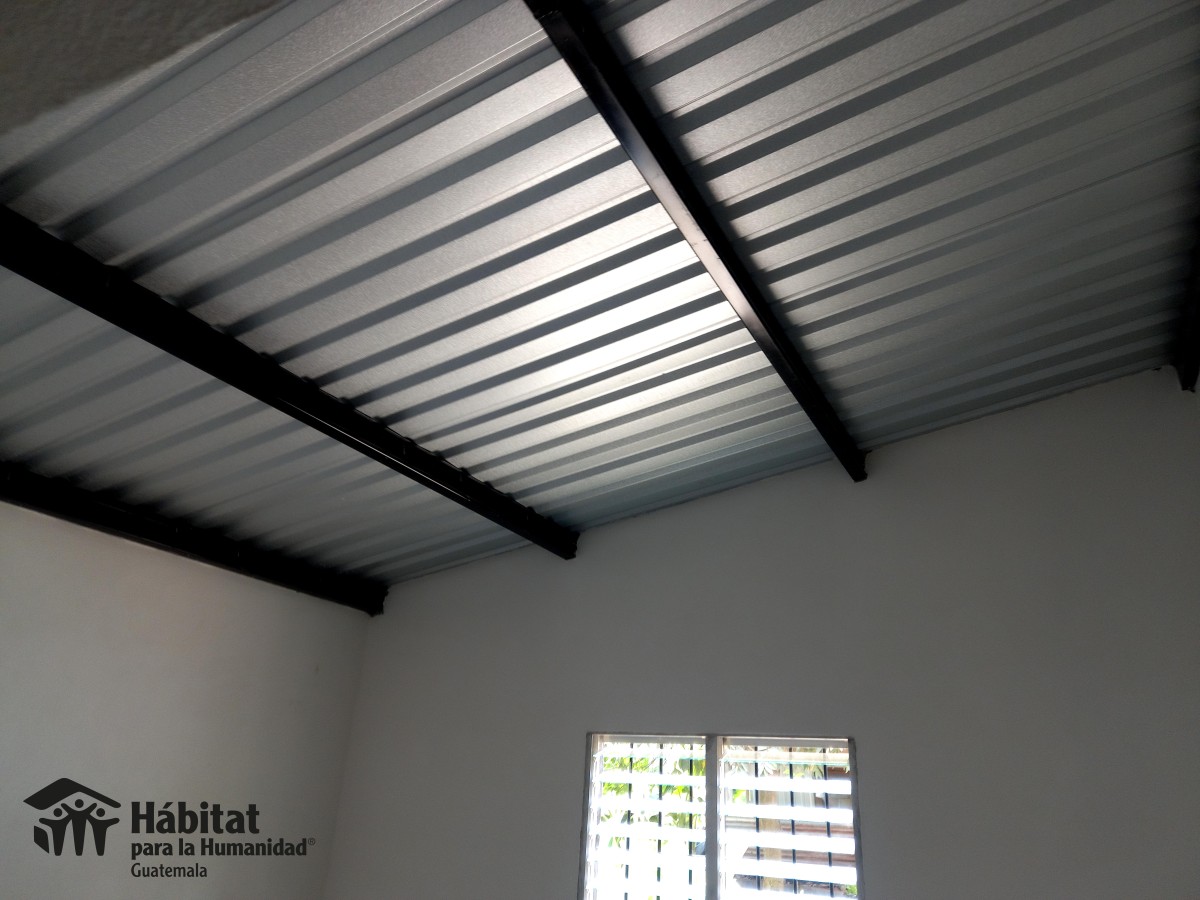
¿Por qué es importante hacer mantenimiento de techos y cubiertas? 

Los techos, así como cualquier elemento de una casa, necesitan mantenimiento, La mayoría de las personas no les hacen una inspección anual a sus techos, pero esto es clave para proteger su propiedad y su inversión. 

El mantenimiento de los techos es la revisión periódica de áreas vulnerables del techo que pueden ser susceptibles de tener un problema. Dependiendo del tipo de techo, puede necesitar que este trabajo sea anual. 

En el mantenimiento del techo se llevan a cabo, trabajos como: 

  • Revisión de las tuberías para ver si hay grietas o desgaste 
  • Elimina restos del techo y canales: las ramas de los árboles y hojas suelen caer en los techos, estos pueden tapar los desagües y causar filtraciones. 
  • Realizar inspección en busca de animales: la detección temprana de plagas en los techos es muy importante para evitar daños severos. 
  • Revisión de selladores sueltos y tapajuntas: estos son esenciales para mantener los techos herméticos. 


El mantenimiento de techos de casas previene problemas futuros. Detectar un problema a tiempo significará un gasto menor, que darse cuenta cuando ya es muy tarde. 

Además, al hacer el mantenimiento del techo maximiza el tiempo de vida del tejado. 


¿Cómo hacerle mantenimiento al techo? 

Sin importar el tipo de techo que tenga, debe asegurarse que dure lo que se espera de su tiempo de vida. Esto se logra con un buen cuidado y mantenimiento. 

Debe comprometerse a las inspecciones anuales y el mantenimiento preventivo, para prevenir reparaciones mayores por filtraciones y otros problemas. Incluso evitará tener que reemplazar el techo por completo antes de tiempo. 
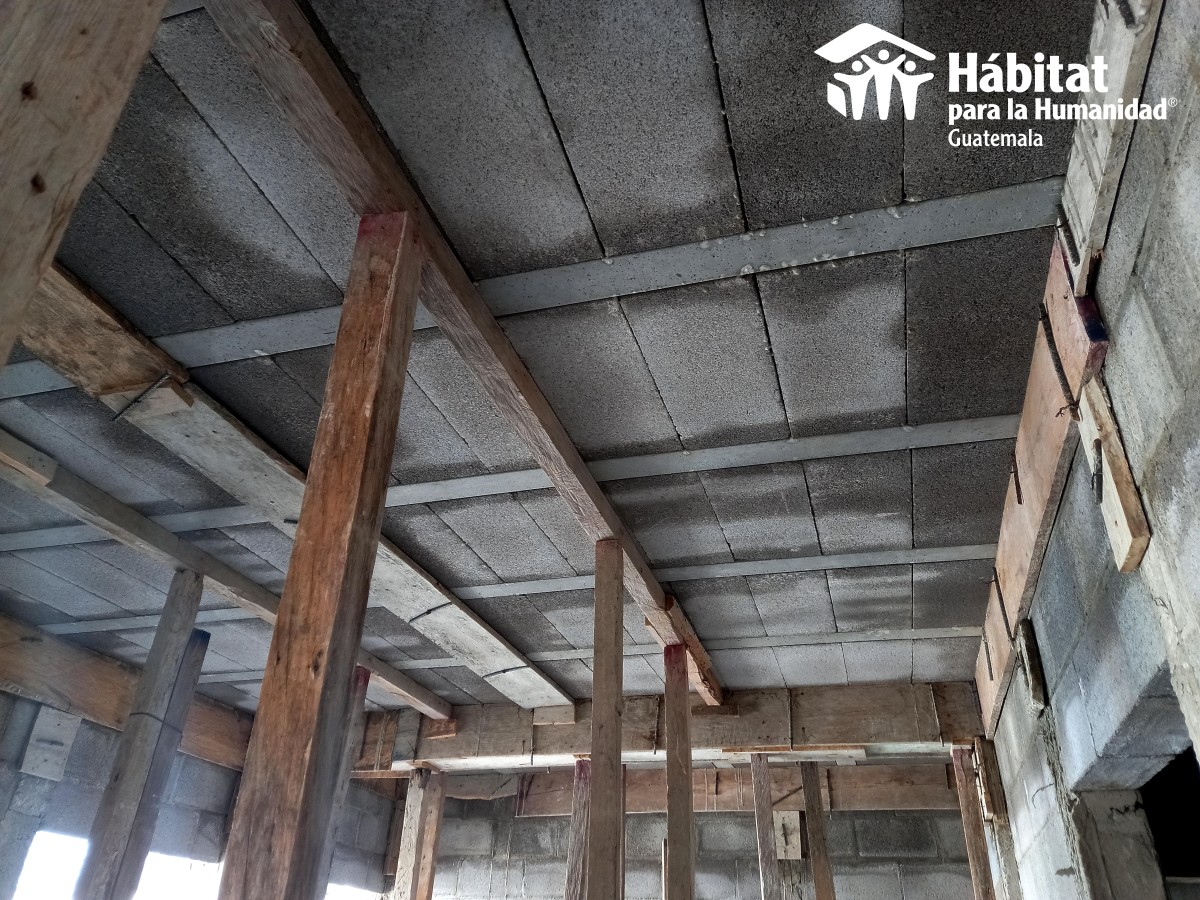
 

Los pasos básicos para el mantenimiento de techos son: 

Inspeccione las tejas/Lámina/Losa, de acuerdo a la estación climática. 

En cada estación hay situaciones únicas acordes al clima. Por ejemplo, en verano el calor, la humedad y el sol pueden dañar las tejas. En invierno, puede haber filtraciones por la lluvia. 

Por eso, inspeccionar en cada estación el techo es importante. Mire en las tejas/lámina/losa signos de desgaste o daño excesivo, vea si hay espacios rotos o acumulación de objetivos que generen deterioro. 

Mire si se está formando musgo, esto puede indicar que algo se está pudriendo debajo del techo. Actué de inmediato cuando encuentre cualquier problema, así evita que se agraven. 

Hágale un tratamiento anual para musgo y algas si las algas, el moho crecen en su tejado, esto puede causar un gran daño y, aparte, se ve mal. Esto ocurre en los meses más calientes, en áreas oscuras del techo, por lo tanto, debe darle su debido mantenimiento.  

Limpie y hágales mantenimiento a las canaletas 

Al estar en buenas condiciones, los canales protegen el techo. Ya que estos dirigen el agua y los desechos del techo a las tuberías de desagüe. 

Para asegurarse que funcionen bien los canales, estos deben limpiarse al menos dos veces al año, así se mantiene el flujo de agua. Si tiene muchos árboles cerca quizás deba hacerlo trimestralmente. 

Elimine hojas y escombros del techo regularmente 

Al quitar cualquier escombro o basura del techo protegerá su propiedad, evitará que crezca moho o algas. Tome en cuenta que no todas las hojas bajan por los canales, por eso es importante mirar el techo cada cierto tiempo. 
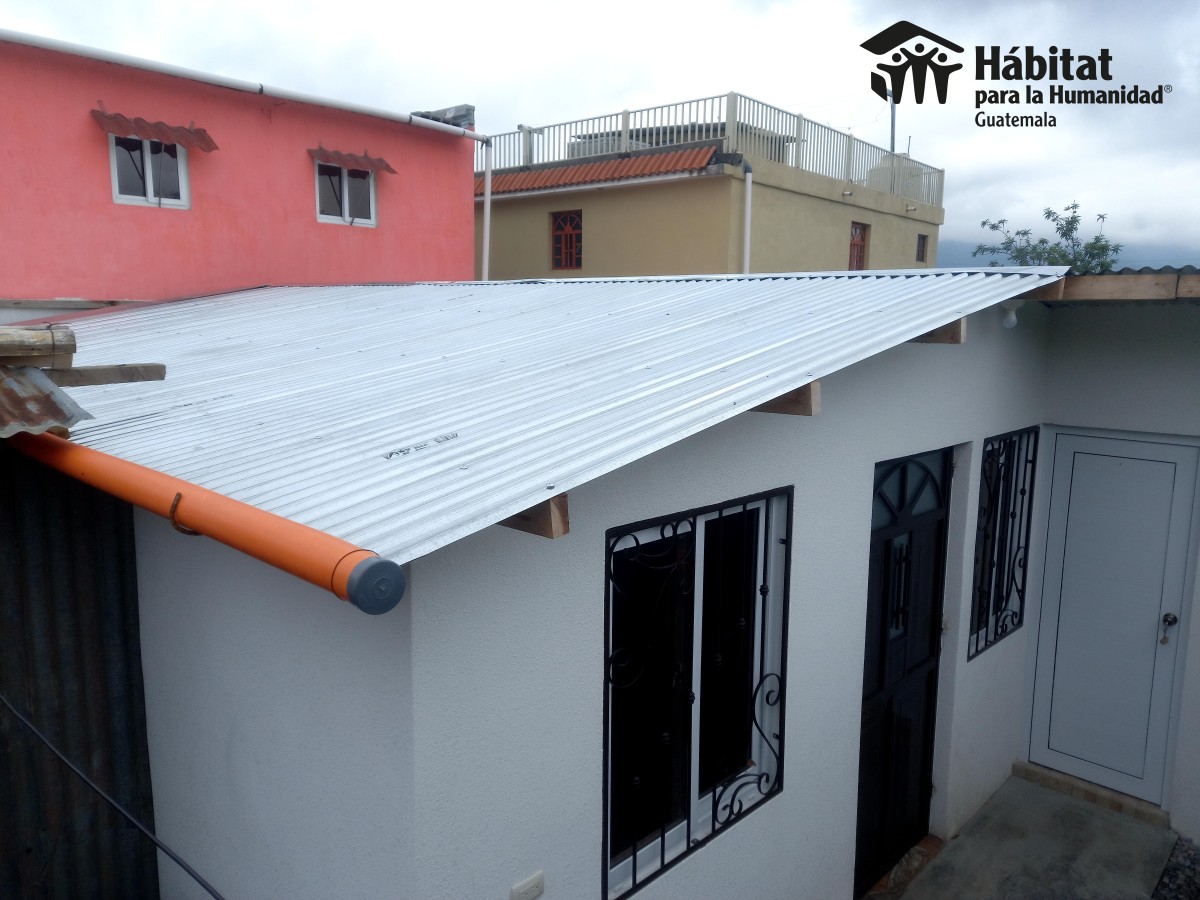
Corte las ramas cerca del techo 

Si tiene árboles grandes cerca de su casa, especialmente si tienen ramas que cuelgan hacia el techo, es buena idea podarlas cada cierto tiempo. Así evita cualquier impacto de estas con el tejado o acumulación de restos. 

Esto debe hacerlo anualmente. 

Es importante recordar que no todo el trabajo lo puede hacer usted mismo. Por su seguridad, debe contar con la ayuda de expertos en mantenimiento y reparación de techos. 

Hábitat para la Humanidad Guatemala brinda capacitaciones sobre el cuidado y mantenimiento del techo que contribuyen al desarrollo integral de las familias a nivel individual y comunitario.  

Escrito por: 

Fredy Rojas, Coordinador de Educación. 
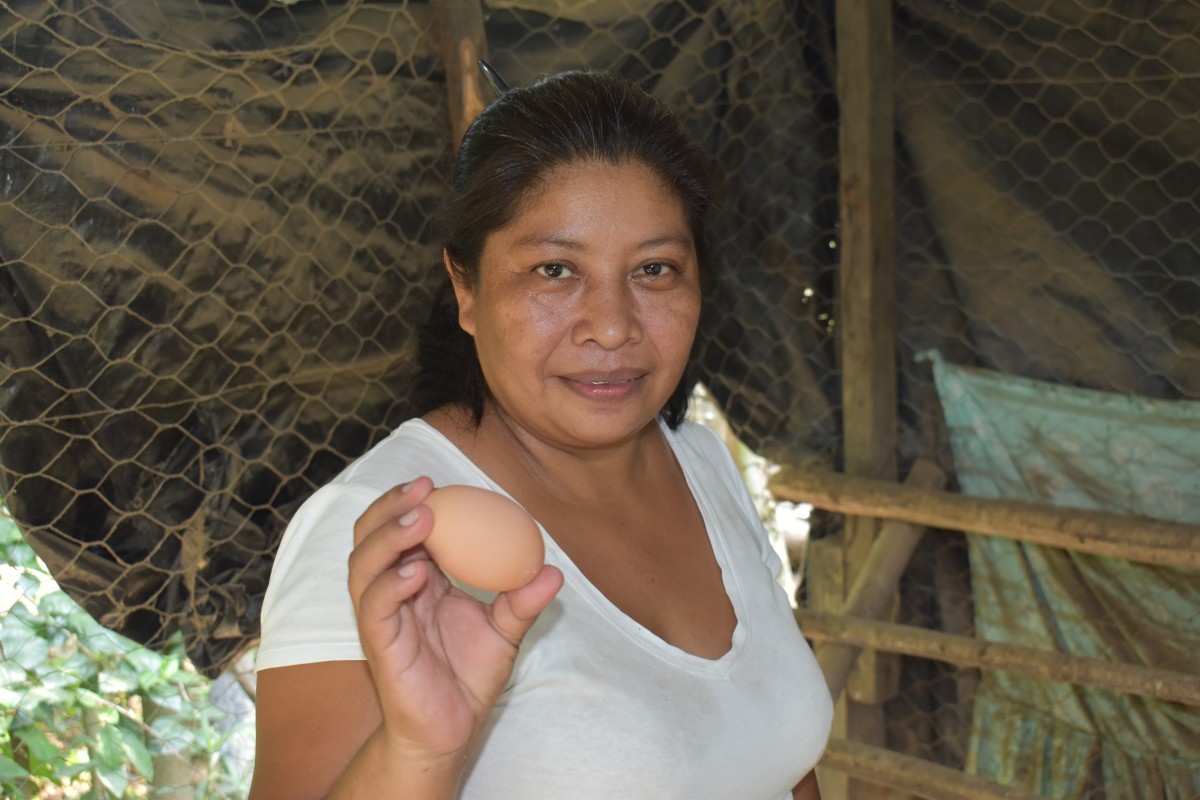
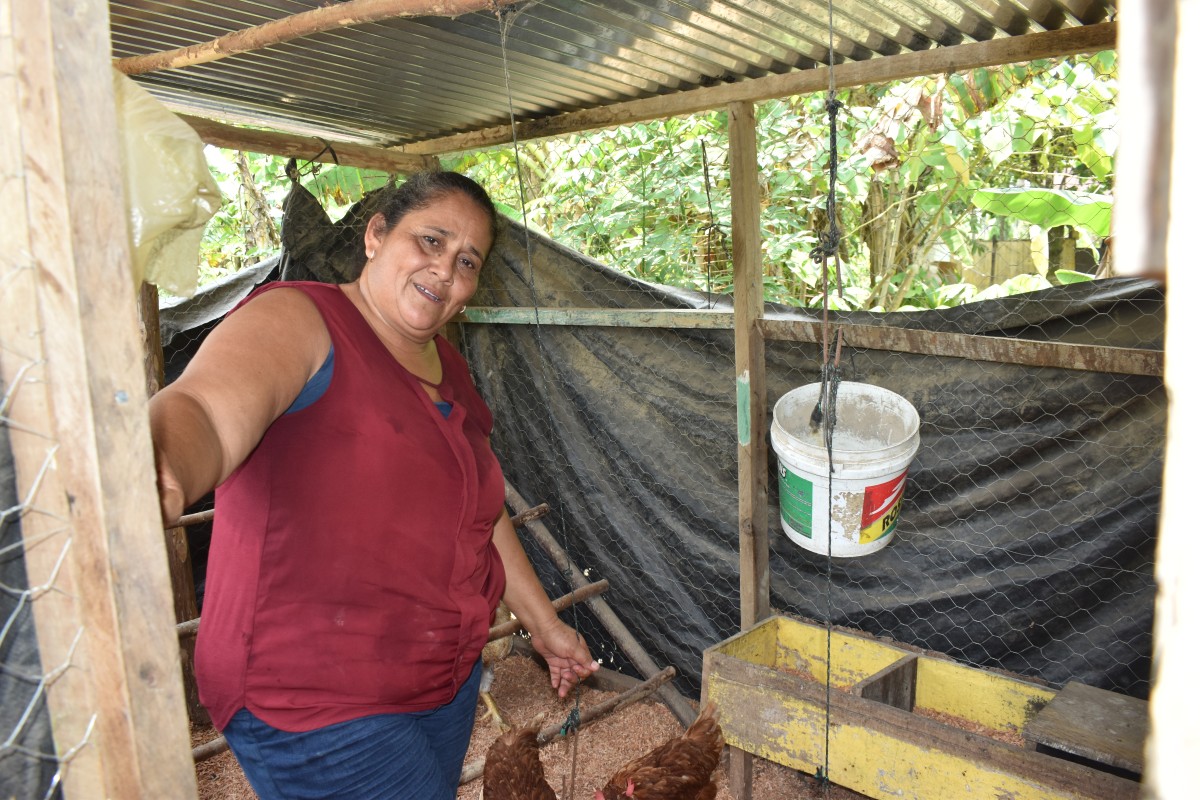
Heydi López Leiva – Chicken Coops, Izabal

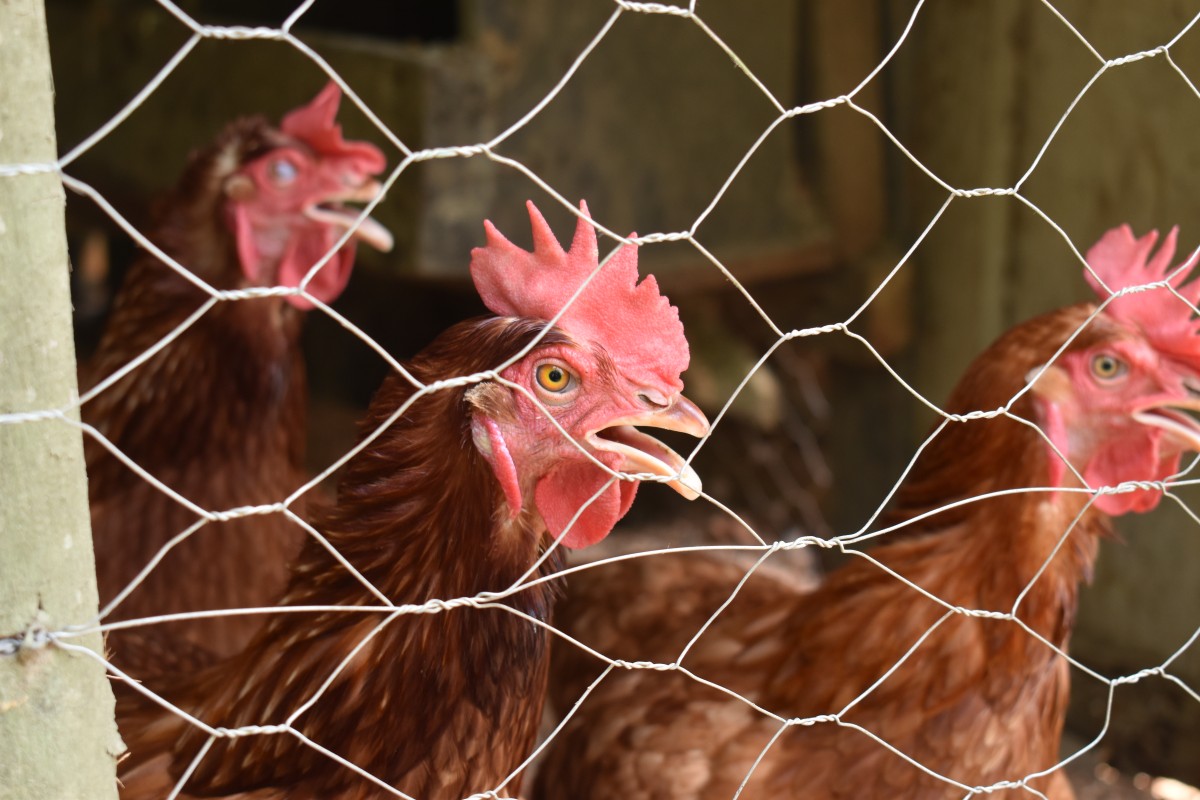
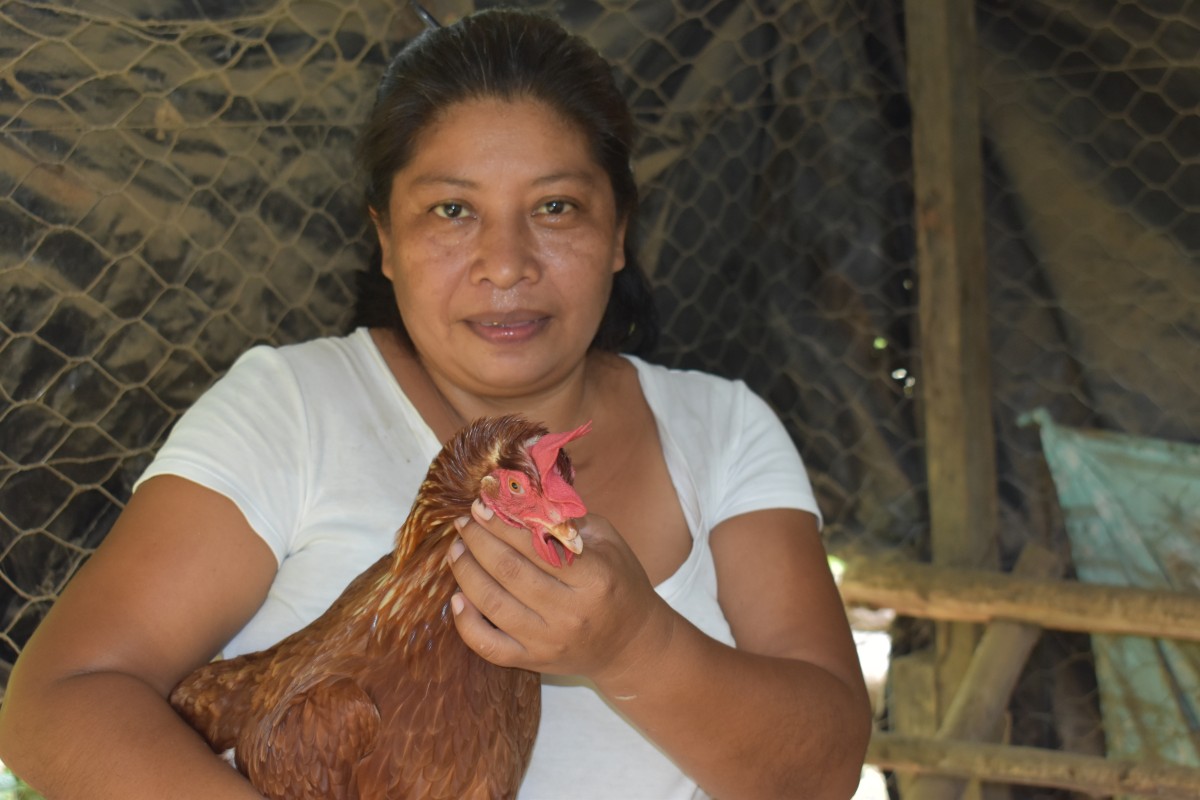
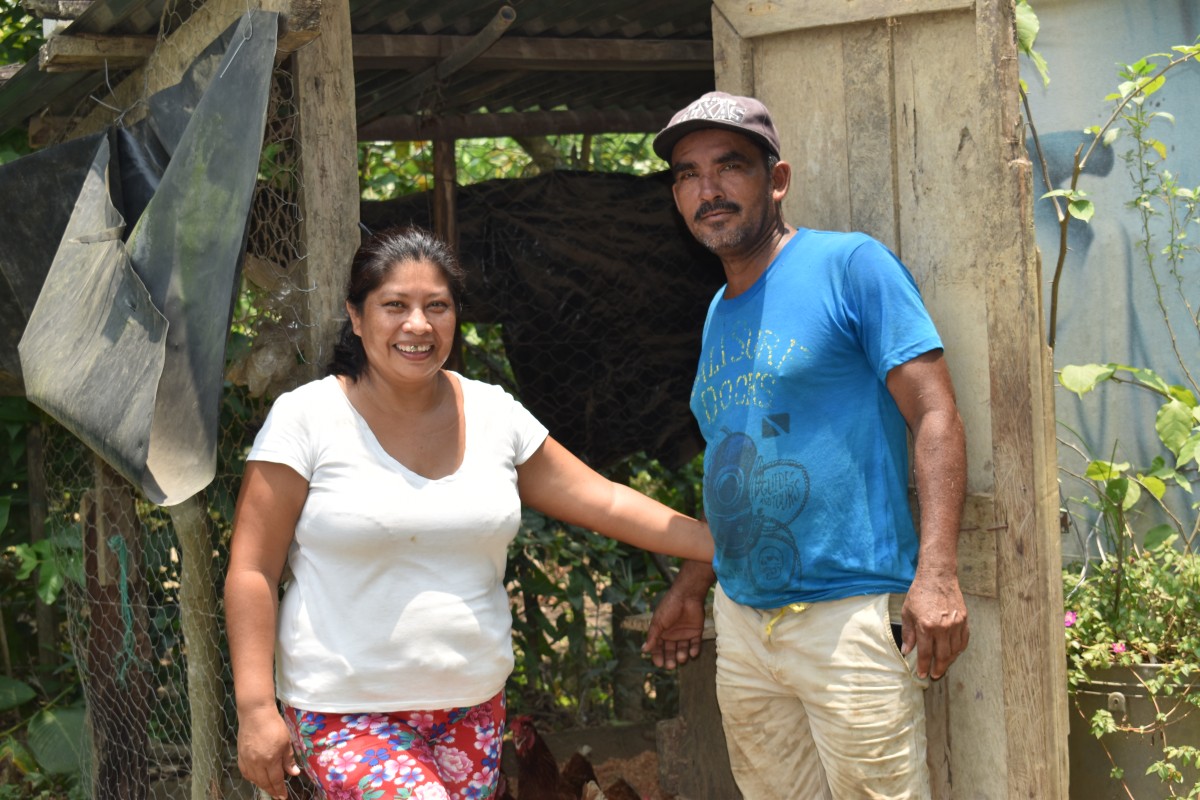
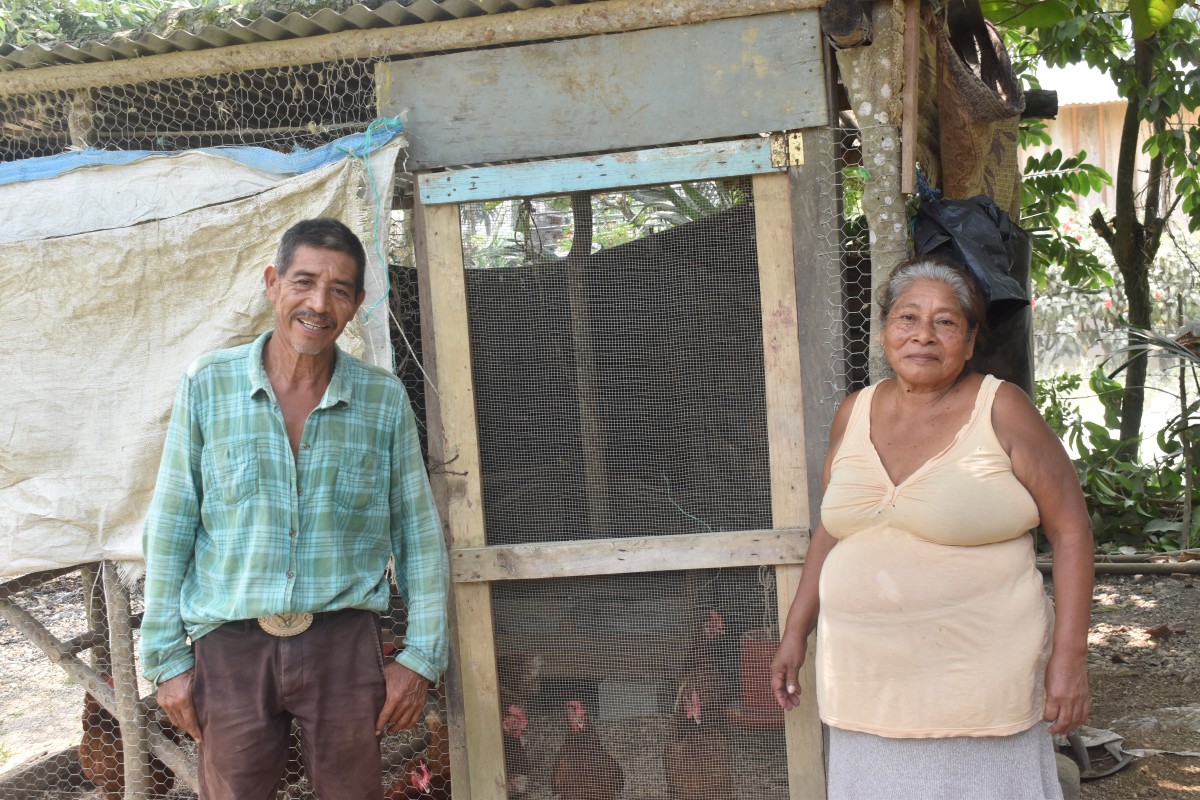
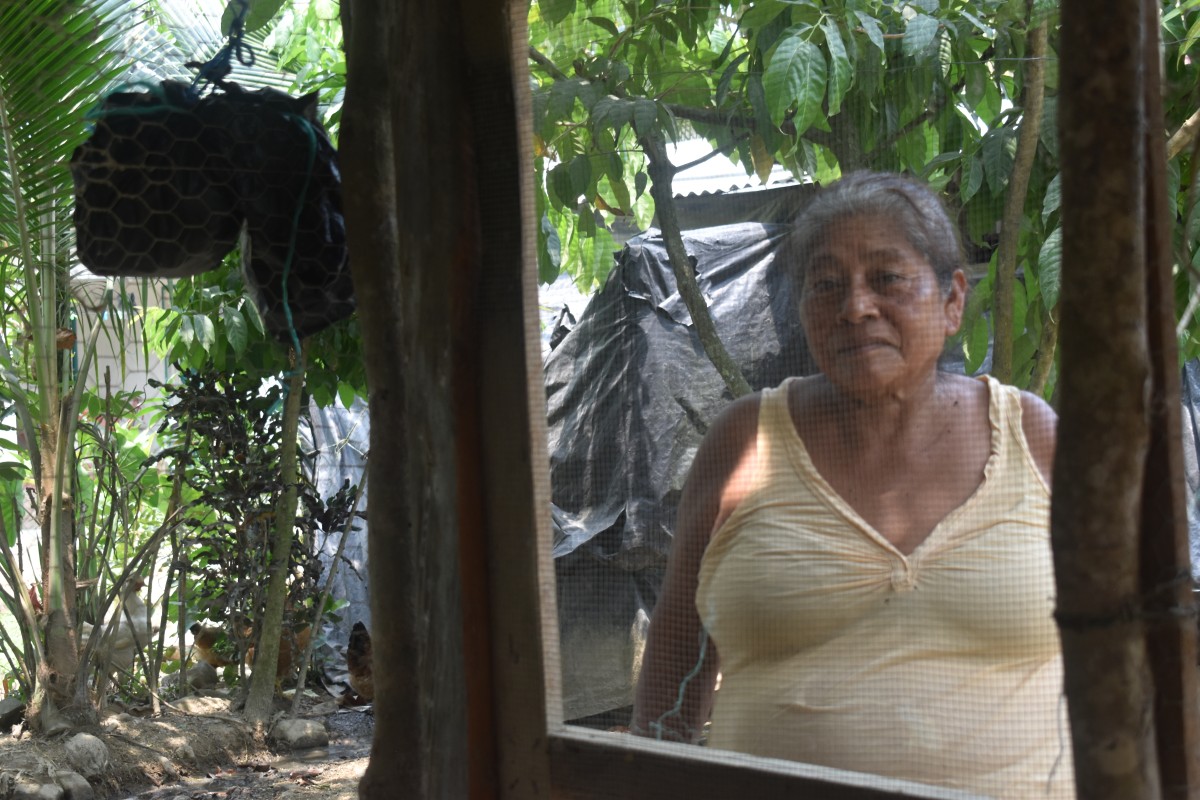
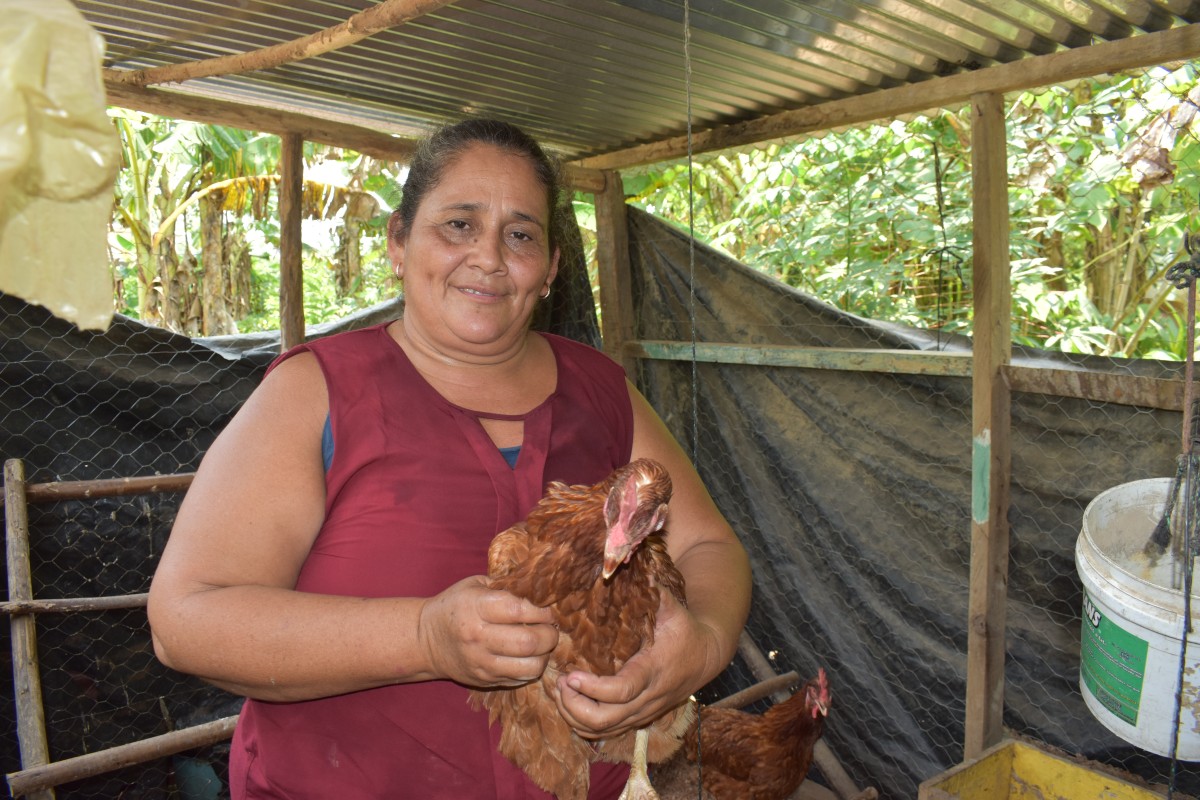
Heydi Lopez and her family reside in the village of Swich Quebrada, Morales, Izabal where they recently embarked on a life-changing journey with the help of Habitat for Humanity Guatemala. The family had long been struggling to make ends meet and provide a stable income for their household. However, their lives took a positive turn when they received the Chicken Coops project. 

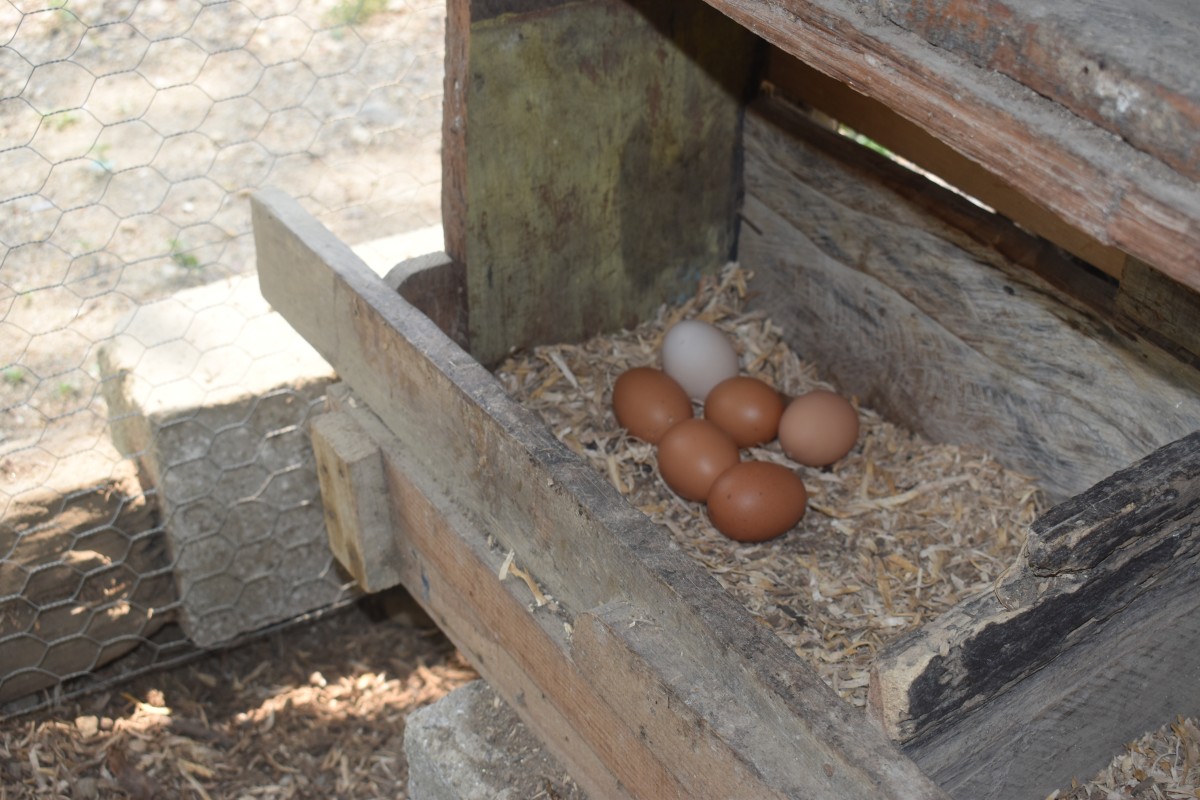
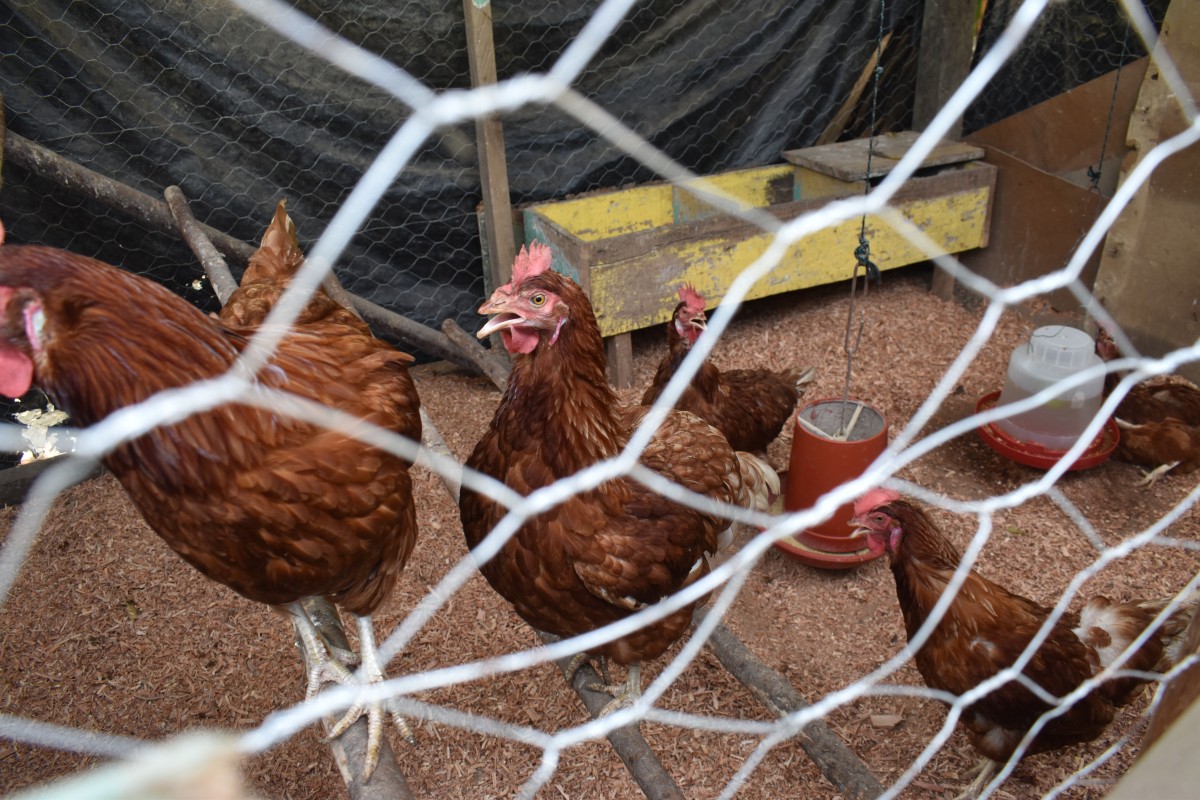
Habitat for Humanity recognized the potential of the community and Heydi’s family to become self-sufficient through poultry farming. They collaborated to design and build suitable chicken coops. The project not only aimed to improve their income but also to provide a sustainable source of food for the family. 

The Lopez family’s lives have transformed significantly. They now have a steady source of income from selling eggs and meat, which has helped them become financially independent. The additional income has enabled them to improve their living conditions. 

Moreover, the chicken coops have provided a sense of empowerment and purpose for Heydi and her husband. They take great pride in their work as poultry farmers and have gained valuable skills and knowledge in the process. The project has instilled in them a strong sense of self-reliance and determination to create a better future for their family. 

Thanks to the SK2 Fund’s support and the commitment of the Lopez family, their lives have undergone a remarkable transformation. From struggling to make ends meet, they are on their way to self-sufficiency, resilience and hopeful for the future. The chicken coops project has not only provided them with sustainable income but has also empowered them to build a stronger, more prosperous life for themselves and their children. 

Meet our bricklayers! – Manuel Felipe

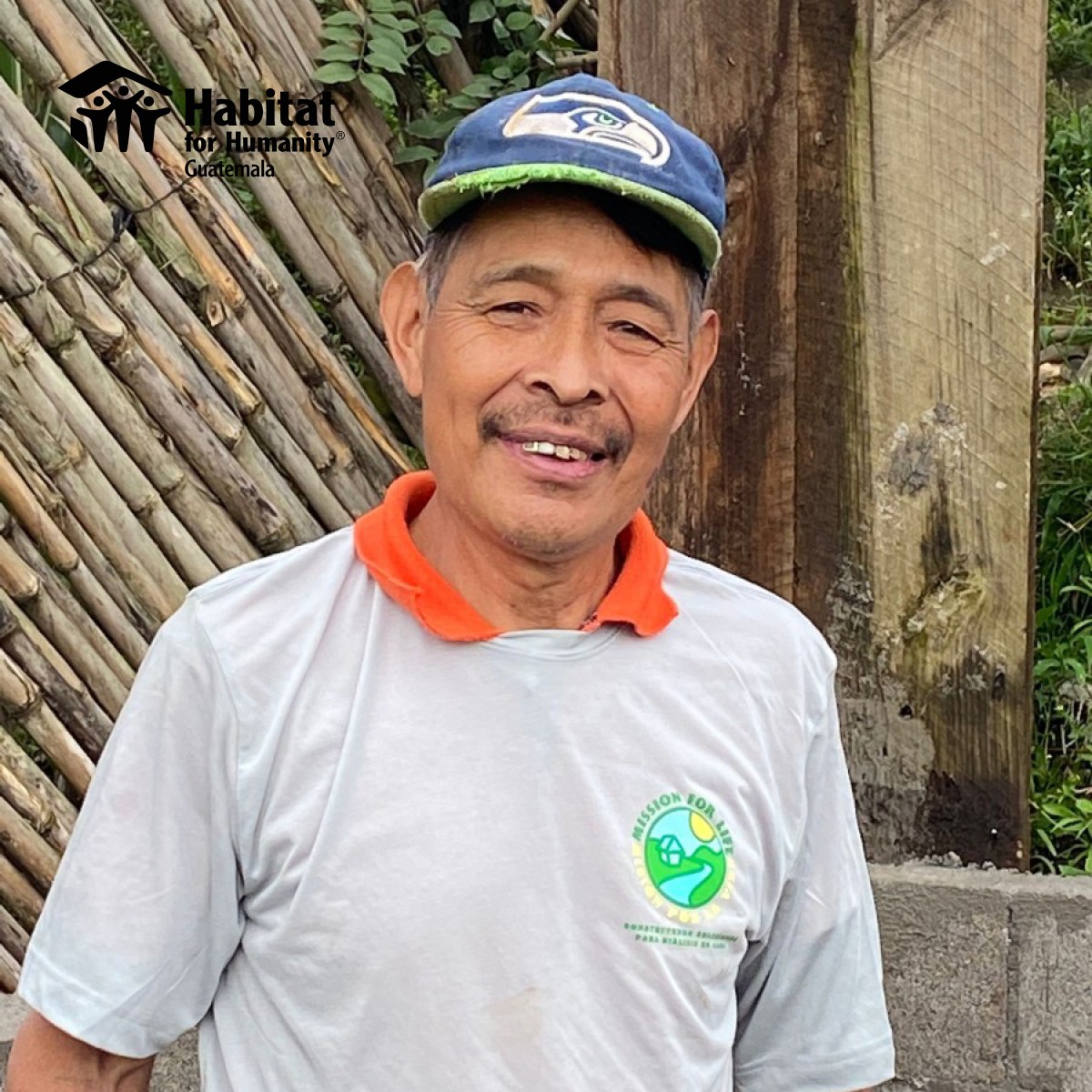
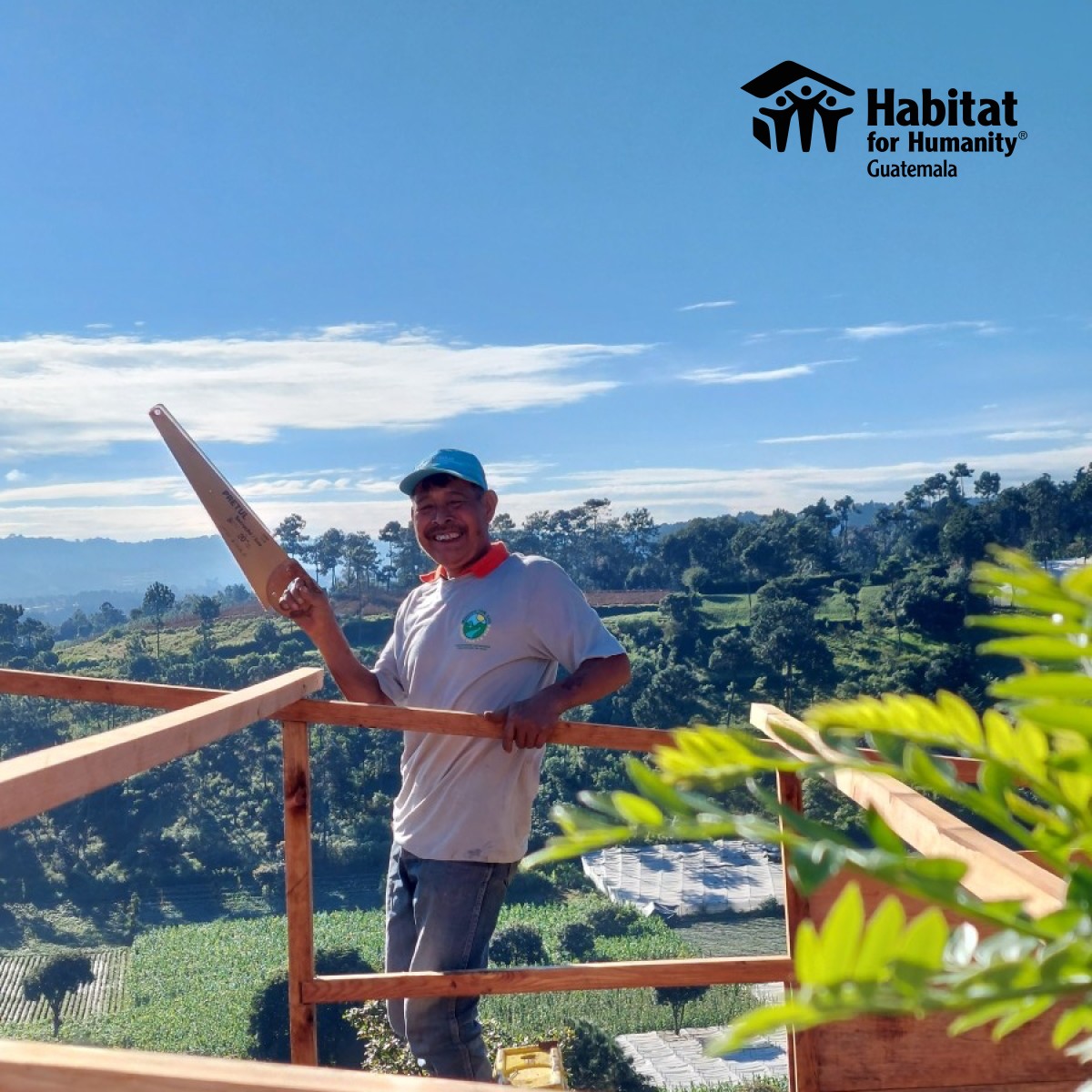
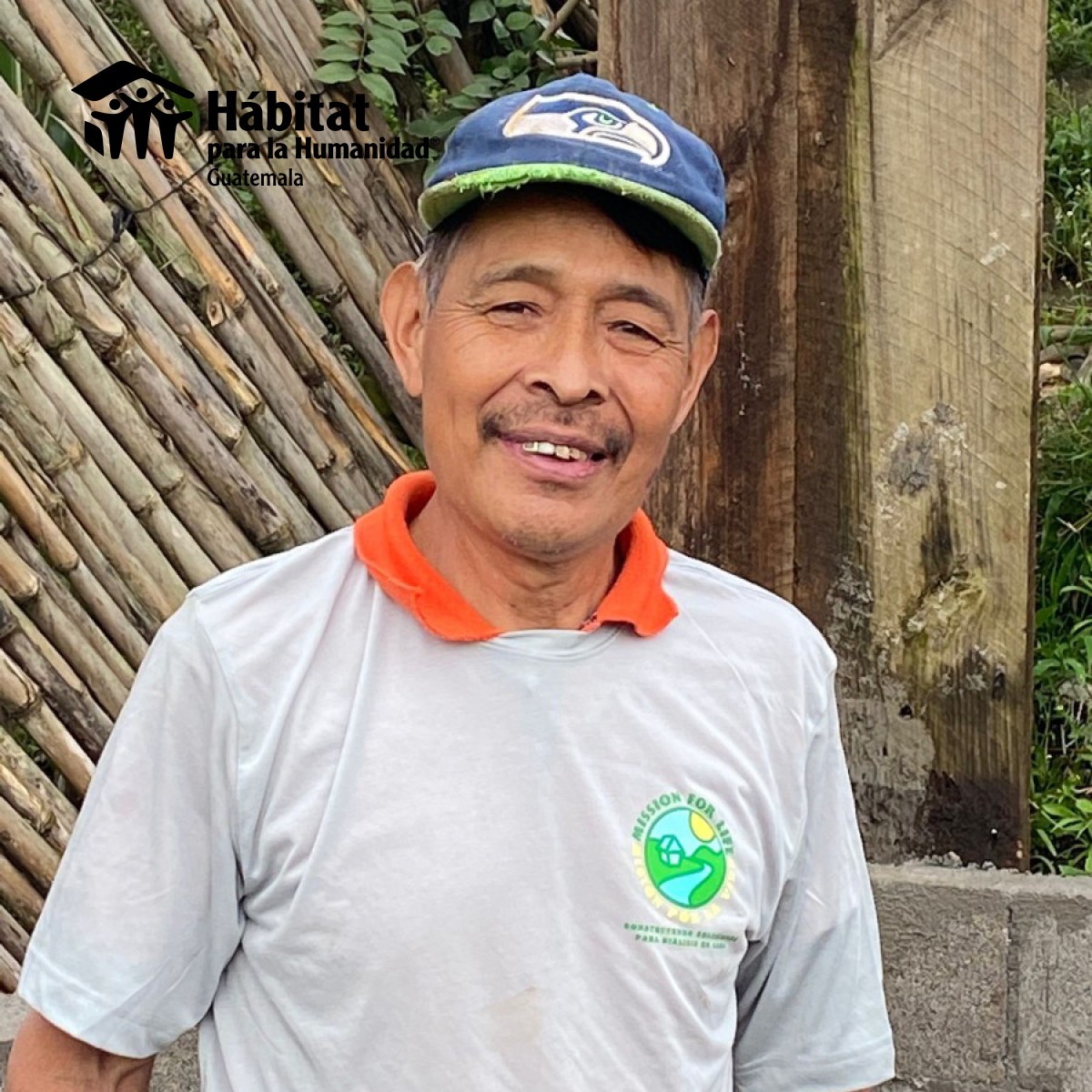
Manuel Felipe (Don Manuel) is 60 years old, and with his wife they raised 8 children. Seven years ago, one of his sons invited him to participate in the construction of wood-saving stoves for Habitat for Humanity Guatemala. Since then, Don Manuel has been working with us not only in the construction of stoves, but also in other Habitat projects such as sanitary latrines and houses in different parts of the country, together with families and volunteer groups.

Don Manuel always had the dream of building his own house and once he achieved it, he realized that he loved building and that this allowed him to help other people who needed support in their search for decent housing and services.

Don Manuel mentions that what he likes most about working with Habitat is «the idea of building dreams for future generations». He also loves being able to work with the national and international volunteer brigades, because of the experiences and learning that they acquire together.

Don Manuel says he is very grateful for the opportunity Habitat gave him to be part of its team of masons – «I love to build, and I am in love with my work».

¡Conoce a nuestros Albañiles! – Manuel Felipe

Manuel Felipe (Don Manuel) tiene 60 años, y con su esposa criaron 8 hijos. Hace 7 años, uno de sus hijos lo invitó ha participar en la construcción de estufas ahorradoras de leña de Hábitat Para la Humanidad Guatemala. Desde entonces, Don Manuel ha estado trabajando con nosotros no solo en la construcción de estufas, sino en otros proyectos hábitat como letrinas sanitarias y casas en distintos puntos del país, en conjunto con familias y grupos de voluntarios.

Don Manuel siempre tuvo el sueño de construir su casa propia y una vez lo logró, se dio cuenta de que le encantaba construir y que esto le permitía ayudar a otras personas que necesitaban apoyo en su búsqueda por tener una vivienda y servicios dignos.

Don Manuel menciona que lo que más le gusta de trabajar con Hábitat es “la idea de construir sueños para generaciones futuras”. A su vez, le encanta poder trabajar con las brigadas de voluntariado nacional internacional, debido a las experiencias y aprendizaje que adquieren conjuntamente.

A su vez, Don Manuel señala estar muy agradecido con la oportunidad que Hábitat le dio de formar parte de su equipo de albañiles – “Me encanta construir y estoy enamorado de mi trabajo”.


María López – Chicken Coops, Izabal

The López family, residing in a close-knit rural community of Izabal, was chosen to be a part of the Chicken Coop project. The family had long struggled to meet their nutritional needs and faced economic challenges. However, with the introduction of the chicken coop, their lives underwent a remarkable transformation, not only improving their own nutrition and economy but also positively impacting the wider community. 

Before the chicken coop project, the López family often faced food insecurity, with limited access to nutritious meals. The chicken coop provided them with a consistent supply of fresh eggs and poultry, enhancing their diet and ensuring they had access to essential nutrients. As their nutrition improved, their overall health and well-being flourished, enabling the family to thrive and be more productive in their daily lives. 

Beyond the family’s own prosperity, the chicken coop project had a ripple effect on the entire community. By sharing their surplus eggs with neighbors and participating in the local market, the family became a catalyst for positive change. Their improved economic situation inspired other families in the community to pursue similar ventures, leading to a collective boost in the local economy. The chicken coop project not only transformed the López family’s future but also fostered a sense of unity and empowerment within the community, creating opportunities for growth and self-sufficiency. 

The story of the López family serves as a testament to the power of community-driven initiatives and the profound impact that support can have on individuals and their surroundings. Through the chicken coop project, not only did María’s family witness a positive shift in their own lives, but they also became beacons of hope for their neighbors. Their journey of improved nutrition and economic stability has become an inspiration, reminding us that by investing in the well-being of one family, we can sow the seeds of progress for an entire community. 

“We are very grateful for this project. May God bless you and multiply what you have given us.” – María López 

Yanida Acevedo Maldonado – Chicken Coops, Izabal

The Maldonado family, residing in the village of Swich Quebrada, Morales, Izabal, was selected for a life-changing Chicken Coop project. The family had been struggling to generate a stable income making it difficult to provide sufficient nutrition for their household. However, with the introduction of the chicken coop, their lives took a positive turn. The project provided them with a sustainable source of nutritious eggs and meat, transforming their nutrition and bolstering their family income. 

Before the chicken coop project, the Maldonado’s meals were often limited to basic staples, lacking in essential nutrients. However, with the coop’s implementation, they now had a consistent supply of fresh eggs. These nutrient-dense eggs became a staple in their diet, improving their overall nutrition and contributing to better health and well-being. The surplus eggs were also sold in the local market, providing an additional source of income for the family. They are now an inspiring example in their community, not only for their improved quality of life but also for their resilience and determination in overcoming challenges. 

By creating sustainable change, we can become agents of transformation, uplifting communities and fostering resilience. We extend our deepest gratitude to the SK2 Fund that made this project a reality for the Maldonado family and countless others like them. Your compassion and support have planted seeds of hope and empowerment within their hearts.

Together, we can continue to nurture a future where every family can thrive and flourish. 

“On behalf of the community, we thank you all for providing us with this project. May God bless.” – Yanida Acevedo.  

Enrique López – Twin Cities – Noah Keller

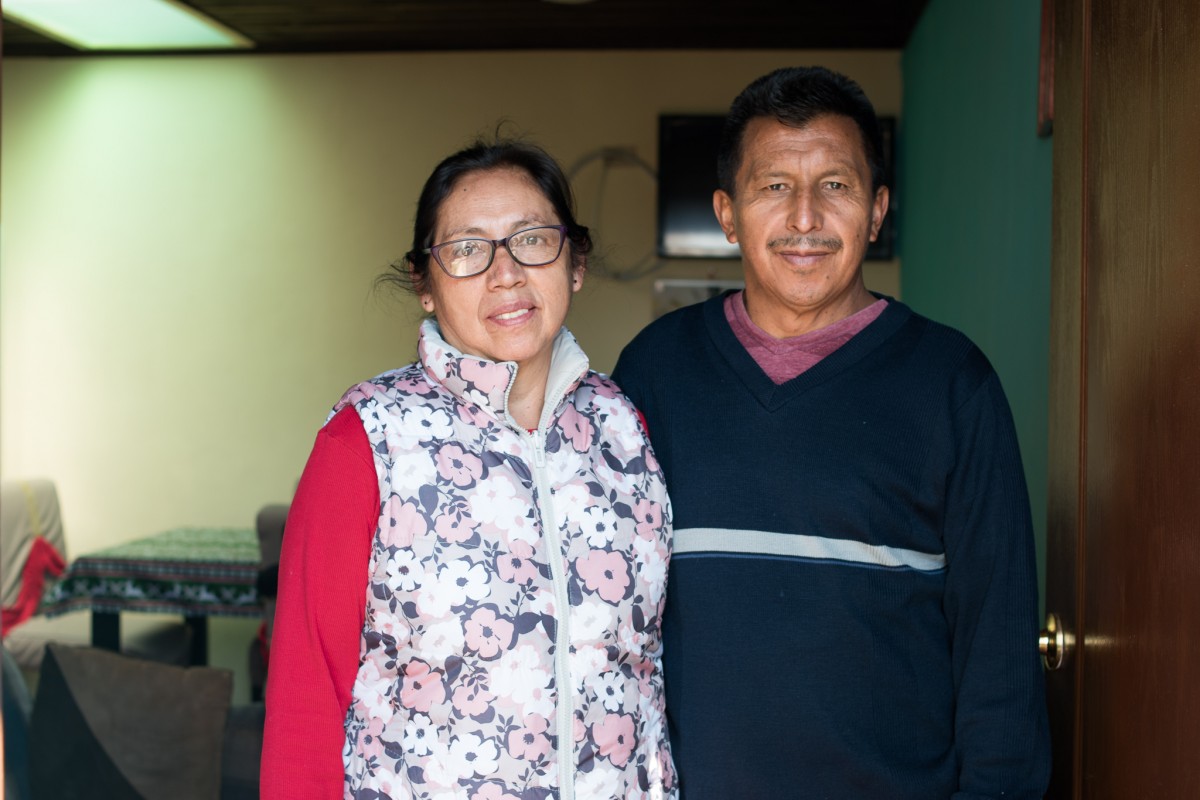
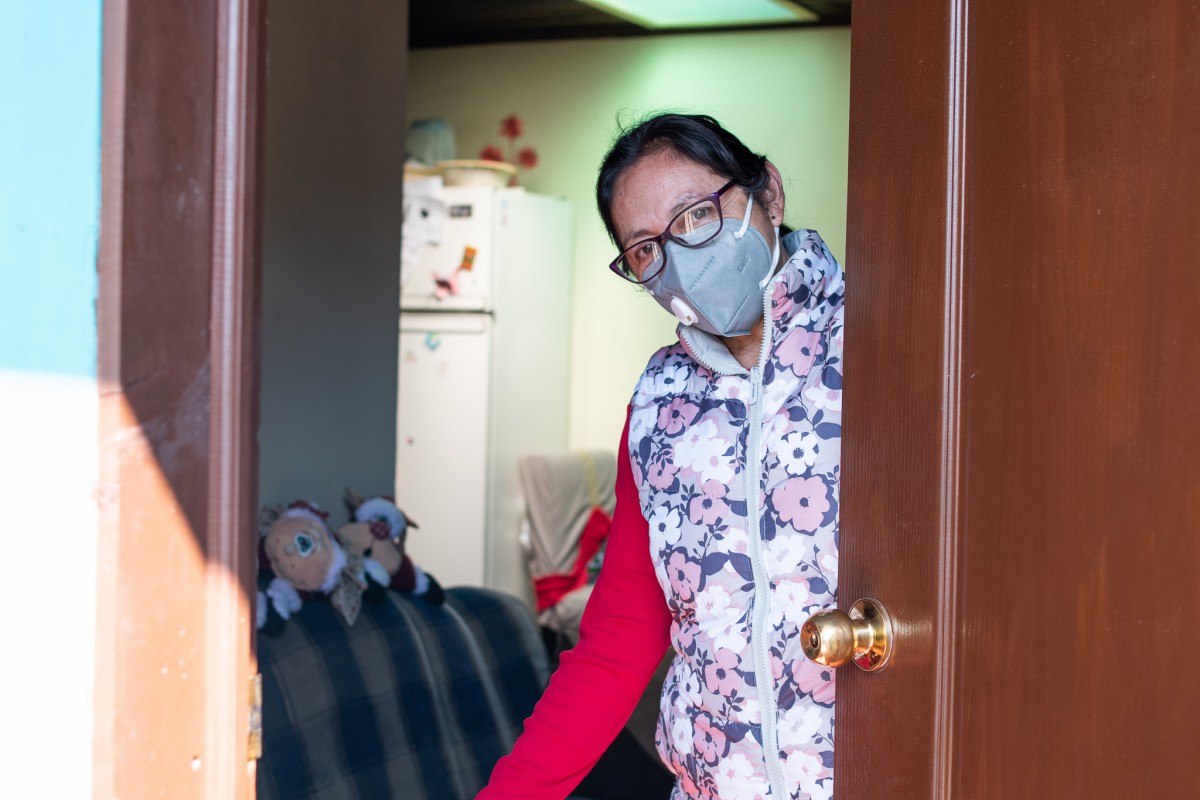
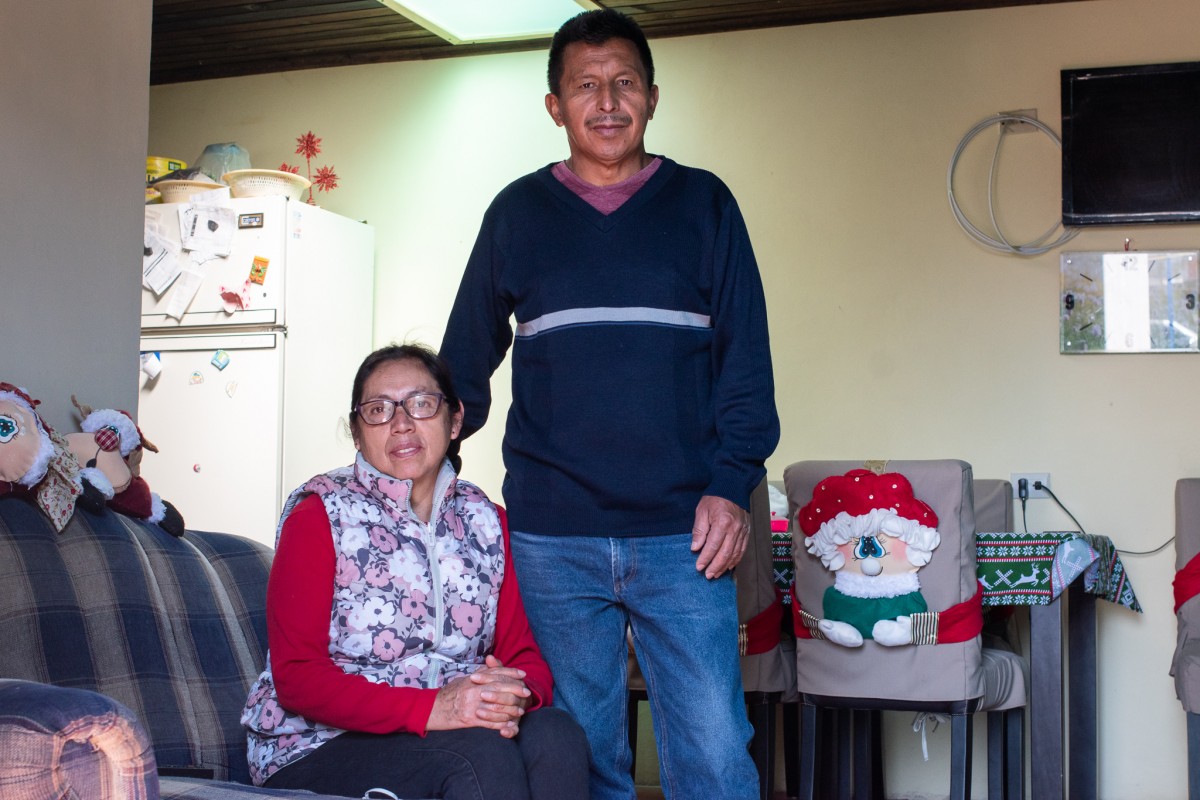
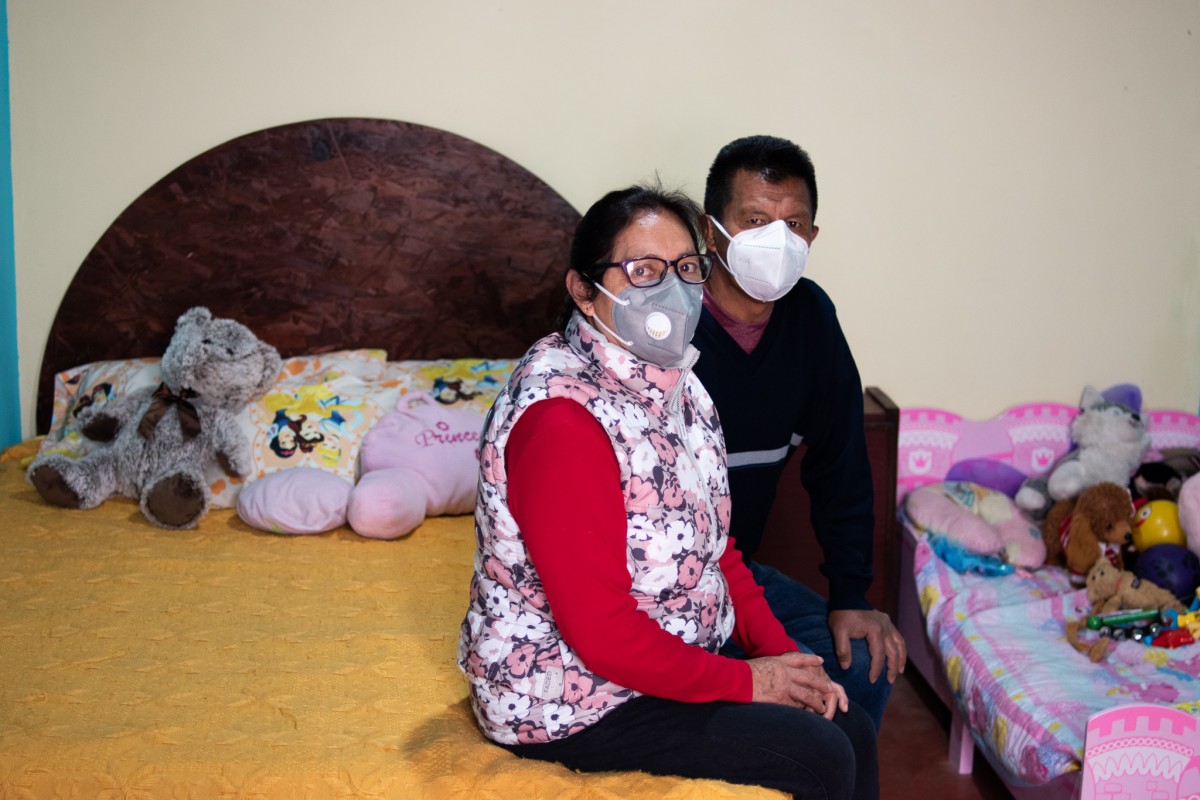
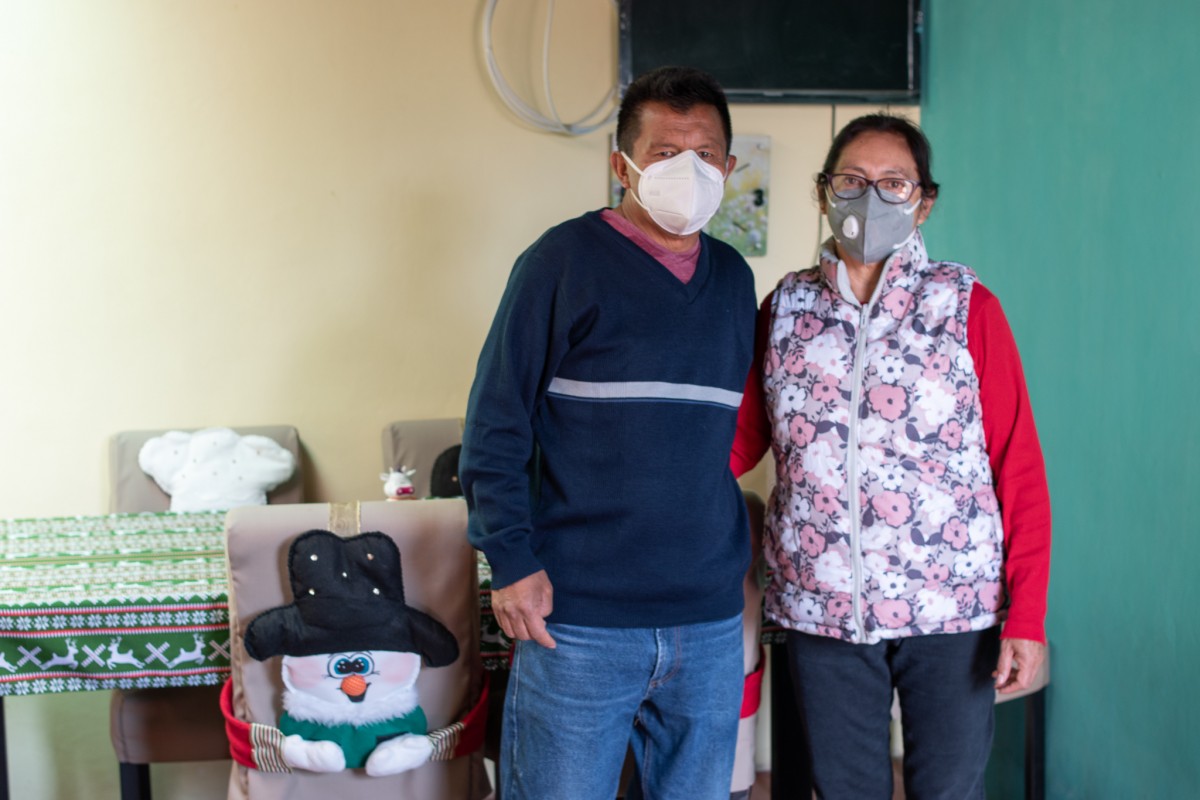
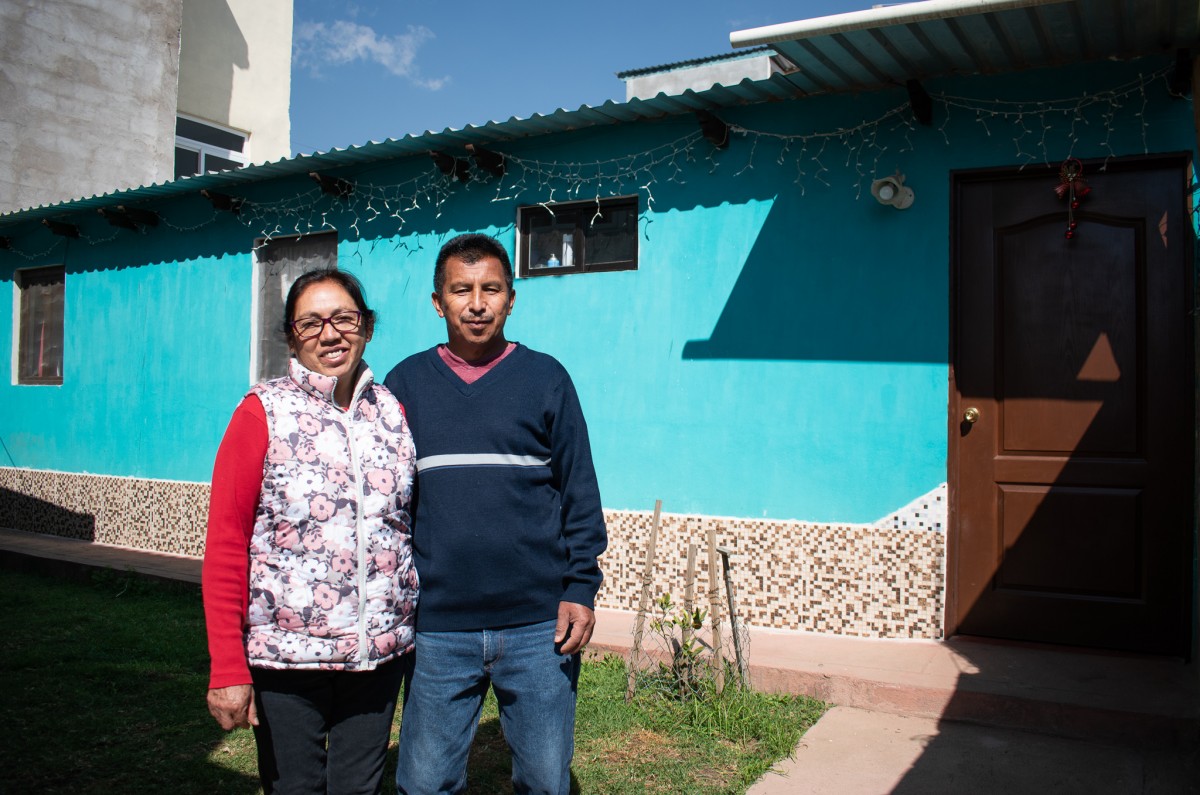
Enrique (63) and Maribel (59) are the happy owners of a Habitat home! They live in Quetzaltenango. Enrique works in a governmental program for inmigrants while Maribel, is in charge of the house chores.

Before partnering with Habitat Guatemala to build their home, this family had to rent for many years «We have rented for years and years, moving from different houses, once again when it was time to move, our son in-law told us that he was going to give us a piece of land to build, so we found out about Habitat and decided it was time.» After doing some research and speaking with all her children, they decided to invest together for a better future.

When asked how they feel with their new home, both of them smile and respond, “ We feel happy! Very very happy, in our Habitat home! It is all we wanted, a safe and comfortable space to sleep, to rest in peace,” she continues, “Thanks to Habitat for their support and for helping us fulfill this dream.” What Enrique and Maribel enjoy most about being at home is, “…to rest, being able to feel at peace inside.”

Regarding the week of construction shared with the volunteers, they share; “They are hard workers! We advanced a lot with the construction process because of their help. We shared a lot of laughs and happy memories too.”

They finish by sharing a message to the volunteers, “Receive all our love and greetings! Thank you for your support. May God bless you.”


María Ruano – Water Tank – Usumatlán, Zacapa

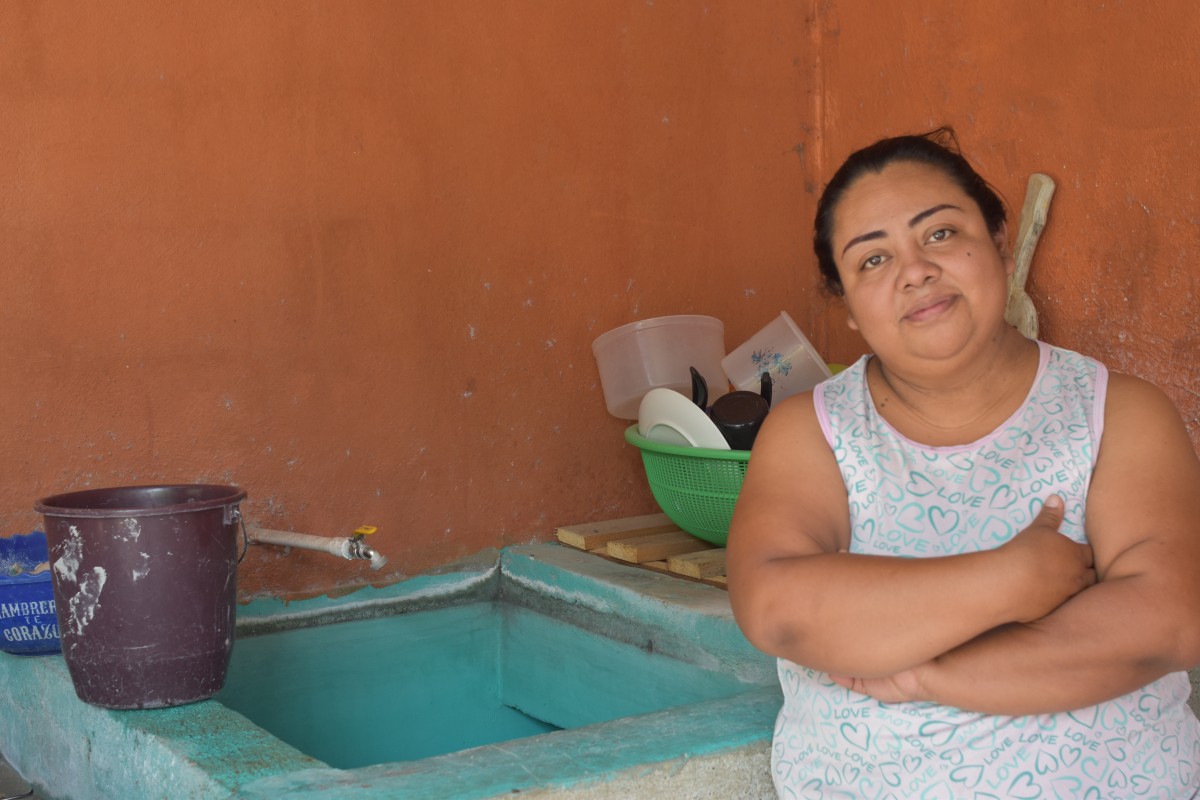
Meet María Ruano, resident of the Skipper Habitat Colony in Usumatlán, Zacapa. For years, María and her family faced the daily struggle of not having regular access to piped water.  

But one day, everything changed. A project supported by donors like the Rotary Club aimed to bring access to household water to all the members of the community. 

The project involved the installation of a centralized water tank. Despite the challenges and physical labor involved, the sense of unity and purpose among the community kept them motivated. 

After 1 year, the day finally arrived when water flowed through the newly laid pipes, reaching every household in the community. It was a moment of joy and celebration for the Ruano’s and their fellow neighbors. The sound of running water echoed through the community, marking the beginning of a new chapter in their lives. 

And so, the Ruano’s family’s story became a tale of resilience, community spirit, and the profound significance of having access to clean water. Their lives were changed, their dreams rekindled, and their hearts filled with gratitude for the life-giving resource that had become an integral part of their daily existence.