
Huertos Familiares y Comunitarios
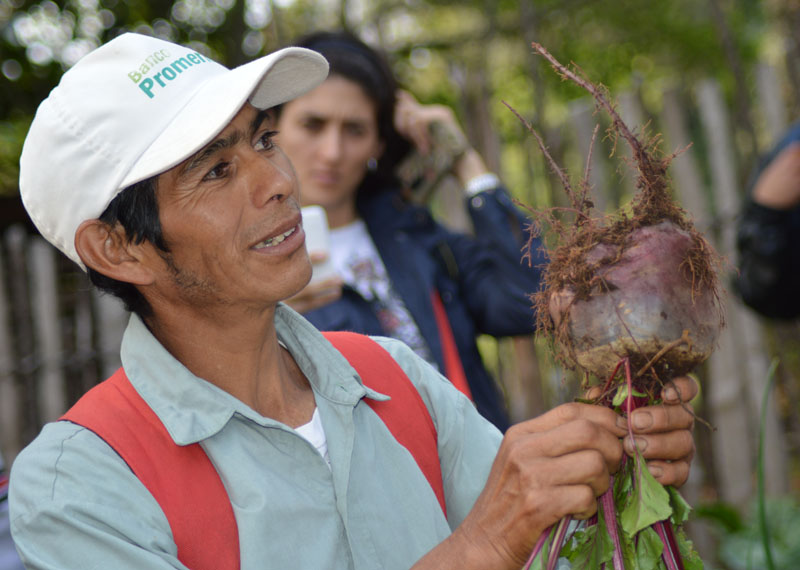 Hace un año Luis Muñoz y Viviana Muñoz, voluntarios de América Solidaria, dieron inicio con muchas expectativas e ilusión, al proyectos de Huertos Familiares y Comunitarios de Autoconsumo en la aldea de Macalajau, Municipio de Uspantán, Quiché. Con la asesoría técnica y el apoyo de las organizaciones CIASPE de México y FOSIS de Chile, se comenzó el diagnóstico psicosocial de las familias de Macalajau, lo que permitió involucrar a las familias y crear lazos con la comunidad.
De las 89 familias que constituyen la comunidad de Macalajau, 62 se involucraron en el proyecto, las cuales aprendieron e implementaron el sistema de recolección de agua, aplicaron nuevas técnicas de cultivo, construyeron cercas, fabricaron zonas de abono, construyeron invernaderos, así como lombriceras y composteras. Todo esto con el apoyo y supervisión de los voluntarios de América Solidaria, el soporte técnico de CIASPE y FOSIS, y personal de Hábitat Guatemala.
Los resultados del proyecto han sido tan exitosos, que este año ya se está replicando el proyecto con el apoyo de más voluntarios de América Solidaria, en la aldea de Canaque, San Marcos.
El pasado 7 de abril se llevó a cabo la clausura de la primera fase del proyecto, esta inició con la celebración del Primer Foro Público Internacional «Tierra y Sustentabilidad», el cual se llevó a cabo en el Gimnasio Municipal de San Miguel Uspantán, y contó con las disertaciones de María Consuelo Romano y Luis Muñoz Cabrera de América Solidaria, Martha Elizabeth Dubon de Fe y Alegría, Gabriela Lucas de CIASPE y Luis Estrada de IDESAC.
La ceremonia de cierre se realizó en la aldea de Macalajau y contó con la presencia de autoridades de América Solidaria, FOSIS, CIASPE, Fundación Fe y Alegría de Honduras, Hábitat para la Humanidad Guatemala, Representantes de Municipales de San Miguel Uspantán, representantes de la Embajada de Chile en Guatemala y las familias que han trabajado en los huertos.
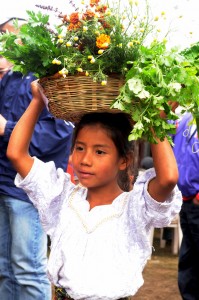
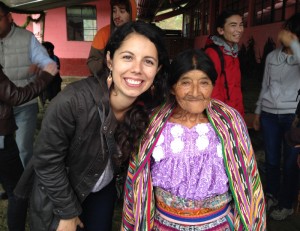 Con las emotivas palabras de Fernando Felipe López Camajá, representante de Hábitat Guatemala y guía de los voluntarios en la aldea Macalajau, se inició la ceremonia, agradeciendo el trabajo de los voluntarios Luis Muñoz y Viviana Muñoz, así como a las instituciones involucradas y a las familias beneficiadas. También se presentaron solicitudes por parte de los representantes de la comunidad de Macalajau, para solicitar apoyo a las instituciones presentes. Para terminar, las familias se hicieron presentes con canastas llenas de verduras, como muestra de agradecimiento a los representantes de las distintas comunidades.
El proyecto no ha concluido, actualmente las nuevas voluntarias se encuentran en una nueva fase, la cual incluye el seguimiento para apoyar a la familias a que aprovechen todos los nutrientes que pueden encontrar en las verduras que se cultivan en sus huertos. También la comunidad de Arena Blanca, en Honduras, inician la primera fase del proyecto de huertos, aprovechando todos los conocimientos obtenidos en Macalajau.
Gracias a América Solidaria, CIASPE y FOSIS, por apoyarnos a construir más que casas.