Smokeless Stoves: Abelina Roquel Tuy and Marcela Guit Roquel

Abelina Roquel Tuy

“I like everything about the new stove,” exclaims Abelina Roquel Tuy. “I haven’t had any more health problems.”

Abelina can be found in the yard of her home, waving and directing her children with one hand and weaving elaborate textiles with the other. She speaks rapidly in Kaqchikel, a Mayan dialect, and her face glows with eagerness. “I thank God for the projects Habitat for Humanity Guatemala has brought to us, for all of the work that they have come to do. That has made all of the difference in how I cook.”

Asking how her new smokeless stove was built, Abelina Roquel Tuy’s face breaks out into a grin. “My children helped cut fifty blocks in one day,” she boasts proudly. “I still remember the group that came to help, they brought many blessings with them. They worked so hard when they came to help us. Each time I light this stove, I think of them.”

Abelina, her husband, José, and their five children reside in a community neighboring la Cuchilla, a turnoff that heads into the department of Sololá. Decades of living in the area has allowed them to develop strong relationships with their neighbors. Those neighbors were the ones who suggested a smokeless stove to Abelina, who for decades, had been cooking with a defunct stove. “Our old stove was made from two blocks and a few bars of iron, nothing more,” Abelina describe. “We used this way for thirty years.”

However, her neighbors had a solution, “Thanks to another woman living in the community, who had worked extensively with promoters for Habitat for Humanity Guatemala, she told me about their projects and asked if I wanted to participate, particularly with the smokeless stove,” she recalls. “That was five months ago.”

The stove also caused several problems. “The smoke was difficult for us. We had headaches, and the smoke made us cough,” she describes. “Now, we’re not affected by anything.” Abelina says that she was concerned, above all, for the wellbeing of her children. “They used to suffer so much, and I had to buy them expensive medicine. My food would come out smoky, and my children refused to eat it, because the smell was so strong.” However, that has since changed. “Now, they eat everything,” she laughs.

Fuel has become more efficient for Abelina and her family. Living in a remote area can be difficult at times. “We usually buy wood, although on occasion, we’ll burn corn stalks from the fields. Before, half of a bundle of wood lasted a week, and it cost us 100Q ($13.00),” says Abelina.

However, the smokeless stove consumes less, and it has allowed Abelina to save a significant “Now, it’s half of that. We spend 50Q a week, although now, we can also just buy pieces for 1Q each, and that lasts us a week. We can buy extra food with what we save.”


Marcela Guit Roquel

“We got along well and had a lot in common. We wanted to communicate, but we didn’t speak the same language. But it was good, because we were able to share moments where we connected together here on the patio. I loved their spirit.”

On a damp and overcast day, Marcela Guit Roquel tells anecdotes while warming herself by her new Habitat for Humanity Guatemala smokeless stove. A small puppy curls up under her seat, its eyes reflecting the orange light of the coals. The people that she describes are the group of international volunteers, who helped her build the new stove.   “It took a day to construct,” she says. “The group, they are great people. I still have photos of them on my phone that I took of them.”

Marcela expresses how sitting by her stove is a new luxury, one that she had never known before. “I was cooking the ground,” she recollects in Kaqchikel, a local Mayan dialect distinctive of Sololá in Guatemala. “I didn’t have a grill, and a lot of smoke leaked out of it. It affected me most with my eyes and burned me because of the heat. I bought medicines in the community, but because of the distance, I couldn’t go a lot.”

The new stove has made all the difference by transforming Marcela’s life, providing her with numerous benefits. “I like that I can cook everything at the same time and that it heats up faster,” she says.  “I also don’t have to look for wood as much. With the extra time, I have greater flexibility in going to market and buying food.”

In conclusion, Marcela expresses that she has nothing but gratitude in her heart. “Thank you. I am very grateful to Habitat, to the volunteers. Thanks to them, I have left all of my problems and the smoke behind. I have no more words to say aside from thank you.”

The Cuy Family

On a rainy Wednesday afternoon, Amelia Cuy is filled with joy. Sitting with her hands quietly folded in her lap, her eyes shine as she speaks with confidence about her newest acquisition: a Habitat for Humanity Guatemala home. “With the house, we are all grateful, with God, with the help that the organization gave us, because without them, we wouldn’t have had the opportunity to build it,” she says. “And we wouldn’t have had the opportunity to meet new people. I carry them in my mind and in my heart.”

In her new kitchen, a Canadian flag drapes over the windowsill, a lingering memory of the international volunteers that spent one week building her home. Amelia knows that they are a special group of people that she will not soon forget. “We got along well with the group. They were happy, and what I liked is that I met new people each day,” she recollects. “They supported us greatly, and I am grateful to them for helping me build my own house.”

Two days ago, Amelia, her husband Gerardo, and their two-year-old son, Israel, began the move. Before, they were living with Amelia’s parents, Froilan and Roselia, as well as her six siblings, a few hundred meters up the road. However, their situation was less than ideal. “There was a room for all of us, and definitely not enough space,” describes Amelia. “We were looking to have a new house of our own, and for that reason, we moved.”

Little by little, Amelia’s family has been helping her relocate. Echoes of voices and scrapes of furniture on the floor permeate through her home. The first stages of a water filter sit on the front wall, on their way to being assembled and placed permanently in the kitchen. “We are just starting out and moving in,” Amelia says, meandering through clusters of furniture in boxes. “We want to put down a garden, paint the walls, and in the future, decorate a room for the baby. Still finding places to put one thing versus another thing.”

However, she embraces the changes that her new home has already brought her. “I’m very happy here. We have more space and our own daily routine. Above all, here I feel happy to have my house and something to call my own.”

From the very beginning, Amelia’s parents have supported her throughout the journey. “My parents had told me that there was an organization that supported families with affordable housing,” she says gratefully. “I didn’t have a job at the time, so my parents stepped in with their support, and we pay everything together.”

As for the team that supported her, Amelia is grateful. “I’m well and happy in the new house,” she says. “Thank you for the support. We love you a lot, and we are waiting for you to return. Our door is always open.”

Smokeless Stoves: Eufemenia Gomez and María Tomás

Eufemenia Gomez

Eufemenia took her first breath of clean air when she was eighty-six years old. The momentous occasion took place a few weeks after the construction of her Habitat Guatemala smokeless stove, after the the bricks had dried and the foundation was sturdy. She placed a handful of sticks inside the mouth of the stove, just like she had learned from her educational training session, and lit the first flame.

“It was then, and now that I realize that I can make my tortillas peacefully,” she says quietly. “I have always lived on my little piece of land, and this little stove has taken away all of the smoke so that I can cook better.”

Eufemenia knows that because she is older, walking has become harder for her, and some tasks take a bit longer. However, she is satisfied that preparing meals has become an unexpectedly easy and pleasant task, unburdened by spending precious economic resources on firewood. “I spend two Quetzales (30 cents) on a handful of wood, now,” she remarks.

It was Eufemenia’s late husband who introduced to her to the idea of building a smokeless stove. He had heard that Habitat for Humanity Guatemala was passing through their village of Jordan and suggested that their family get involved.

For years, Eufemenia had never had a stove to call her own, rather, depending on her daughter-in-law to share hers. Once her daughter-in-law left to begin her own family and took the stove with her, Eufemenia was left alone. For years, she hunched over a flame bordered by two blocks and a thin piece of metal to hold her pots. “My eyes were terrible,” she recalls. “I had everything. Cough, cold. I would go to the doctor, but I can’t walk very well. And the medicines were too expensive.”

Determined to make a change, she signed up for the smokeless stove program and soon got her family involved. For eight days, two of her adult sons helped her cut blocks by hand. Then, a group of international volunteers arrived to assemble it.

“Those who were here offered their help,” she says. “They were kind to me, and they shared a bit of food that they had. I am proud to have this stove, and this pride I cannot only carry on my own. They should share it, too.”


María Tomás

Maria spent six months in the hospital, connected to machines and medications. Her family struggled to pay for her treatment. Now back at home, Maria no longer has to worry about her health circumstances. Her old cooking pit had been filled up. A new smokeless stove, guaranteeing greater health and safety, currently stands in its place.

“For fifteen years, I was cooking in the ground, with a few blocks,” she says. “It was very difficult for me.”

María Tomás and her six children live in a house perched on the sloping hills of el Jordan, a small community of about sixty families located outside of Chimaltenango. There is no running water or official road. Access to basic public services is nearly out of the question, including medical facilities. As Maria spent long years cooking over an open flame, the method inflicted great harm on her body. “Because of the smoke, I went to the emergency room, and they did x-rays of my lungs, my bones, and they said that they’ve been damaged,” she reveals.

“I still go to the doctor, but without money, I can’t,” she reveals. “The pills make me feel better, but when they’re gone, they’re gone, and I feel terrible. However, I’m happy that all the smoke goes outside and that I can cook more corn for my children.”

María’s family works selling goods to distributers in the area, including corn, beans, sugar, rice, and milk. In their community of Jordan, food is difficult to come by, and the business in general has not been as profitable. However, María no longer needs to worry so much about the costs of wood, which fluctuate in price.

Before, she spent $7 a week on wood. Now, she spends half of that. “If it wasn’t for Habitat for Humanity Guatemala, this would have never happened.” She sweeps her hand towards her stove. “With the extra money, I can give more food to my children, I can keep them in school.”

She remembers the group of volunteers who built her stove with great fondness. “The group was friendly, and good people. We shared snacks together. I feel for them, because I couldn’t give them anything, no money or anything. But they were so kind to me.” More than anything, she expresses that she feels blessed to have a stove that no longer hurts her. “I am grateful to them, for all of the work that they did. The stove is working well, thank God.”

Smokeless Stoves: Sandra Velasco Camon and Germana Ambrosio

Sandra Velasco Camon

To reach Sandra Velasco Camon’s house can be precarious and requires great patience. First is the two-hour drive in the backcountry of Chimaltenango. After follows a twenty-minute walk down a steep pass that is overshadowed by rearing mountains that nearly block out the sky. The landscape is dry, dust caking the gravel path and filling the air. Those unaccustomed to the trek may easily slip and fall.

By living in remote conditions, Sandra recognizes that resources can be difficult to come by. For years, she especially struggled with meal preparation. Between buying food, finding wood, and cooking, much of her day was occupied by strained attempts to feed her family. “I was cooking with a sheet of metal and a few blocks, plus, wasting too much firewood,” Sandra says. “It was difficult.”

Despite her efforts, she recalls how debilitating her previous stove left her. The smoke would burn her eyes, and the falling wood pieces seared her skin. “I couldn’t work or do anything,” she says. “I would have these pounding headaches, and I couldn’t go to the doctor.”

However, for the past five months, the circumstances have reversed. Since building a new smokeless stove with Habitat for Humanity Guatemala volunteers, Sandra’s health has improved dramatically. The headaches no longer plague her, and she can work without preoccupations. “The stove heats up quickly, and I feel so much better having it,” she remarks. “I like that it doesn’t use a lot of wood. With just a little bit, I can cook everything. I can make tortillas very easily.”

She now uses a handful of wood, which will last her two days. In the time that she saves by not looking for firewood, Sandra can be a grandmother. In that time, she plays with her rambunctious three-year-old grandchild, Alex. “The stove is working like it should,” she smiles. “It gives me more time.”

Sandra recalls the group of volunteers that helped build her stove positively and is happy with the help that they provided her. “They were friendly, and they worked together to support me,” she says. “I am grateful to them. I give them my blessings and my gratitude.”


Germana Ambrosio

“In March, they came to build it,” remembers Germana Ambrosio. Standing in the middle of her kitchen, Germana is surrounded by strings of paper party decorations that flutter in the gentle breeze. “These decorations were brought by the group of volunteers when we had our good-bye celebration,” she comments, reaching up to touch one of the colorful triangles. “They remind me of them.”

Germana speaks of the day that a group of Habitat for Humanity Guatemala volunteers arrived at her home to build her smokeless stove. She recalls the experience fondly, and it remains fresh in her memory even five months later. “It took about half a day to build the new stove,” she says. “And the group was so friendly, hardworking. We got along well, and we were so content.”

For years, Germana longed to find a better cooking option that would help feed her family of seven. Previously, she had used a comal, or a heavy rounded metal sheet that can be balanced over a small fire. While comales are suitable for making tortillas, they can be unsteady, and in many cases, extremely dangerous.  “There was always so much smoke,” she comments. “It affected me in every way you can think of. My eyes hurt, I had headaches and a cough, and I burned myself a lot.” Germana went to the doctor several times. However, her treatment was inconsistent. “Sometimes, they gave me medicines for free. Sometimes, I had to pay a lot of money. It was very difficult for me.”

However, since the stove’s construction, Germana notes that there have been several positive changes. First, her health has improved dramatically. Another major difference is the amount of time that she spends looking for wood. “Before, I would look for wood about five times a week for two to three hours at a time,” she counts. “But now, I only look two times a week.” With the extra time, Germana can prop up her feet and relax. “I love it!” she laughs.

Another advancement has been with how quickly she cooks. “The stove is working well. It heats up quickly, and I can put everything on it at once. Tortillas, coffee, everything is easy now. I feel so excited to have this in my house.”

As for the group that she met, Germana is grateful for their hard work. “Thank you for supporting my family.”

The Umul Locom Family

Eddy and Marleny are two peas in a pod, compatible in spirit and ambition. The young couple is consistently on the move. Together, they opened a joint Internet service provider and café, which administers different services (and snacks) to their small community located outside of the town of Godinez in Sololá.

Leading a busy lifestyle has its benefits and disadvantages. Independence, Eddy notes, is crucial for them. However, he and Marleny struggled to find it for awhile. “We were living with my parents in a little house. My parents, my brother, his wife, were all living under the same roof,” he recalls. In addition to the cramped quarters, Eddy notes that the house was in bad shape. “It was old and the roof leaked. There were gaps in the walls, which caused dust, wind, and rain to enter. It was difficult, especially in the summer, where everything was dirty.”

For two years, Eddy and Marleny lived in that little house. “There was no privacy, and we liked watching television at night. However, this caused problems, because my parents go to bed early and disliked the noise.”

Weary by their circumstances, Eddy and Marleny started to seriously consider other living options. “A few years back, my dad gave us some information about Habitat Guatemala,” he explains. “We went to the office in Panajachel to see the payment plans and the different models. We spent a month getting all of the paperwork together, like getting the land and help with the construction. It took 15 days to receive confirmation.”

Soon after, Eddy and Marleny began building their home. “We were both around for the construction. The group that came were friendly and hardworking more than anything. They were always helping. When they found out about Marleny’s business, they were super excited and were especially fond of the ice cream that she sold.” He laughs at the memory. “We talked, worked together. We would go visit my wife at the store. Repeat.”

Two months after moving into their new home, Eddy expresses that he is happy with the changes. “It feels beautiful to have our own house, different. I had always imagined the privacy and everything, and I have so many dreams of what I want us to do here. It’s a dream that has become a reality.”

Having a space to call their own has also afforded them new opportunities to keep them in sync with a busy lifestyle. In addition to running their family business, Marleny is also studying tourism and administration. Three days a week, she attends the local university in Panajachel, but can return to peace and quiet to study. “The house helps with costs, too, like transportation to the university, food. It’s easier to get her degree that way,” says Eddy.

As for the team of international volunteers who dedicated their time to help build Eddy and Marleny’s house, Eddy has a special message for them. “If you could visit us, the house is built. I hope that you all can come. You are so special to us, and you have been a great help for the building of this house.”

Smokeless Stoves: Angela Cuxuil Garcia and Josefina Velasco

Angela Cuxuil Garcia

As food staples go, the tortilla is the center of the Guatemalan diet. Inexpensive and filling, most Guatemalan families that live below the poverty line depend on tortillas as their principal source of food. However, in the case of Angela Cuxuil Garcia, her ability to make tortillas and feed her family was hindered by one great obstacle: a defective cook stove.

“The best thing about the new stove is that the smoke is gone,” Angela remarks. “Before, simply by lighting a match, there was so much smoke,” she says. “Because it would enter my eyes, I couldn’t see well, and I would tear up quite a bit.” Without a stove surface, she had little flexibility with choosing how to feed her five children. “I couldn’t make tortillas,” she admits.

One of Angela’s neighbors suggested that she look into a program that built smokeless stoves for families in need. That program happened to be Habitat for Humanity Guatemala. “My neighbor told me that if I didn’t have a stove, I could look for support through this organization,” she says. “It has been a great help to us, because it has changed everything.”

Angela enjoys more flexibility now that she has her smokeless stove, which is an aspect that she hadn’t expected. “I don’t have to work for firewood as much anymore. I can do other things, like wash clothes, weave baskets, and other things.”

Additionally, by spending less time looking for wood and more time working, Angela has been able to save a little money and diversify her family’s meals. A prime example is the pool of black beans that simmers in a clay pitcher atop the smooth surface of her new stove. Cooking with a clay pitcher is a technique that makes the beans taste richer and removes the smoky flavors, a problem that had defined Angela’s cooking for so long. “I like how I can cook everything at once,” she comments. “Tortillas, beans, coffee. Now, it’s all easy.”

Above all, Angela is grateful to the group of international volunteers that came to help build her stove. “I am so grateful for all of those who came, for doing me the favor of building the stove. I thank you for the help, which is a great help for us, because everything has changed.”


Josefina Velasco

“I was told about Habitat for Humanity Guatemala’s smokeless stoves by a neighbor,” says Josefina Velasco. Mid afternoon sunlight streams into her kitchen, leaving her face aglow. She clears plates as she speaks in a quiet tone. “I wanted to participate because I was cooking only with a piece of metal balanced on top of two blocks.”

Cooking with an inefficient device proved to be dangerous for Josefina and her three young children. She recalls that she felt dread every time that she had to prepare meals. “There was a lot of smoke that filled our kitchen,” she mentions. “We were all sick, and my children suffered more than anything.” Concerned, Josefina brought her children to the medical center, but due to the lack of resources, there was little to be done. “It’s difficult to see your children suffer,” she repeats. “If there was any, the medicine was too expensive for us.”

The new smokeless stove in Josefina’s kitchen looks nothing like the previous device that she had cooked with. Solidly built with an adobe block foundation and shining iron grill, the stove remains the center of the kitchen. “I’m very proud of this stove,” Josefina smiles shyly. The best thing? It has removed all traces of illness from the house.

Six little chairs huddle into a circle around a brown table in the middle of the kitchen. Crumpled napkins, chicken bones, and the tail end of tortillas indicate a meal well enjoyed. Before, Josefina reflects, it was difficult to have meals frequently because of the lack of fuel. “We used to travel long distances to find firewood.” Josefina remarks. “Now, we don’t need so much, so we don’t need to go too far.” This small change has allowed Josefina to feed her three young children, Erica, Magda, and Lester, more food and more often.

As for the group of volunteers that assisted Josefina with building her stove, she expresses her gratitude with great enthusiasm. “The volunteers were great. They were friendly and hardworking. I send them my greetings.”

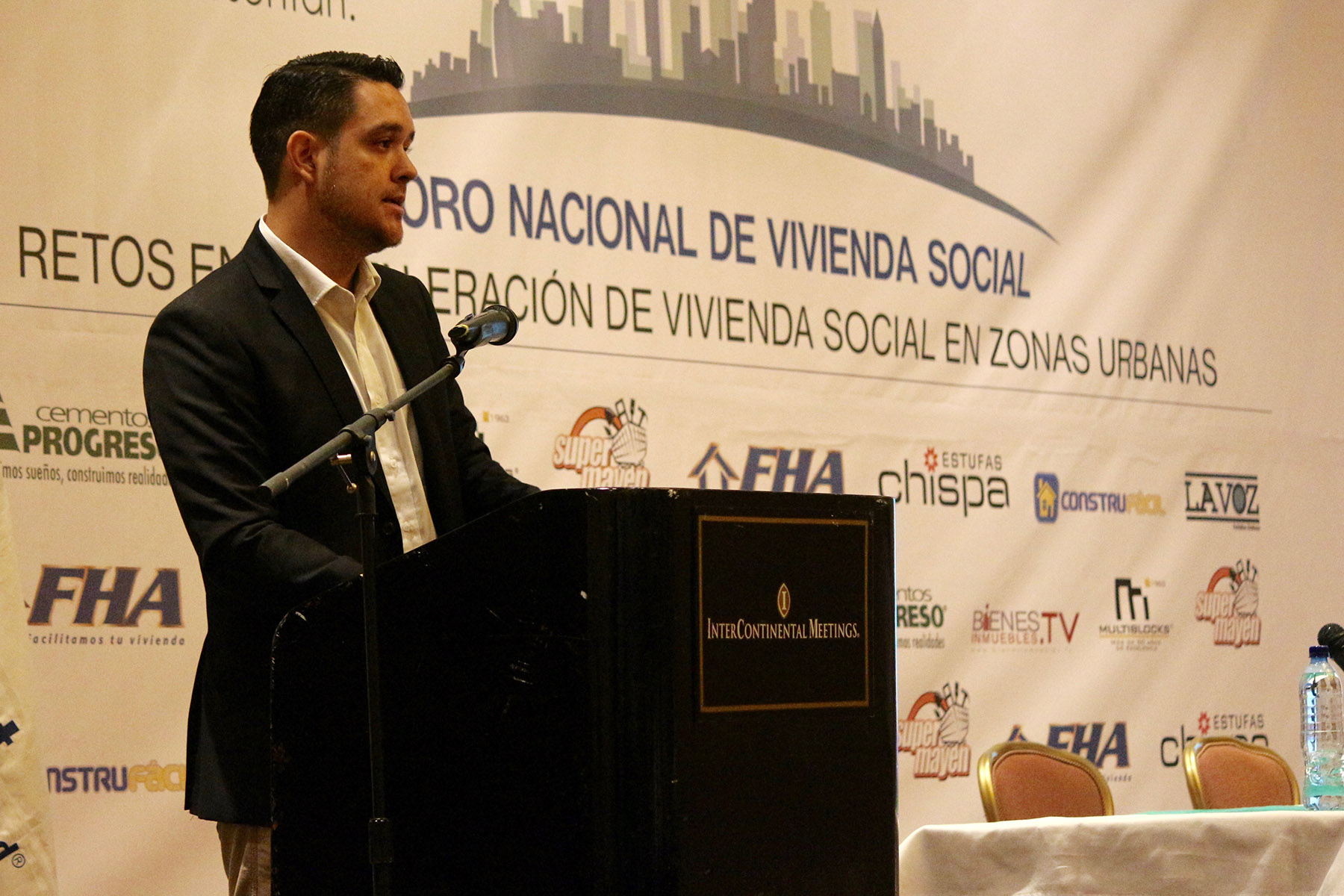
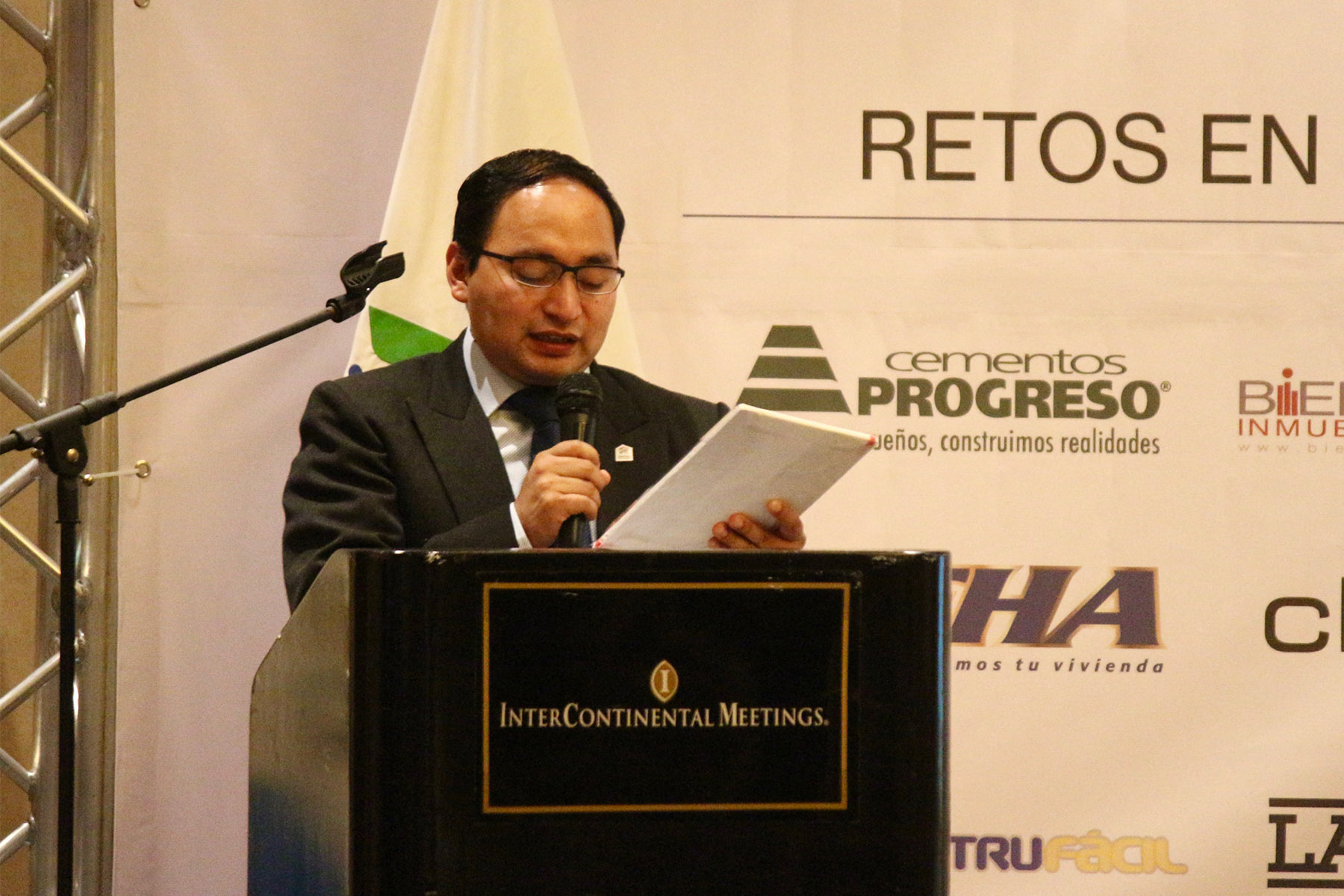
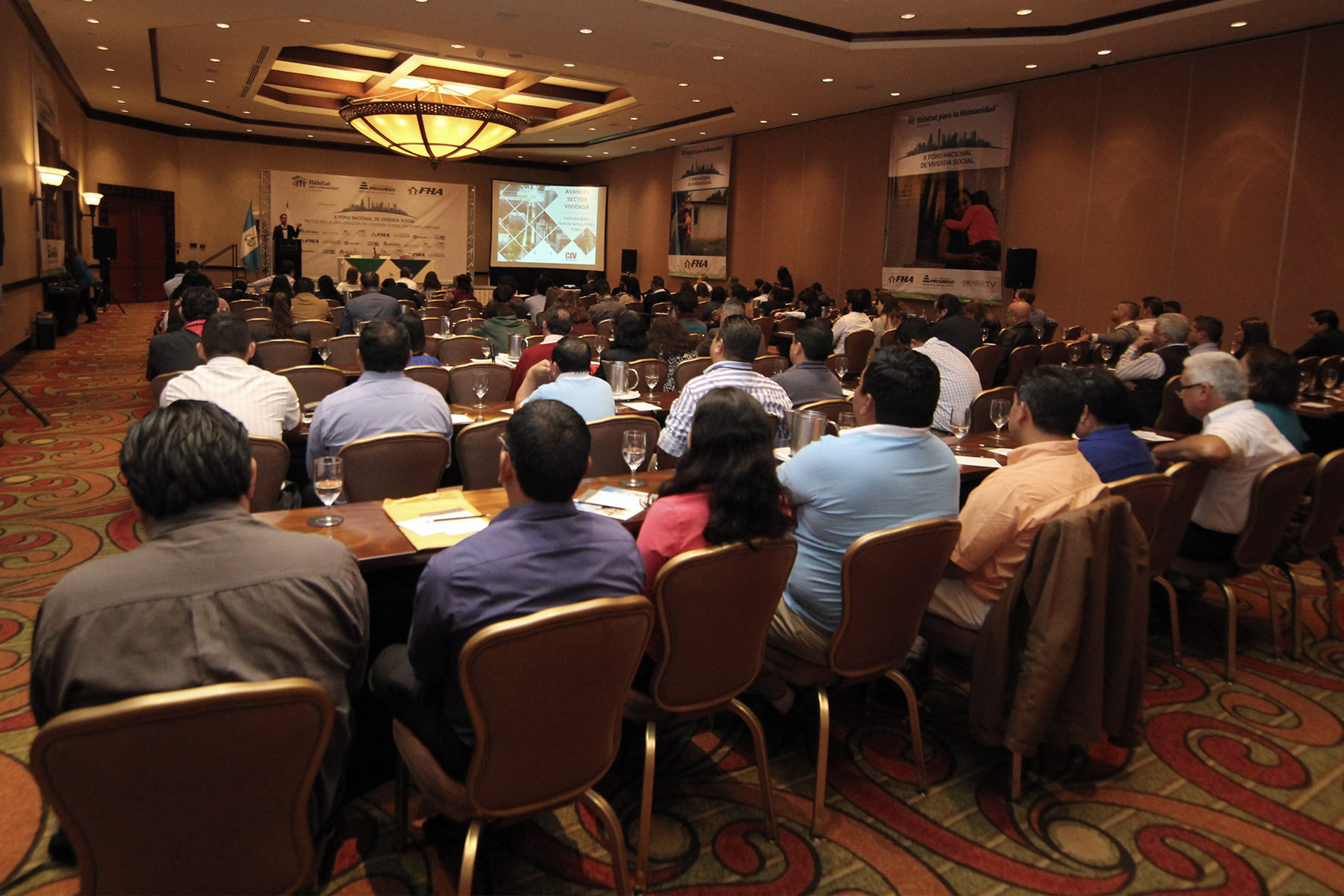
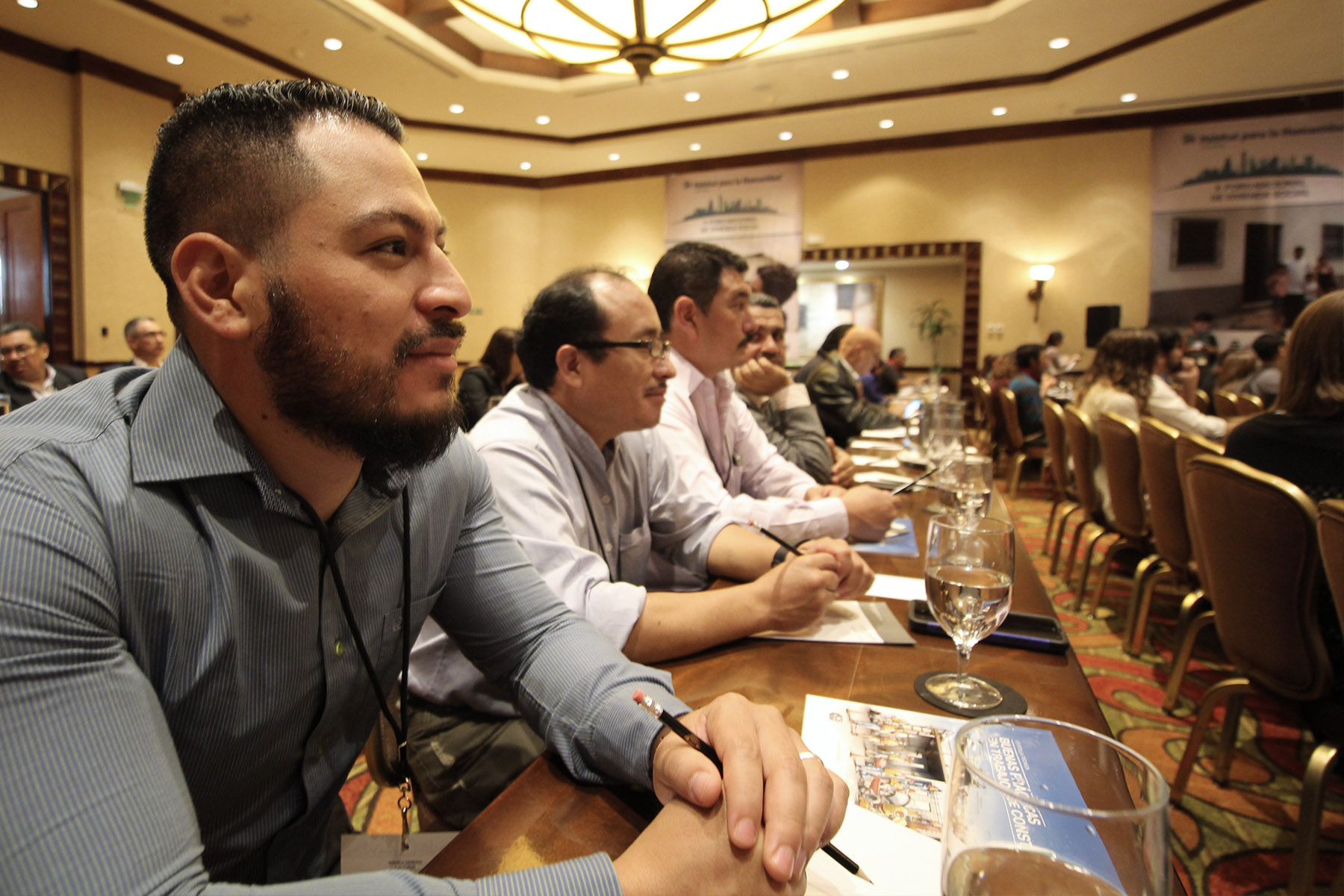
X Foro Nacional de Vivienda Social 2017

Retos en la Generación de Vivienda Social en Zonas Urbanas
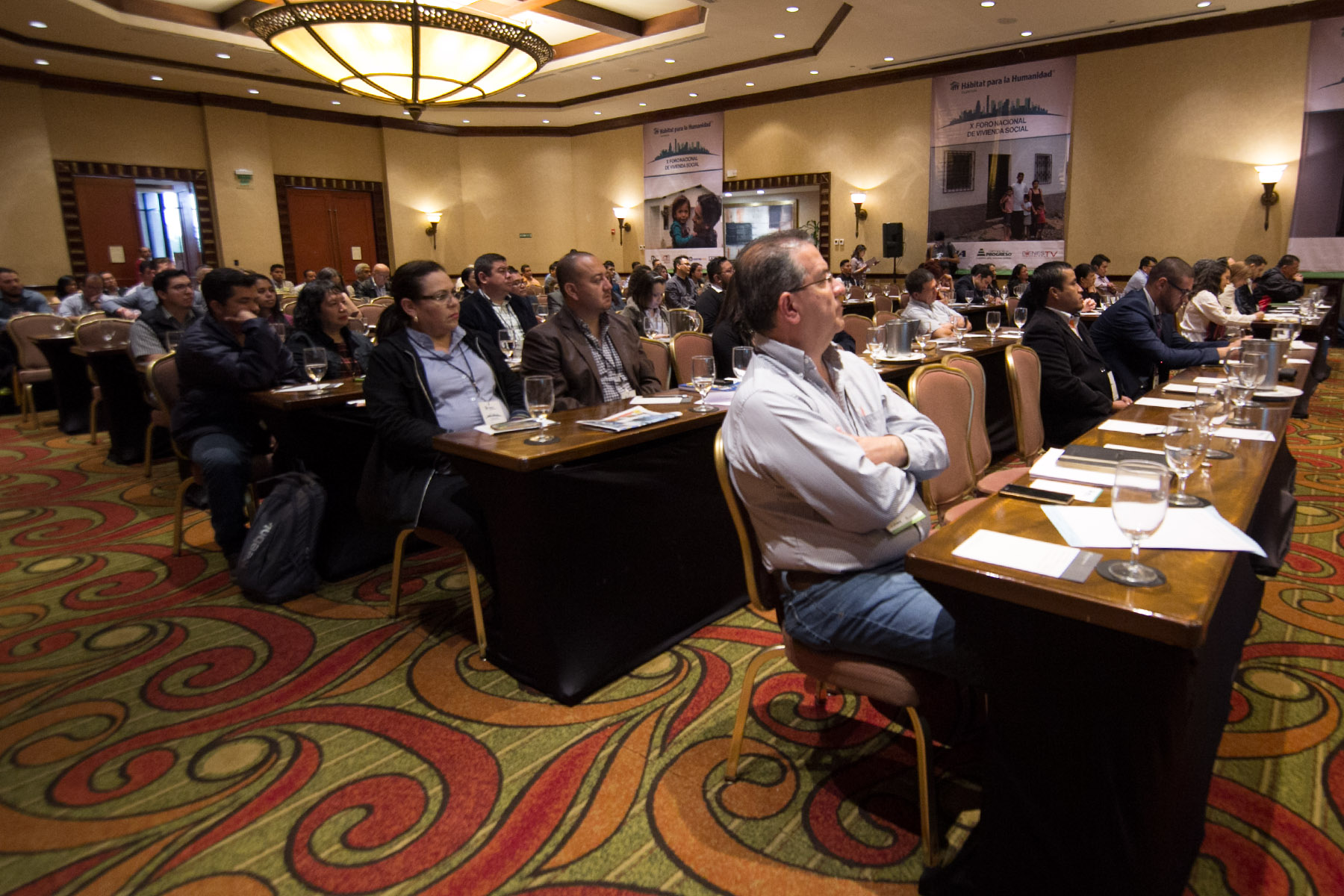
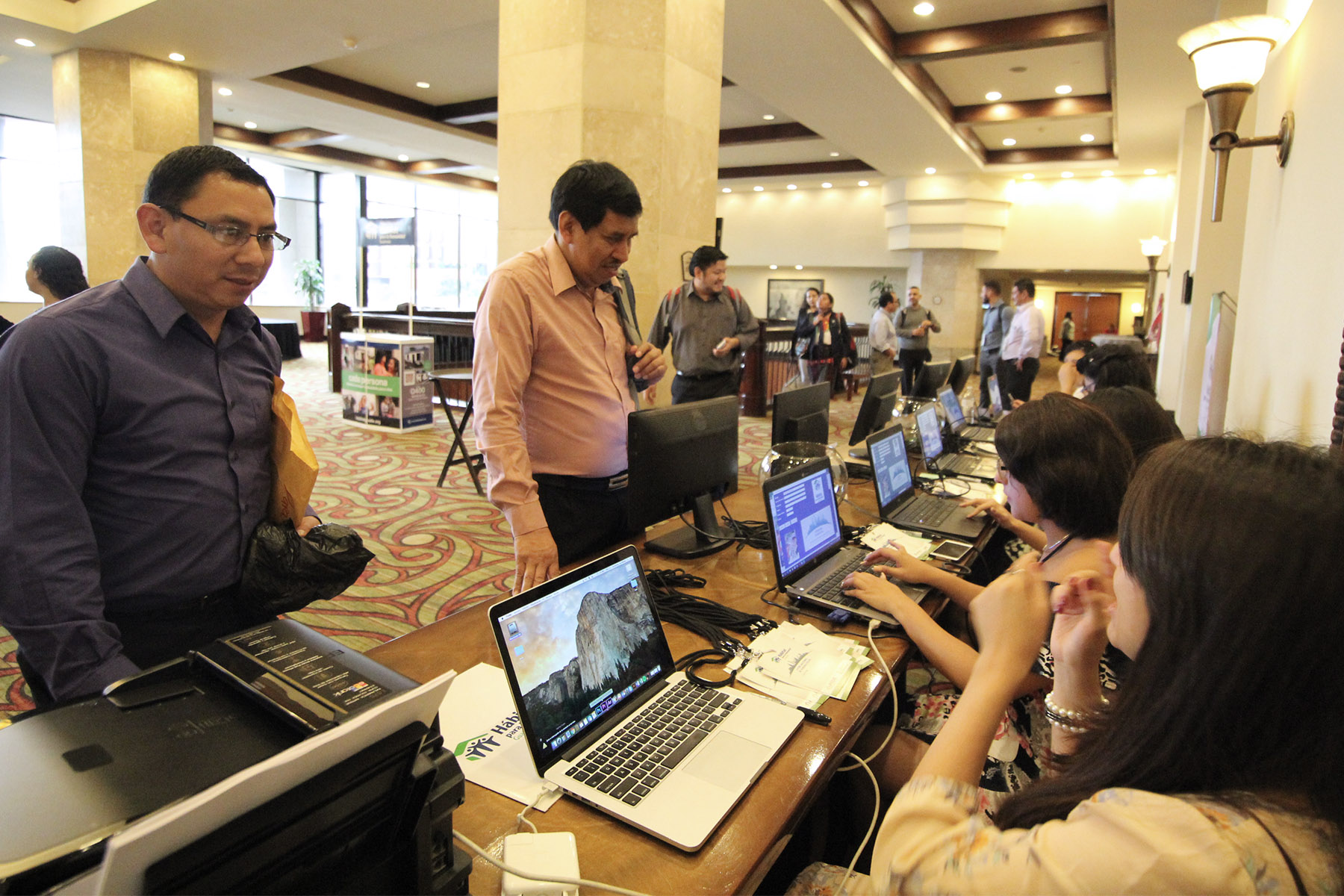
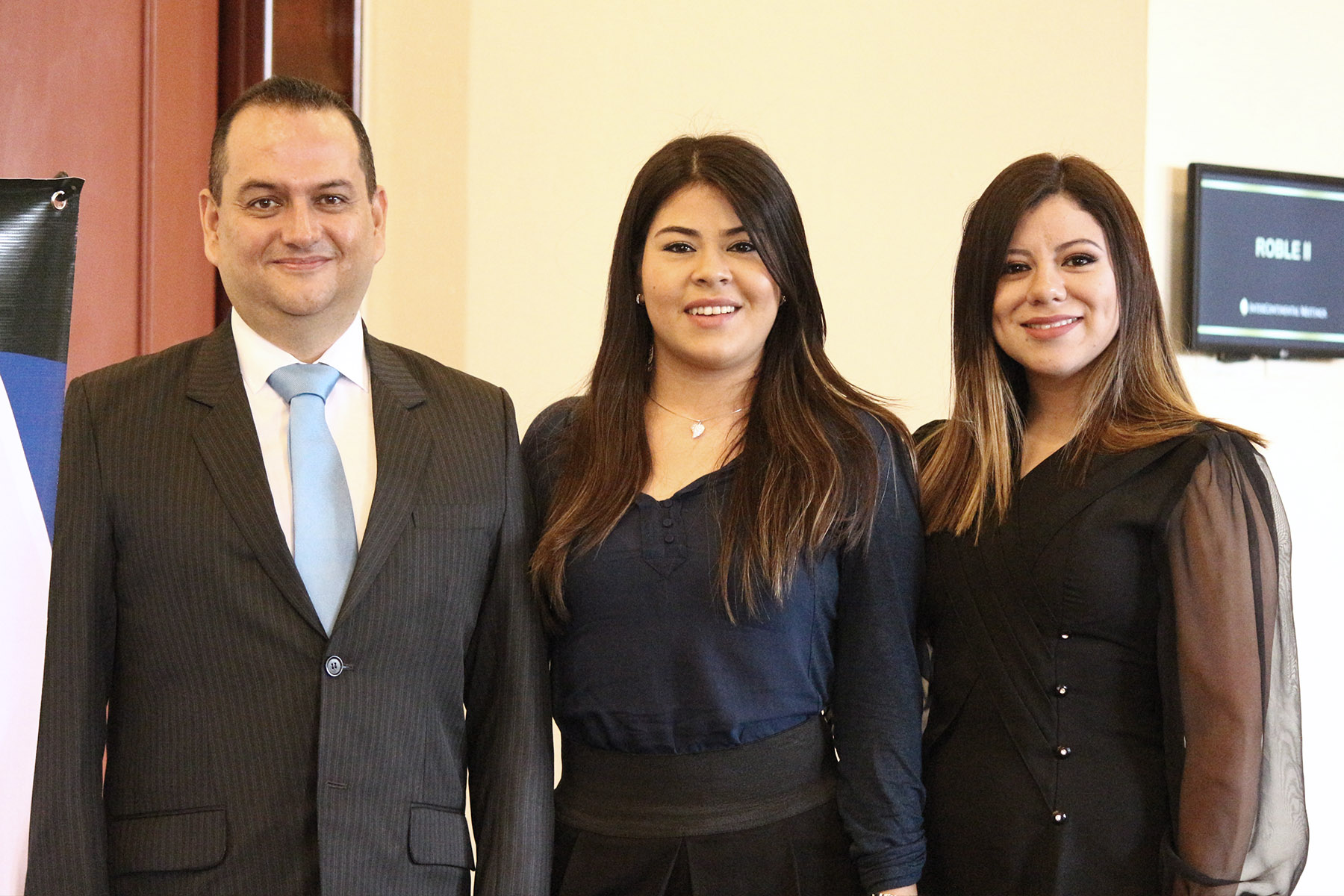
Cada primer lunes de octubre se celebra  el Día Mundial de Hábitat el cual conmemoramos  con un espacio para la reflexión y diálogo sobre la problemática de la vivienda. Este año cumplimos 10 años de realizar el Foro Nacional de Vivienda Social en esta ocasión el tema principal “Retos en la Generación de Vivienda Social en Zonas Urbanas», contando más de 135 participantes representantes de  distintas instituciones, empresas privadas, organizaciones no lucrativas, universidades, cuerpo diplomático y sociedad civil en general.

Ha sido un espacio enriquecedor y parte de un proceso en que hemos venido trabajando para encontrar algunas respuestas a los retos para el desarrollo de las comunidades de nuestro país, estamos contentos de haber contado con el apoyo de nuestras empresas aliadas y expertos en el tema con aportes que benefician e impulsan el desarrollo de nuestro país.

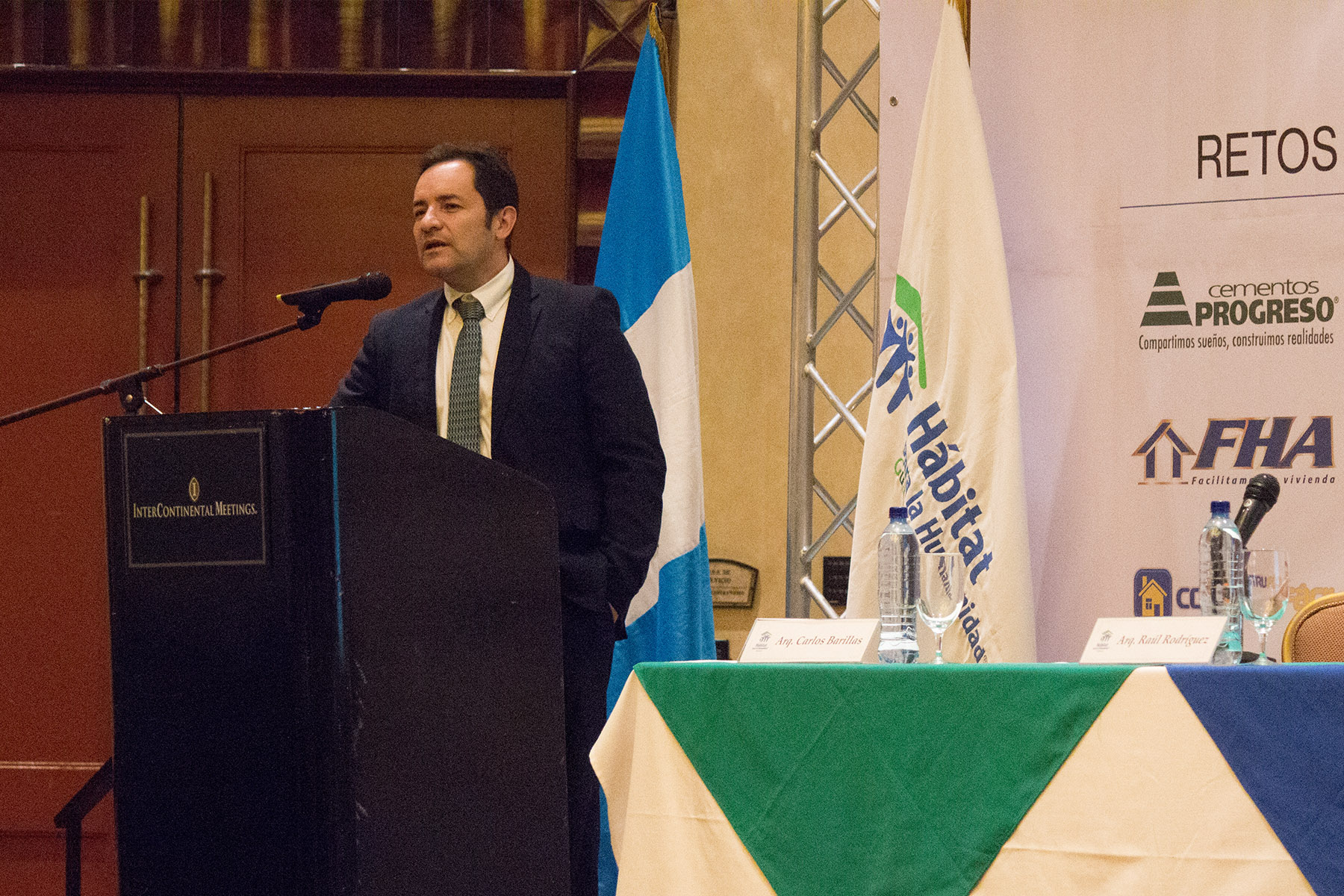
Se contó con las disertaciones de diversos expertos nacionales e internacionales:

  • Política de Vivienda – Vice Ministro de Vivienda -CIV, Arquitecto Carlos Barillas.
  • Módulos Urbanos de vivienda Social – Arquitecto Raúl Rodríguez.
  • La complejidad de la Copropiedad en Guatemala, una asignatura pendiente una solución a la vista – Licenciado Roberto Morales.
  • Sistema de Información Territorial para Vivienda – Ingeniero Jean-Roch Lebeau.


El resultado obtenido de los temas en discusión durante el foro son los siguientes:

  • Plataforma para darle solución a los retos como, la formulación de planes supramunicipales y acompañamiento al diseño e implementación de instrumentos de gestión territorial para gobiernos locales.
  • Ejecución de Proyectos de Mejoramiento Integral de Barrios, viviendas de reubicación y escrituración para casos de calamidad, así como análisis de posibles beneficiarios, otorgamiento de subsidios directos e indirectos, gestión de fideicomisos y fondos específicos, también adjudicación, readjudicación y escrituración de viviendas derivadas de liquidación del BANVI, y procesos de ocupación de bienes del Estado.
  • Para las familias, viviendas económicamente accesibles y de alta calidad, dentro de los centros urbanos, con ubicaciones que les permiten el acceso a los servicios e infraestructura urbana existente (trabajo, servicios, transporte, educación, etc).
  • Para las Municipalidades, herramienta de renovación urbana, que hace eficiente la prestación de servicios, los cuales no requieren inversión de capital.
  • La implementación de un sistema sólido, que permita el análisis y despliegue de información actualizada, vital para la generación de los instrumentos enmarcados en las nuevas políticas de desarrollo urbano y vivienda, así como las políticas de mejoramiento integral de barrios y la de gestión integral de riesgo, encaminadas a la reducción de la precariedad, la vulnerabilidad y la pobreza.
  • Con el Sistema Nacional de Información de Vivienda, información como base para la toma de decisiones, la rendición de cuentas, el intercambio de datos y la transparencia, son pilares fundamentales para la formulación de políticas públicas, focalizadas sectorial y territorialmente.
  • Generar a largo plazo un espacio donde tanto sector público como sector privado podamos compartir bases de datos que apoyen al encuentro de la demanda y la oferta, con el objetivo de promover la accesibilidad a vivienda, con especial énfasis en aquella de interés social.


Lograr beneficios directos y tangibles para los ciudadanos ha sido el objetivo principal. Nuestro trabajo como organización es que una familia tenga acceso a una vivienda propia, con la cual mejore su calidad de vida y por lo tanto su salud, de esta forma brindamos la base para lograr un futuro para crecer de forma integral, lo cual es de beneficio para toda la población.


En el siguiente enlace encontrarán el material de cada ponencia: https://habitatguate-my.sharepoint.com/personal/involucrate_habitatguate_org/_layouts/15/guestaccess.aspx?folderid=1695786a7c67b4a5583c517f40cea5f2c&authkey=ASlC7Nkb40pZLPk2X69RxPo

Agradecemos la participación de todos los asistentes y el apoyo de cada uno de nuestros patrocinadores.

Cementos Progreso, Multiblocks, FHA, Super Mayen, Estufa Chispa, Constru Fácil, Bienes Inmuebles. TV y

    Periódico La Voz.

Desde 1979, construimos viviendas, comunidades y esperanza.